
Volkswagen Group to halve its model range and wants to close factories in Germany
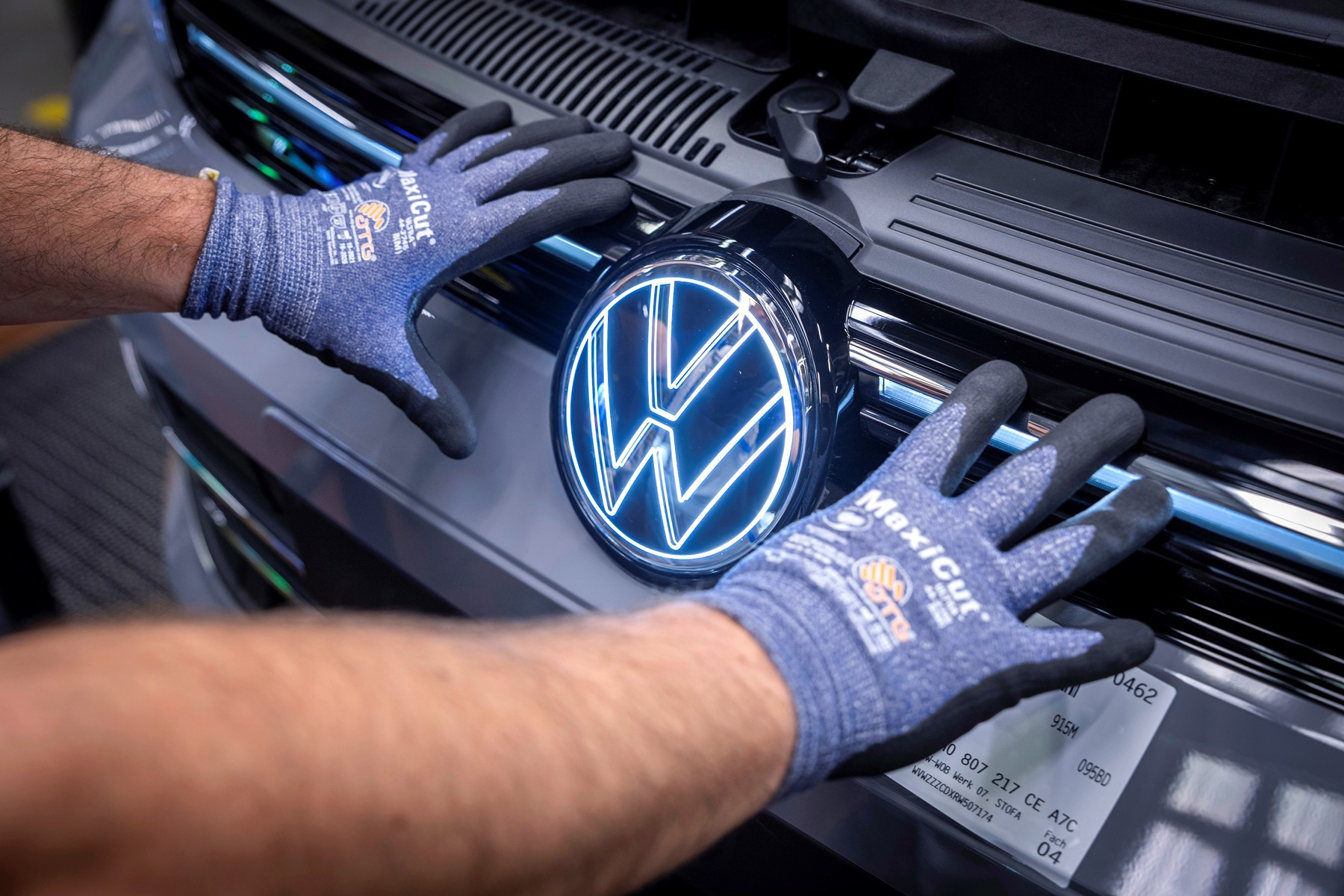
The position of the German automotive giant continues to deteriorate, and emergency and fairly radical measures are needed to save it, but these are meeting resistance from the trade unions and major shareholders of the group.
This week, Volkswagen Group published its sales figures for the first half of 2026: they fell by 6.3% to 4,125,700 vehicles. The biggest decline was recorded in China, where sales slumped by as much as 25.9% to 973,000 vehicles.
Also this week, the board of management of Volkswagen Group, led by Oliver Blume, presented a new crisis plan to the supervisory board for consideration, providing for far more extensive cuts than those set out in the previous plan.
The previous plan, 'Zukunft Volkswagen', was published at the end of 2024 and represented a compromise deal with the trade unions, providing for the reduction of 35,000 jobs without closing any plants. At present, this plan is no longer relevant — the measures announced are insufficient to keep Volkswagen Group afloat.
Rumours about a new crisis plan for Volkswagen Group have been circulating in the Western media over the past couple of months, and yesterday this plan was officially presented. The new plan is surprising in that it contains very little in the way of specifics. Among the more or less clear measures, there is an intention to reduce the group's production capacity from the current 10 million to 9 million cars per year, and to cut the model range by 50% — while the number of available model variants and trim levels is to be reduced by as much as 75%. Which specific models are earmarked for the chop is not yet known. According to rumours, the outdated and poorly selling models from the Chinese line-up will be the first to go under the knife.
The new plan also proposes eliminating overlapping structures within the group, disposing of assets that are non-core to the automotive business, and making extensive use of artificial intelligence to improve productivity and speed up the development of new models.
The new plan contains no specific proposals on how many workers will have to be made redundant or how many plants will be closed, although as recently as last month, informed sources reported that up to 100,000 people could lose their jobs, and that plants in Hanover, Neckarsulm, Zwickau and Emden in Germany are under threat of closure. These rumours prompted a protest action organised by the IG Metall trade union at Volkswagen Group's headquarters in Wolfsburg, but it was more for show. The real problems for the group could come from mass strikes, like those we saw in 2024 before the publication of the 'Zukunft Volkswagen' plan.
The most interesting thing is that the new crisis plan proposed by the board of management was ultimately not approved by the supervisory board, which includes representatives of the trade unions and key owners, among them the government of Lower Saxony, which supports the trade unions. According to Reuters, 12 members of the board voted against the plan, while only 7 supported it. One of the reasons for the rejection is likely that the document is too framework-based and does not contain many of the painful details. The group's leadership, it seems, is deliberately avoiding prematurely disclosing the harshest measures, as this could trigger a new wave of protests and paralyse the work of its European plants.
The supervisory board has been raising the alarm since spring and has stated outright that without radical changes to the business model, the Volkswagen group faces catastrophe, so board members expect a more concrete and convincing crisis plan from the management. You cannot help but feel sorry for Oliver Blume and the other directors: they are caught in a pincer movement between EU legislation with its imposition of the green agenda and the contradictory demands of the owners.
Auto Motor und Sport magazine reports that the plant in Osnabrück (Germany), where car production is due to cease in 2027, was planned to be sold to the Israeli defence company Rafael for the production of components for the 'Iron Dome' air defence system, but the deal was blocked by the government of Qatar, which also owns a large stake in Volkswagen Group and is represented on the supervisory board through its sovereign wealth fund. Thus, the future of the Osnabrück plant is once again up in the air. The same can be said for the entire Volkswagen group. We continue to watch developments with concern.
Comments
0 comments