
Volkswagen: one day, the internal combustion engine will be as outdated as the horse
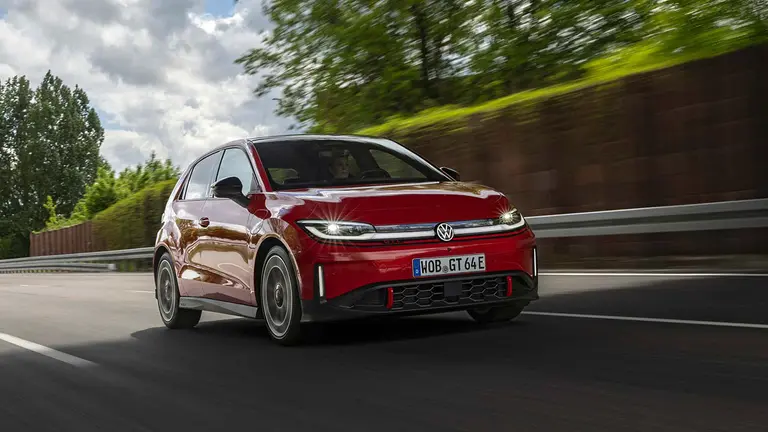
Volkswagen has said that one day, internal combustion engine cars will become as obsolete a mode of transport as the horse, and will eventually disappear, leaving only a handful behind. But for that to happen, there are still challenges that need to be addressed.
The European Union's decision to delay the ban on the sale of new internal combustion engine cars has, for now, allowed European companies to breathe a sigh of relief. However, this does not mean the situation has improved. Stringent environmental regulations remain in place, and current internal combustion engine technology struggles to meet them. Therefore, the ban has merely been postponed; the reality is that, eventually, the development and production of internal combustion engines will have to be abandoned.
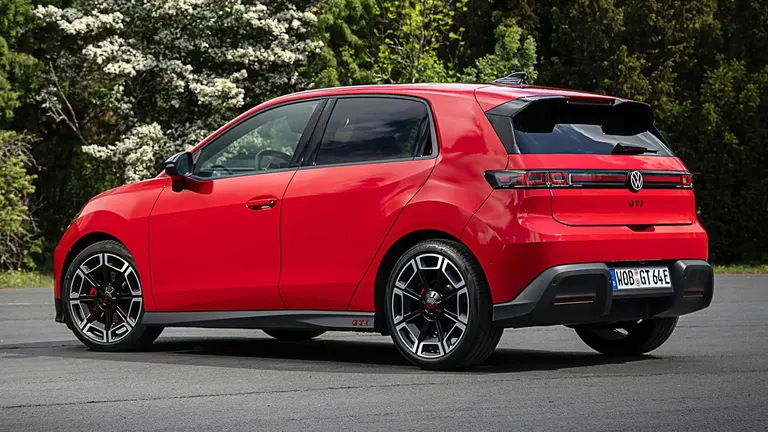
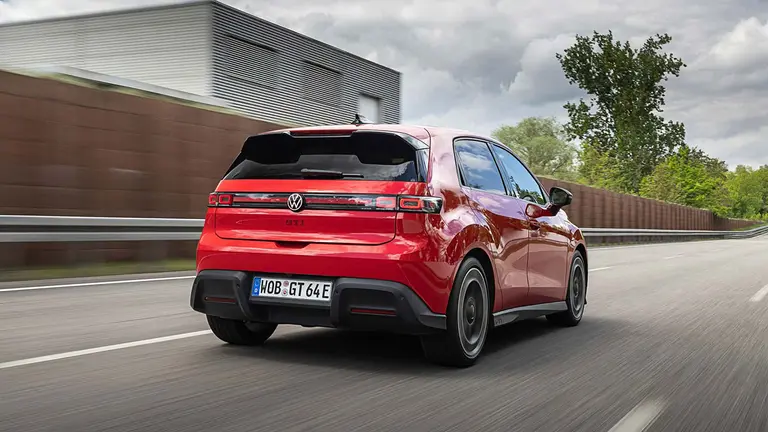
The market is indeed changing. Over 20% of newly registered cars are now electric vehicles (EVs). It's just that the pace of market growth has slowed compared to the early days. Amidst this, Volkswagen recently made a significant statement. According to them, to put it bluntly, the internal combustion engine will one day become as outdated a mode of transport as the horse. Indeed, a Volkswagen official referenced how cars replaced horses, emphasising that electric vehicles will become the core of future transport.
He particularly noted that, regardless of current sales bans, the market will naturally shift from internal combustion engines to electric vehicles based on market dynamics. Of course, this remark is also a form of criticism against the legislation banning internal combustion engines. The argument is that if aspects directly impacting customers' daily lives, such as convenience and practicality, are emphasised, the market will move naturally without the need for coercion.
To achieve this, he argued that improvements should be made elsewhere first, such as enhancing charging infrastructure and increasing electricity generation efficiency, rather than pressuring companies with mandatory legislation. In a way, his point is valid. If charging were cheaper than it is now and available everywhere without worry, EV adoption rates would certainly increase. However, this has been the argument since the early days of EV adoption, and in most countries, the rollout of charging infrastructure has already progressed significantly. Furthermore, charging costs are generally lower than those for internal combustion engines, except in a few countries.
So, if you can charge almost anywhere, at a still somewhat lower cost, and with cheaper maintenance, why isn't the adoption rate as steep as before? The reason is simple. We can find the answer by looking again at why the shift from horses to cars happened so rapidly.
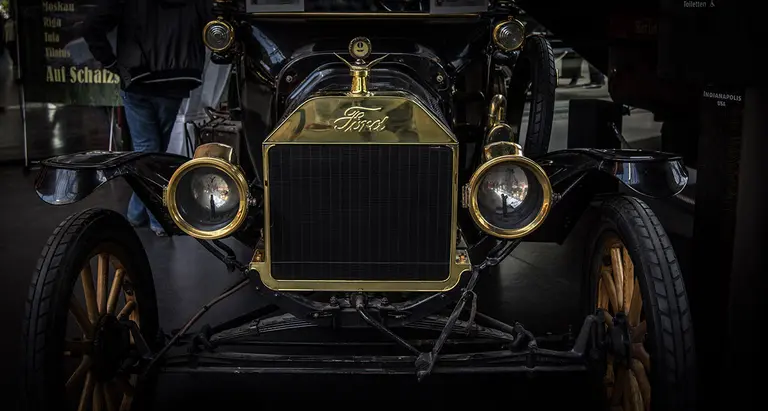
To put it in a nutshell, the fundamental reason for the shift from horses to cars was that the cost of a car plus its maintenance eventually became cheaper than keeping a horse. When the Model T first launched, it cost around $800. At the time, a working horse cost between $180 and $190. So, you could buy several horses for the price of one Ford Model T.
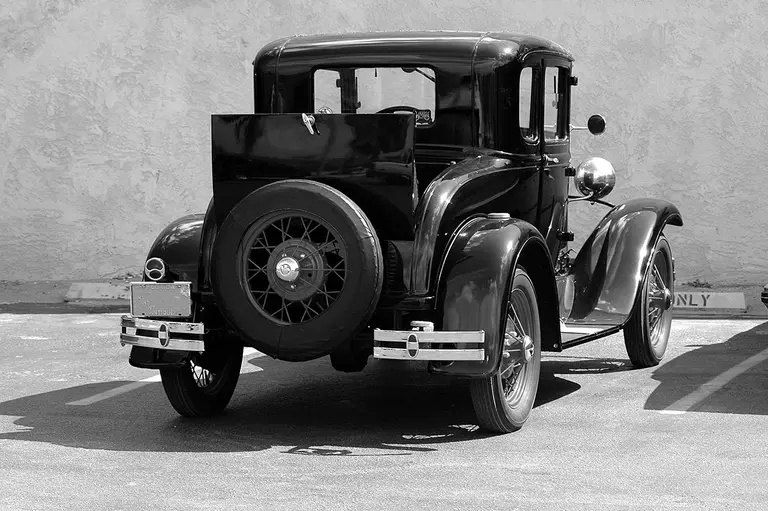
But things changed as the Industrial Revolution took hold in the 1920s. By then, the Model T cost around $200, while a horse still cost between $180 and $190. As petrol prices began to fall, horses could no longer compete with cars in terms of maintenance. Of course, the fact that cars could do more work, faster and with greater power, also played a part.
The key factor, ultimately, is economics. The fundamental force driving the market is also economic. People have always sought the most rational choice, and behind that choice, there has always been economics, or money, or price. The current situation is no different. If electric cars become as cheap as, or cheaper than, internal combustion engine cars, people would buy them even if you told them not to.
But what is the situation now? Even with subsidies, electric cars are still a difficult purchase to justify. Moreover, they don't offer the stark contrast that existed between horses and cars. While they may have some advantages in terms of maintenance, the difference isn't as dramatic as the difference between keeping a horse and running a car.
Therefore, for the internal combustion engine to become like the horse, as Volkswagen claims, the price of electric cars needs to fall further. However, the crucial point is that, unlike during the Industrial Revolution, the factors driving down prices are not solely about production innovation. The problem is that battery prices show no sign of falling. Furthermore, this is not a factor that car companies can control.
Moreover, energy is too complex a resource to be discussed solely in terms of economics. For instance, oil remains at the heart of the power dynamics that influence the international community. Also, in an era where securing electricity is urgent due to the AI arms race, technological innovation to reduce battery prices and charging costs is inevitably pushed down the priority list.
Therefore, in a sense, Volkswagen's claim might be describing an ideal. While I fully agree with the prediction that electric cars will eventually displace internal combustion engines and become the market mainstream, we still have many challenges to overcome before we can grasp that key.


Comments
0 comments