
BMW to cut 8,000 'non-value-adding' employees in Germany
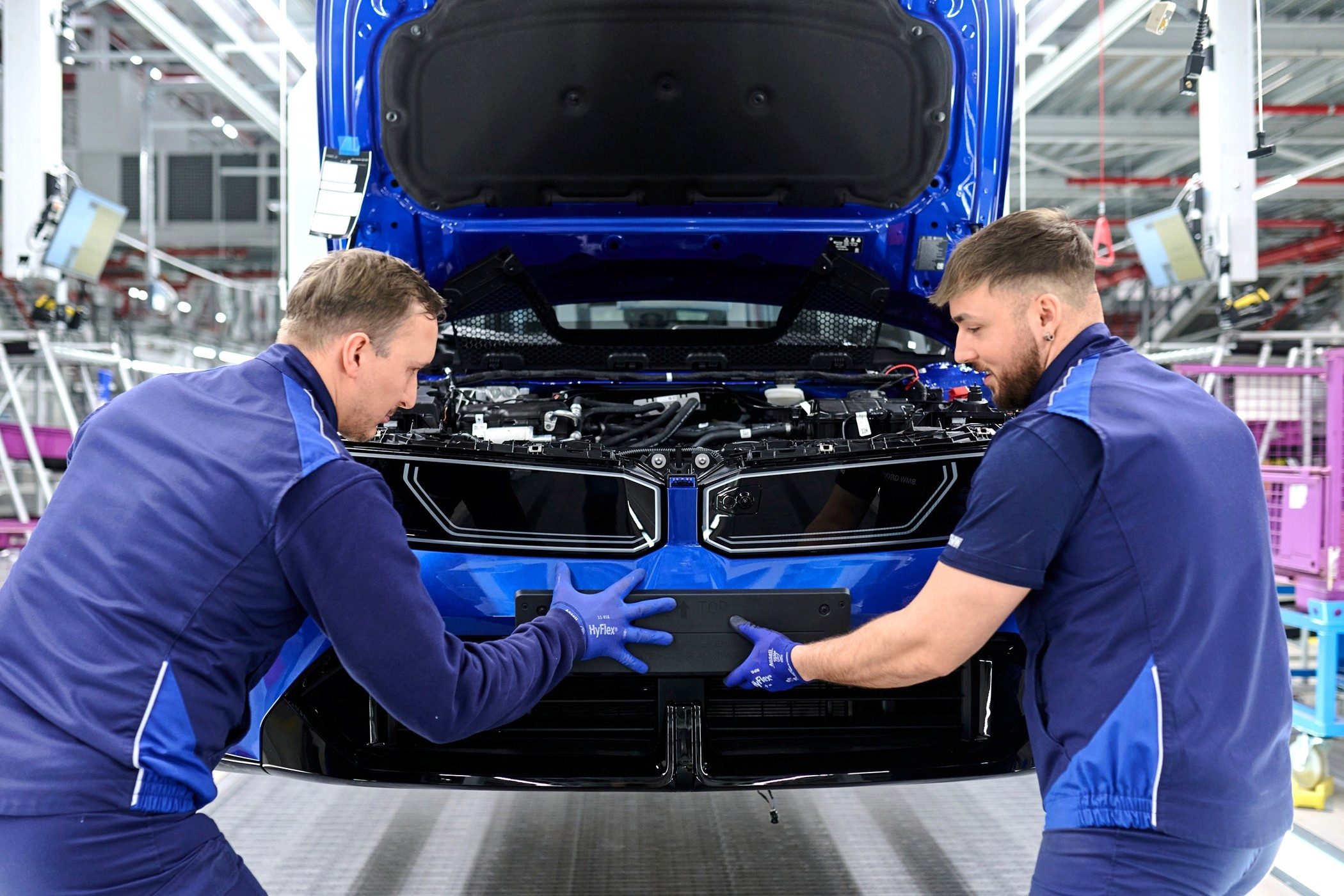
The BMW Group is being forced to respond to objective difficulties in order to avoid sliding into a full-blown crisis: the company has agreed with its works council on a voluntary redundancy programme for around 8,000 employees in Germany. This programme will be implemented by the end of 2027 and will mainly affect the non-production sector, meaning office staff and support personnel will be the ones facing redundancy.
Last month, the BMW Group announced that it had downgraded its profit forecast for 2026 due to the military conflict in the Middle East and a sharp decline in sales in China. At the same time, the new CEO of the BMW Group, Milan Nedeljković, who took up the post in May, announced that the company would have to significantly cut costs, and today it has become clear where those cuts will begin.
According to the Süddeutsche Zeitung, citing its sources within the BMW Group, a voluntary redundancy programme for around 8,000 employees working in Germany was approved today at the company's headquarters in Munich. In total, BMW employs around 150,000 people worldwide, of whom 84,000 are based in Germany. A generous severance package will be offered to forty thousand employees in Germany, and among them the sought-after 8,000 are sure to be found — for example, those who are close to retirement or who would simply like to take a break and change their line of work.
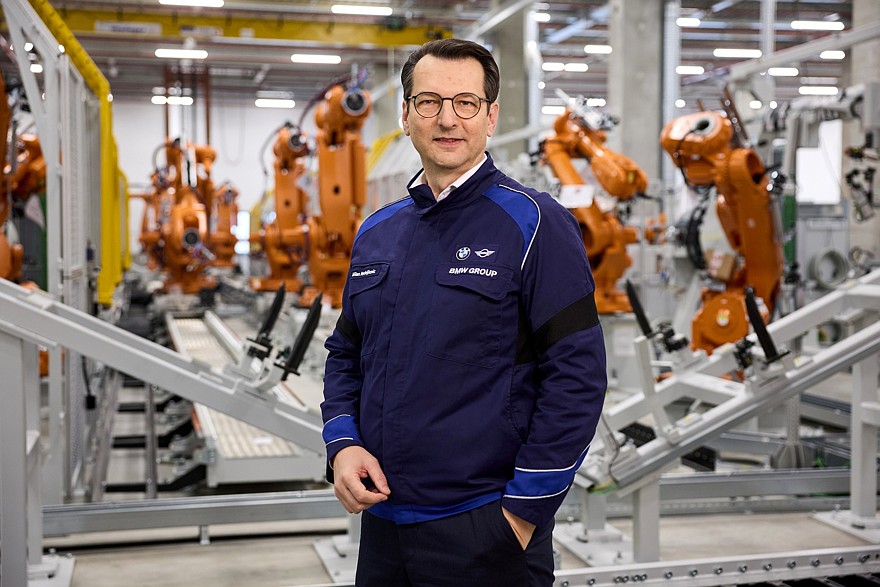
As an experienced production specialist, Nedeljković will barely touch the factory workers — the redundancy programme is mainly aimed at office staff and divisions that "do not create value". In short, the bureaucratic apparatus will be trimmed, which is probably the right move — Nedeljković knows best.
The redundancies at the BMW Group are yet another blow to German industry, which has found itself uncompetitive in today's world of instability and the need to respond quickly to new challenges. High taxes, high social costs, expensive energy and the inability of state officials to make decisions quickly are forcing companies to literally flee Germany. Where to? To Spain, for example, where wages are lower, energy is cheaper, and the authorities work with businesses more quickly and flexibly.
The Volkswagen Group is currently in the throes of a severe crisis and has so far been unable to agree its new anti-crisis programme with its supervisory board, which envisages the redundancy of around 100,000 employees and the closure of several plants in Germany. Porsche, which is part of the Volkswagen Group, has nevertheless managed to agree a new wave of redundancies, affecting 5,000 employees.
Returning to the BMW Group, let us look at the company's sales in the first half of 2026. The BMW Group Automotive division, which includes the BMW, Mini and Rolls-Royce brands, sold 1,156,742 vehicles, a decrease of 4.2% compared with January to June 2025. Specifically for the BMW brand, sales fell by 6.2% to 1,004,681 vehicles. Combined sales of the BMW and Mini brands in China fell by 20.4% to 261,773 vehicles. The BMW Group's total electric vehicle sales fell by 7.4% to 204,295 units, but the company insists that the new BMW iX3 and BMW i3 have been very warmly received by the market, so growth in electric vehicle sales can be expected in the second half of the year.
Comments
7 commentsThe proxy service functions as an type of intermediary between a user and online resources.
If you connect using a proxy, your traffic travel to the server at first, and after that the service relays them to the destination in your place.
<a href="https://webvpn.org/encryption/turn-on-end-to-end-encryption/">Turn on E2EE</a>
Such a setup can mask your IP address, overcome location-based limits, and enhance security.
That said, some proxy servers are not secure, so it is crucial pick a reliable provider.
A proxy gateway acts as an type of intermediary connecting a client and online resources.
Whenever someone connects via this service, the requests are sent to the server initially, and then the service forwards them toward the final recipient in your place.
<a href="https://webvpn.org/anonymity/">39 articles Anonymity guides Tor, I2P, Tails and Whonix, anonymous email and numbers, fingerprinting, private search. Create an anonymous email Send an anonymous email Anonymous email in Gmail Anonymous email providers Browse anonymity articles</a>
This approach may conceal the user's IP, bypass regional blocks, and improve security.
Still, many proxies can be not secure, so it is crucial pick a reliable vendor.
На нашем портале есть возможность почерпнуть массу познавательных данных.
Здесь представлены многочисленные исследования на интересные вопросы.
Каждый пользователь сумеет почерпнуть немало полезного и пополнить свой кругозор.
Материалы постоянно обновляются, дабы посетители неизменно имели доступ к наиболее новейшей ба
En este recurso, quienes accedan podrán obtener financiamiento de forma digital.
La plataforma proporciona modalidades de préstamo flexibles que responden a las urgencias de cada usuario.
https://github.com/foulegold/media/blob/main/estres-financiero-fuentes-ingresos-alternativas.md
La solicitud es rápido y se lleva a cabo de forma completamente virtual, sin necesidad de trámites complicados.
Asimismo, el portal procura brindar un servicio rápido así como seguro a sus usuarios.
A través de este sitio, quienes accedan pueden recibir financiamiento rápidamente.
La plataforma ofrece opciones de crédito adaptables que responden a las necesidades de cada usuario.
<a href="https://github.com/foulegold/media/blob/main/estres-financiero-fuentes-ingresos-alternativas.md">MobCash</a>
El proceso suele ser rápido y se lleva a cabo de forma completamente digital, sin papeleo presenciales.
Asimismo, la plataforma procura ofrecer una experiencia eficiente así como de confianza a quienes lo utilizan.
Утепление выполняет ключевую функцию в сохранении комфортной температуры внутри дома.
Надёжная изоляция позволяет заметно уменьшить расходы на отопление и охлаждение помещений.
https://center-nlp.ru/nlp-news/102-istoriya-razvitiya-kauchukovoy-izolyatsii-ot-pervykh-ekspertov-do-sovremennykh-tekhnologiy/
Более того, изоляция защищает от появление сырости, грибка и промерзания стен.
В итоге, правильная теплоизоляция гарантирует э&#
Утепление выполняет ключевую роль в поддержании тепла внутри дома.
Эффективная защита даёт возможность заметно уменьшить расходы на обогрев и охлаждение помещений.
https://corch333.ru/auto-sport/615-primenenie-mbo-v-promyshlennom-stroitelstve-keysy-i-rekomendatsii/
Более того, теплоизоляция защищает от возникновение влаги, грибка и разрушения конструкций.
Следовательно, качественная изоляция гарантирует э