
Volvo is preparing a new model with the index EX50 — most likely, a mid-size estate.
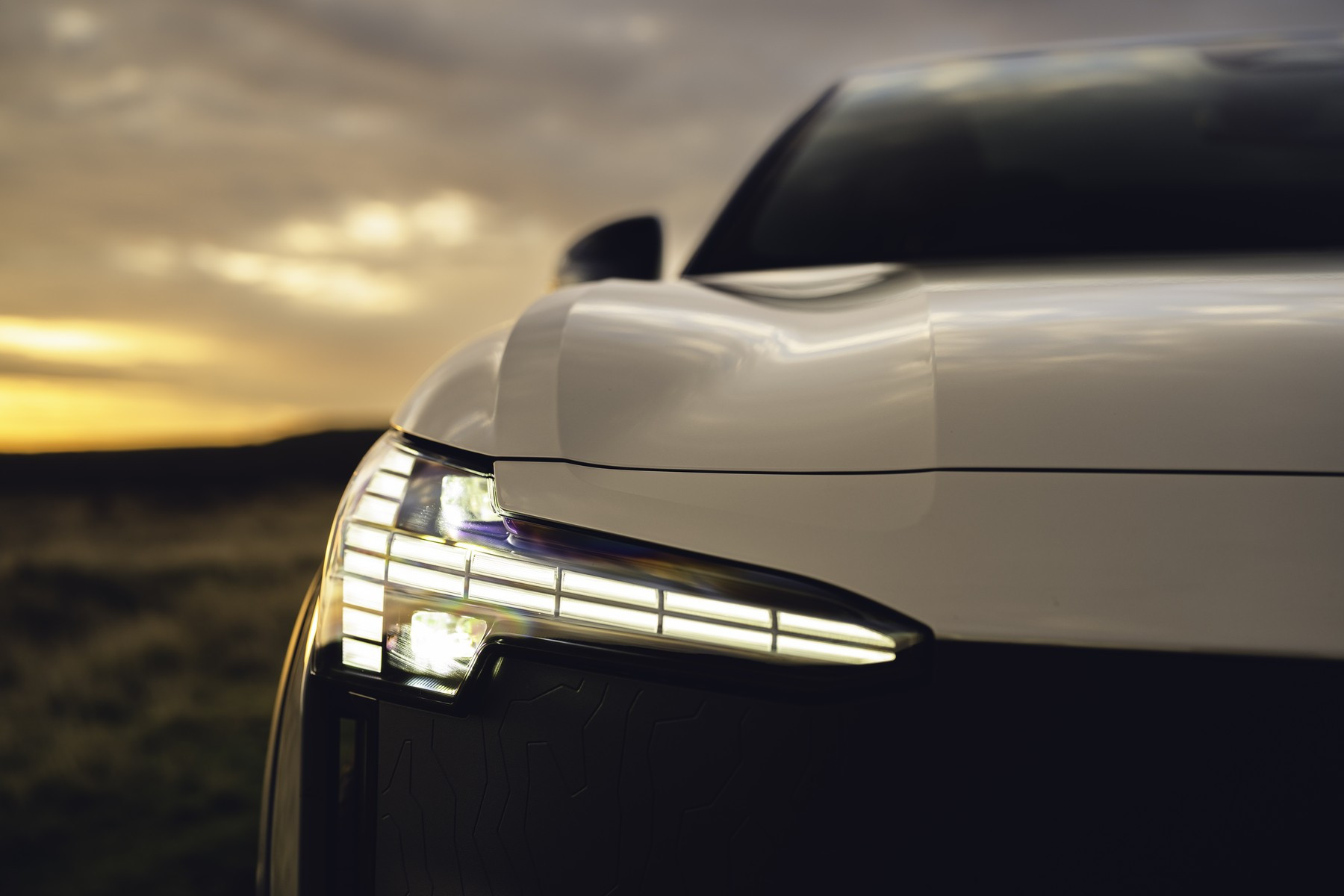
Volvo Cars is aiming to strengthen its position in the European market, and to that end is preparing a new model with the index EX50, an application for which recently appeared on the website of the European Union Intellectual Property Office (EUIPO).
We reported last week that a new estate car could be joining the Volvo model line-up, but that was still unofficial information at the time. However, the EX50 index, discovered in the EUIPO electronic database, indirectly confirms this information.
At present, the Volvo model range consists mainly of SUVs, with only two traditional passenger cars remaining — the ageing fuel-powered mid-size estate, the second-generation Volvo V60, and the rather unpopular flagship electric liftback, the Volvo ES90. An electric estate or cross-estate could slot into the model range between the compact SUV Volvo EX40 and the mid-size SUV Volvo EX60, and in terms of platform it will most likely be unified with the Volvo EX60.
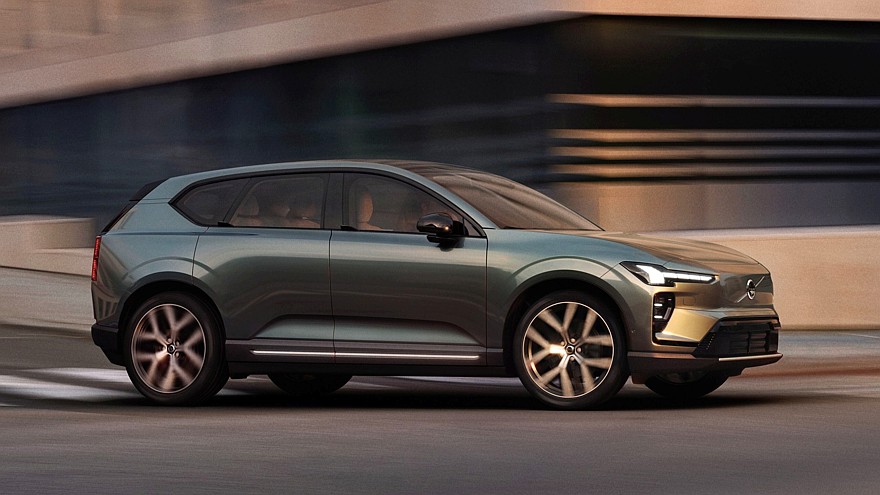
The Volvo EX60 made its debut at the beginning of this year, based on the latest electric vehicle platform SPA3 with an 800-volt architecture — a platform officially described as key for upcoming new Volvo models. Introducing an estate on this platform seems a perfectly sensible move, given that this body style remains highly sought after in Europe, and Polestar, which split from Volvo Cars in 2017, will begin sales of its mid-size cross-estate, the Polestar 4 SUV, in September.
As it happens, Volvo and Polestar now compete with one another, and for both companies the European market is key. For Polestar, Europe has arguably become its only significant market, since Polestar sales in China were halted last year due to weak demand, and this year the company was effectively forced out of the United States because of its Chinese roots.
Volvo, despite being, like Polestar, under the control of the Chinese conglomerate Geely, has not yet been banned from operating in the US, and in the second quarter of this year it even managed to grow its US sales by 4% to 42,360 cars, although only 4,125 of those were electric vehicles (-38% compared with second-quarter 2025 sales), whereas Volvo considers itself a predominantly electric vehicle company. Responding to this trend, Volvo is preparing new hybrid models with the US market specifically in mind, though these will also be in demand in Europe.
Volvo sales in Europe in the second quarter rose by 2% to 104,259 cars, of which 38,115 were electric vehicles (up 25% compared with second-quarter 2025 sales). In so-called Greater China (which includes Hong Kong, Macao and Taiwan), Volvo sales in the second quarter fell by as much as 35% to 24,882 cars, of which only 914 were electric vehicles (+20%). With this kind of momentum, Volvo may well have to wind down its sales in China within a year or two, following in Polestar's footsteps, in order to avoid losses.
It is worth recalling that 2025 proved to be a loss-making year for Volvo Cars, but in the first half of 2026 it managed to turn a profit: net profit amounted to 1.1 billion Swedish kronor, or €100 million at the current exchange rate.
Comments
0 comments