
Horse D20 Methanol: a new compact power module for hybrid vehicles
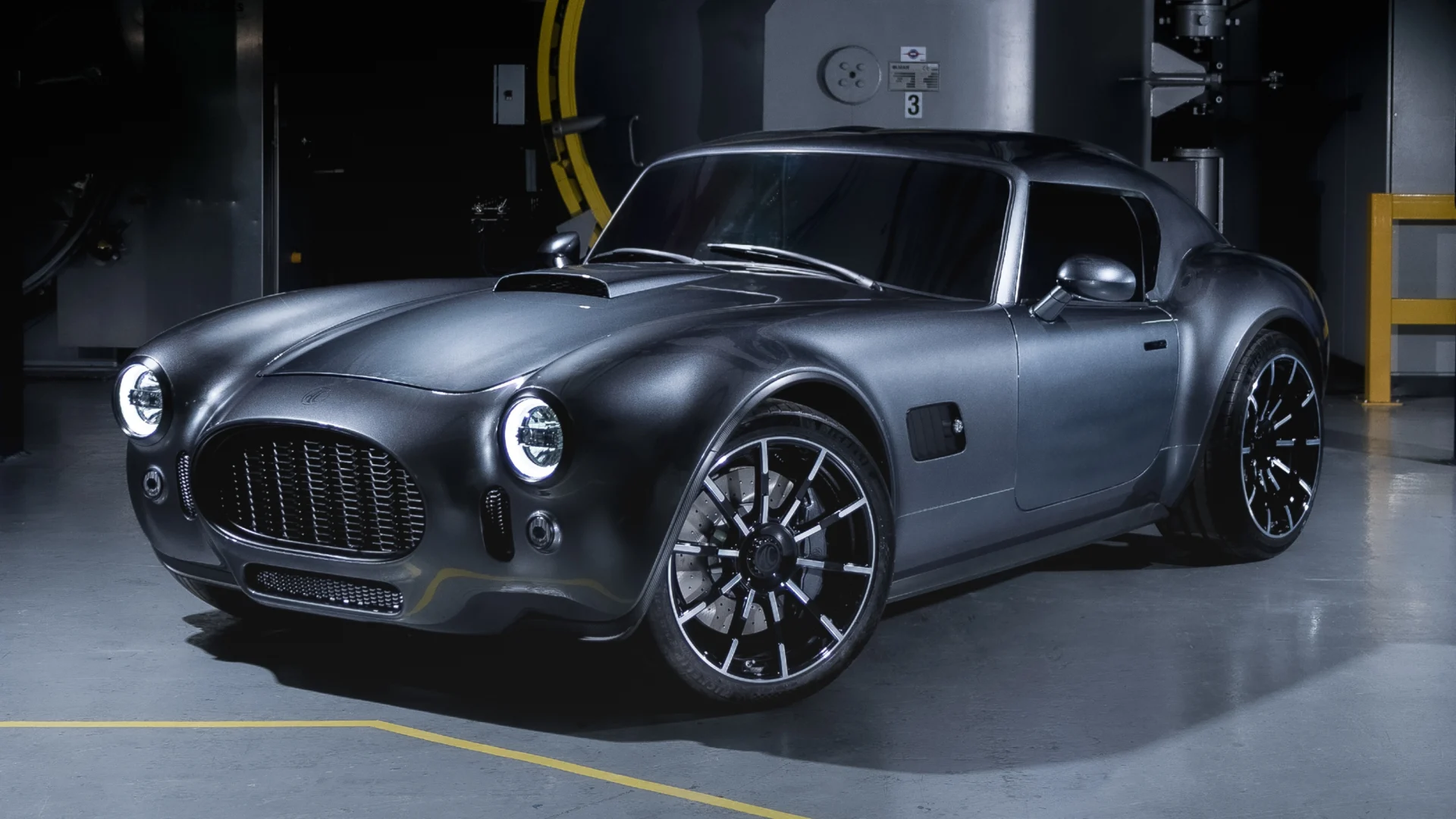
Horse Powertrain has unveiled the Horse D20 Methanol power module for series hybrid vehicles, in which the internal combustion engine is not mechanically connected to the wheels, operates in generator mode and charges the traction battery. The ICE used here is a 2.0-litre turbocharged four-cylinder engine running on methanol, while electricity is generated by a compact electric machine with axial flux technology.
Horse Powertrain is a joint venture established in 2024 between French group Renault (which owns 45%), the Geely holding company (45%) and Saudi Arabian petrochemical company Aramco (10%). Horse Powertrain is engaged in the development and production of internal combustion engines (petrol, diesel, alcohol, gas), gearboxes and hybrid powertrains. Horse Powertrain's headquarters are in London, with 18 factories located across Europe, China and South America.
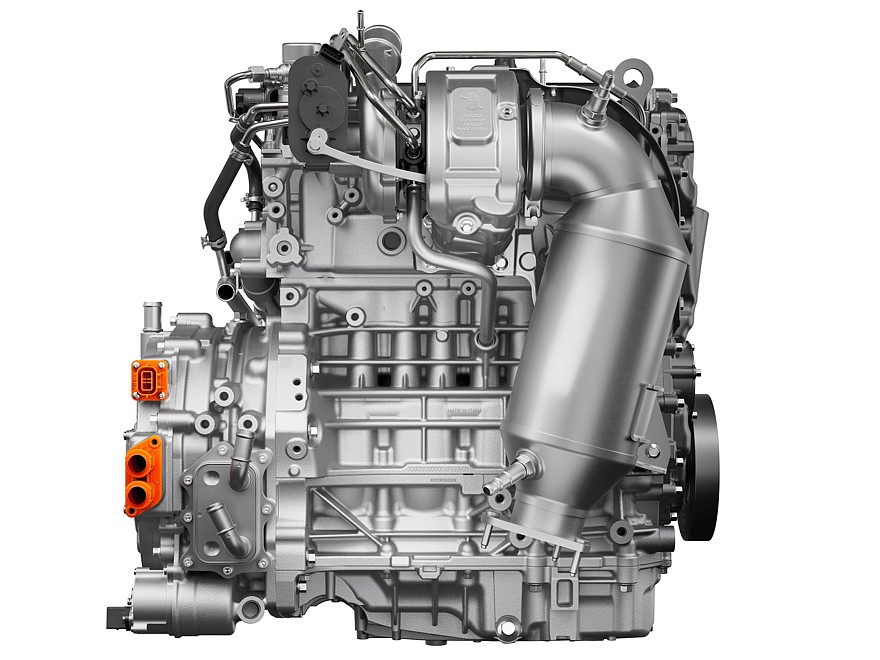
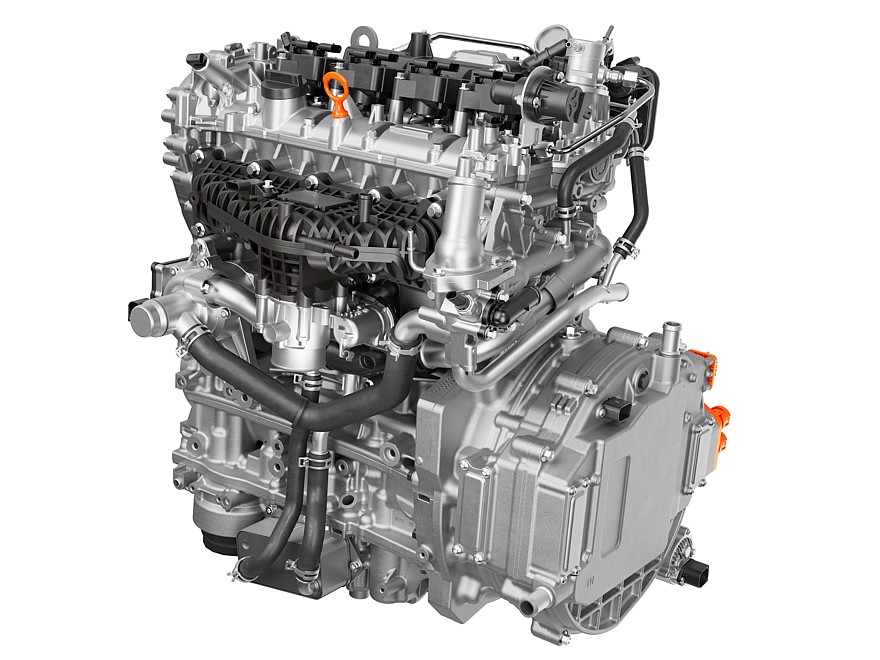
Horse Powertrain has already developed a whole range of solutions for integrating ICEs into electric vehicles, and the newly presented Horse D20 Methanol power module adds to this number and is the most energy-efficient — with a claimed efficiency of 47%. The module comprises a methanol-fuelled 2.0-litre turbocharged four-cylinder engine and a "pancake" axial flux electric machine connected to its crankshaft, for which an "extremely high efficiency" of 96.4% is claimed.
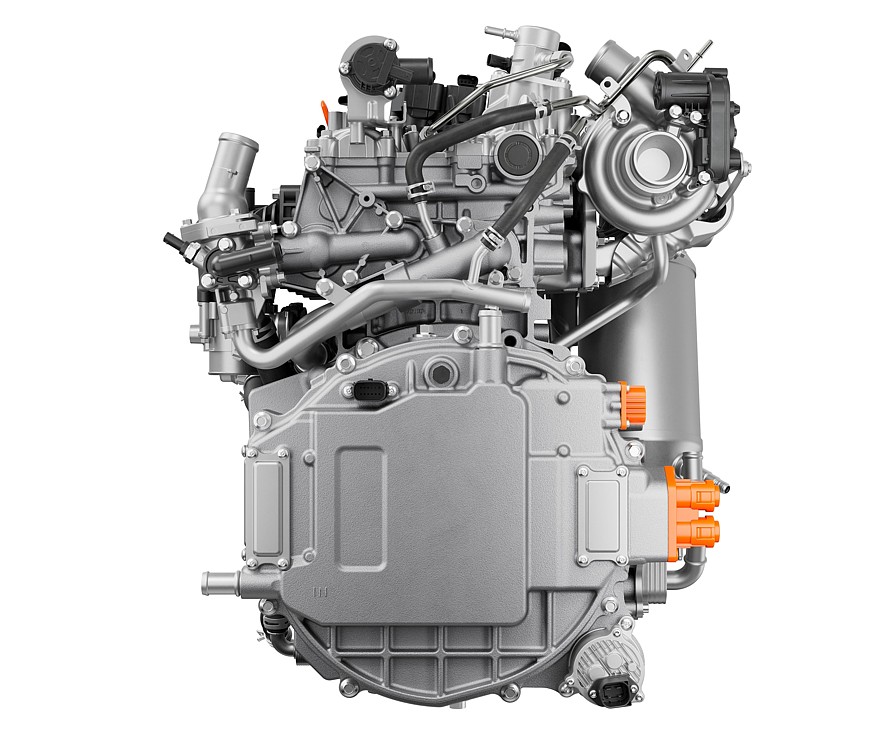
The maximum combined power output of the power module is 105 kW (143 hp), yet it weighs just 170 kg, and its overall length is 46% shorter than that of equivalents using a radial flux electric machine. The developers promise trouble-free ICE starting in temperatures as low as -35 °C. A full charge of a 40 kWh battery using this module would require just 19.6 litres of fuel.
Why methanol? On a global scale, this type of fuel is still considered exotic, but it is gaining popularity in China in the commercial transport and taxi segments. The Geely holding company already offers passenger cars and trucks that run on methanol.
Furthermore, synthetic methanol (e-methanol) is considered a promising, conditionally carbon-neutral fuel produced from hydrogen and carbon dioxide. It is envisaged that e-methanol could eventually replace petrol in the internal combustion engines of sports cars and in the engines of heavy trucks, marine vessels and even aircraft. The problem is that producing e-methanol requires green hydrogen, obtained from water through electrolysis using renewable energy sources, and the CO₂ must be captured from the air, which also requires a great deal of energy.
In short, synthetic methanol remains very expensive for now. In the commercial transport segment, it loses out on price and ease of adoption to bio-diesel alternatives (such as HVO), which do not require engine modifications. However, in the long term, e-methanol looks like an attractive fuel due to the virtually unlimited supply of raw materials for its production (air and water). In China, methanol is mainly derived from coal.
Comments
0 comments