
Porsche Mission S: forerunner of a new flagship supercar in the marque's finest traditions
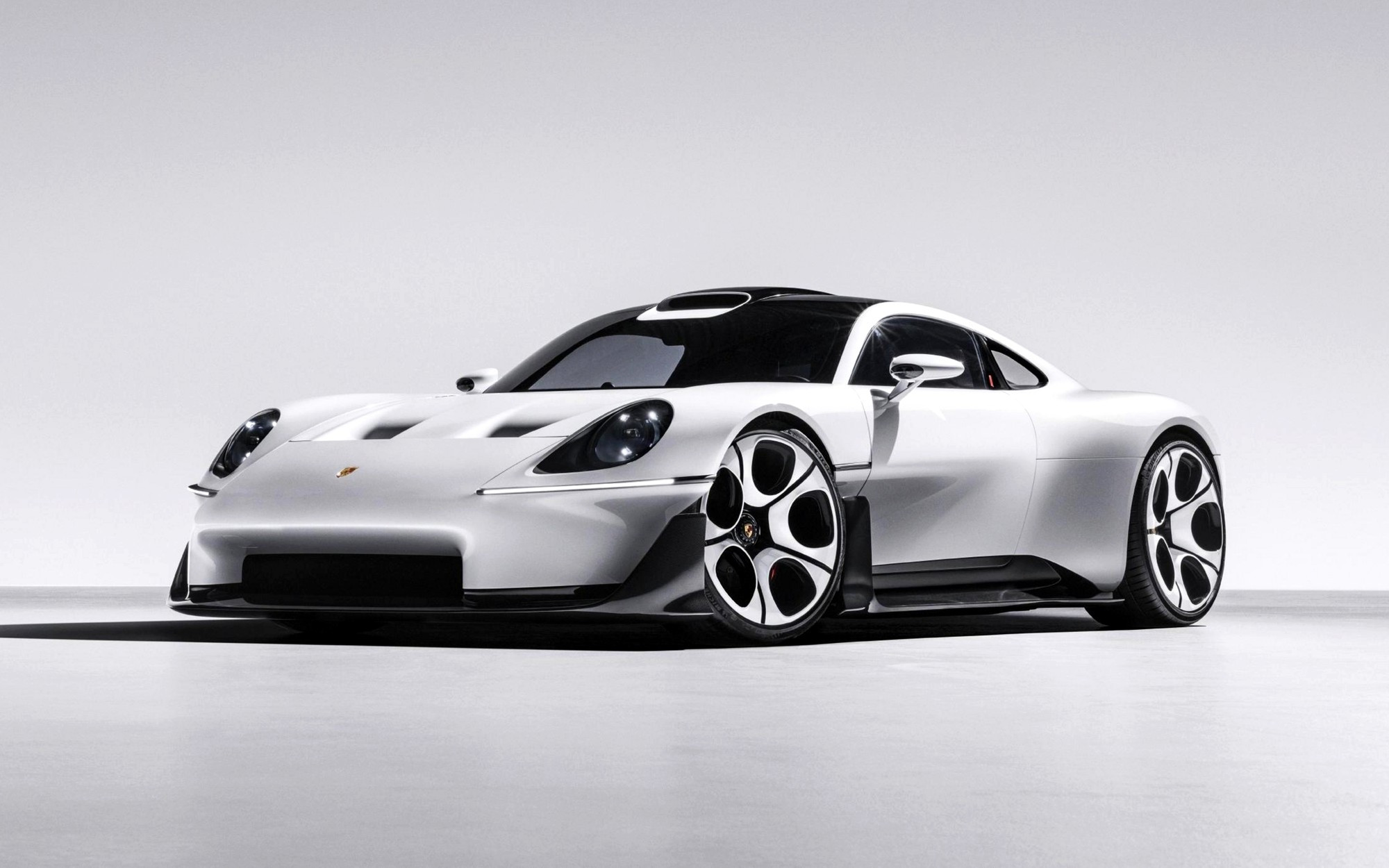
Porsche has unveiled the Mission S concept, which previews a new flagship supercar equipped with a powerful internal combustion engine. A dedicated new platform will be developed for the supercar, one that will concentrate Porsche's traditions and modern engineering expertise. Fans of the marque have long been waiting for such a car.
The flagship supercar slot at Porsche has been vacant since 2015, when production of the hybrid Porsche 918 Spyder, with its naturally aspirated V8 at its core, came to an end. In 2023, Porsche showed the Mission X concept, which looked entirely production-ready, but it never made it to series production because it had an electric powertrain — and today such cars are of little interest to the market. Last week, Porsche presented a new development strategy for Sportwagenschmiede '35, in which it promised the long-awaited new supercar with an internal combustion engine. The Porsche Mission S concept gives an idea of what that car will be.
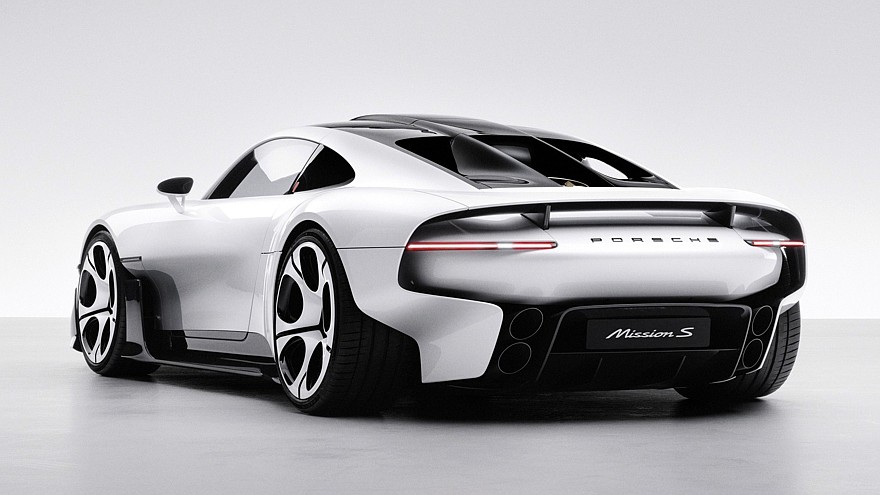
The Mission S is a prologue not even to one specific model, but to an entire family of mid-engined supercars that will take their place in the model range above the Porsche 911 family. A dedicated platform will be developed for these supercars, meaning the new Porsche supercar will not be a technical relative of any current or future Lamborghini supercar. This platform is designed for purely petrol and hybrid powertrains of various types, but not for electric vehicles, so petrolheads can breathe a sigh of relief.
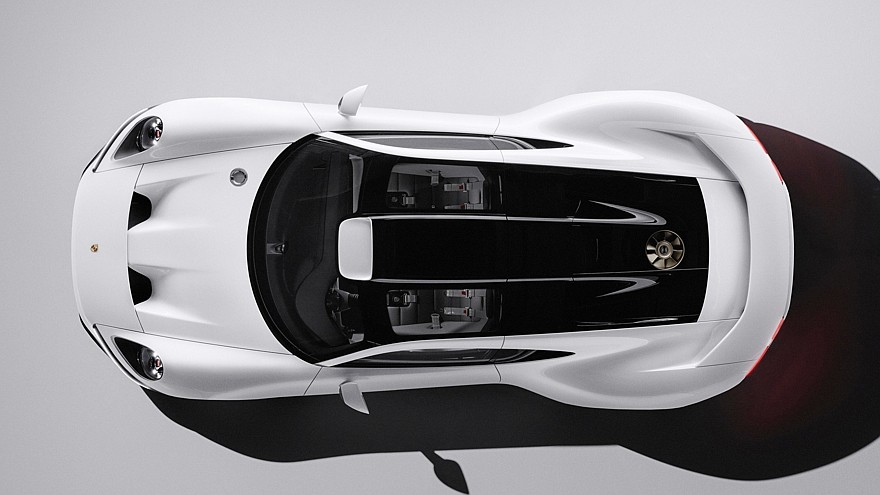
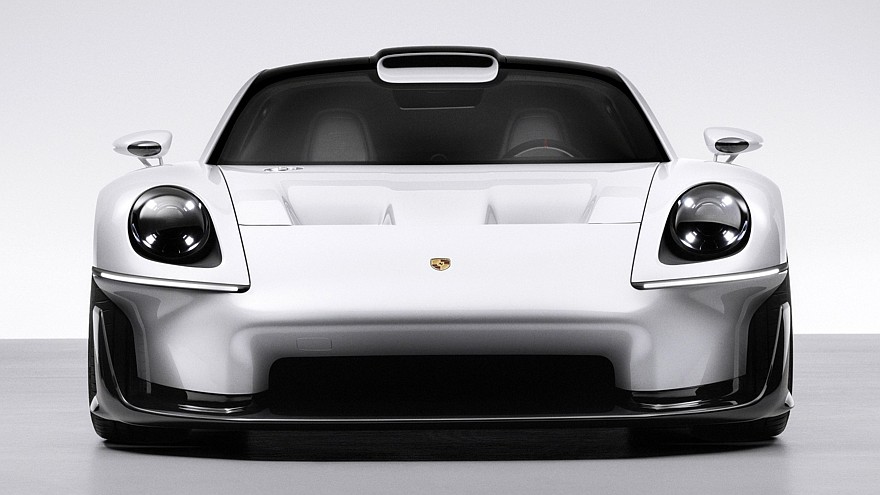
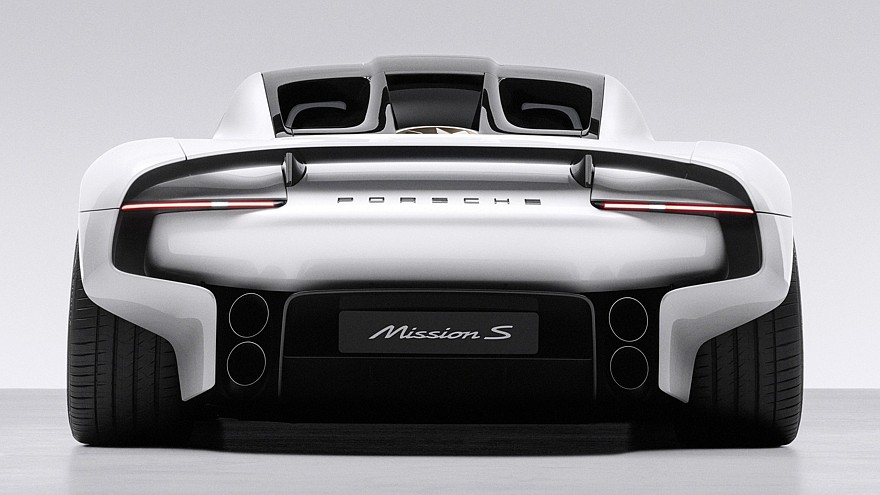
The Porsche press release contains no technical details about the Mission S, so for now it is not even clear what engine lurks behind the horizontally mounted fan in the rear, which recalls the legendary racing Porsche 917 that won the 24 Hours of Le Mans in 1970.
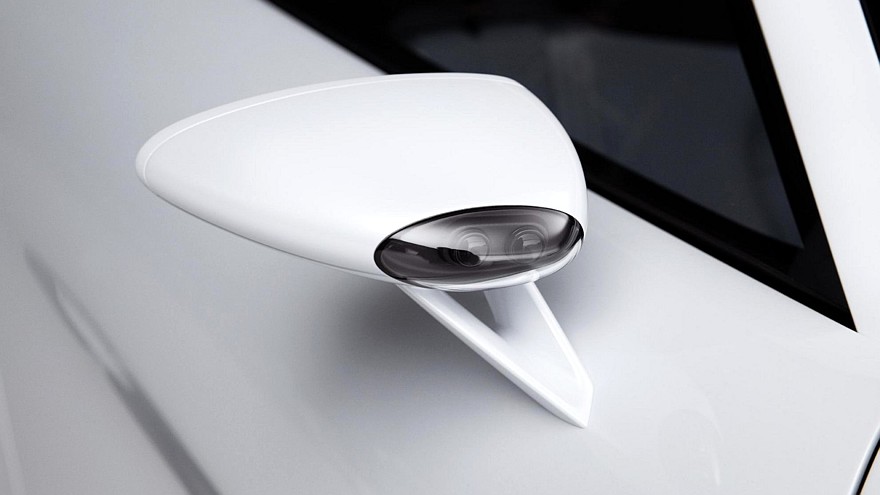
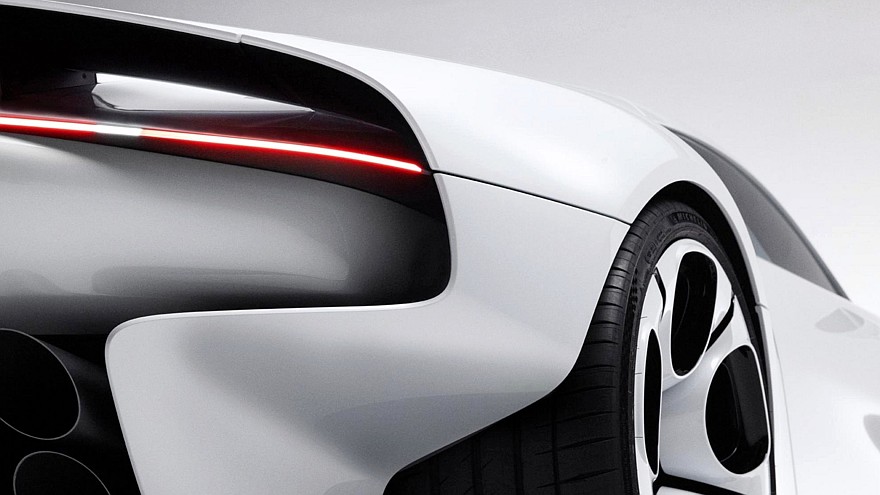
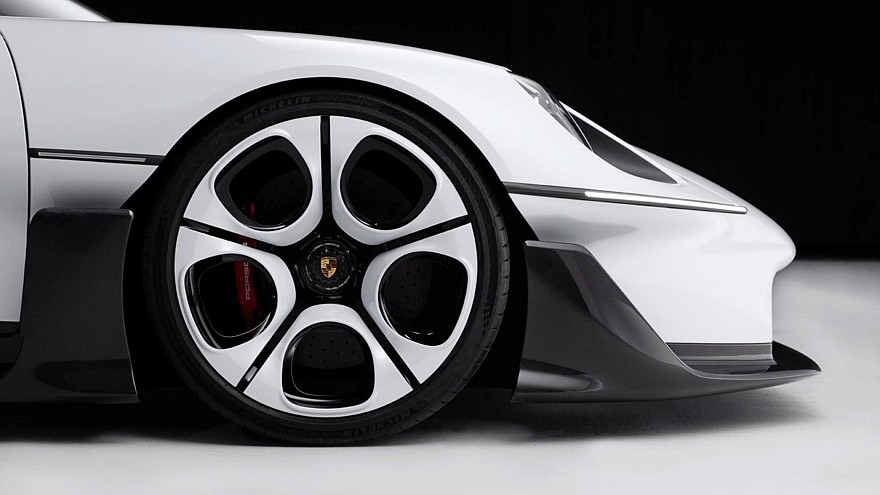
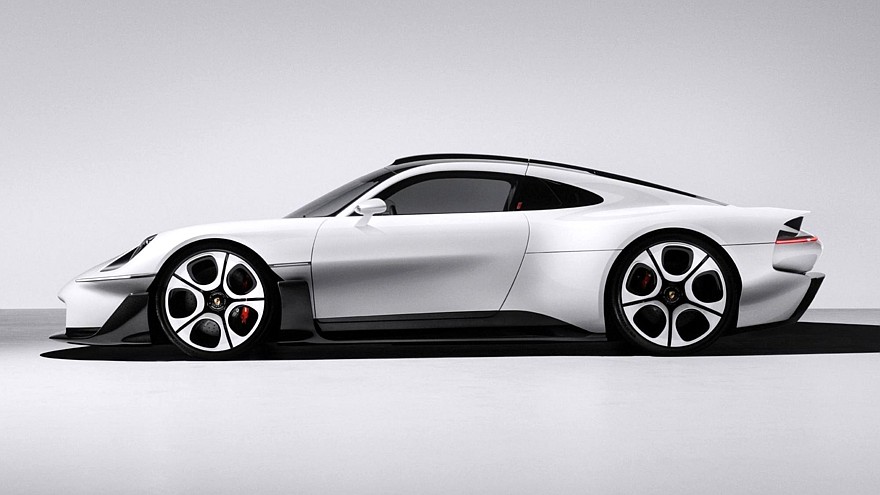
Porsche's new chief designer, Tobias Sühlmann, who previously worked at McLaren, has devised a retrospective yet not old-fashioned look for the Mission S. The auxiliary headlights recall the G-series Porsche 911, while the overall shape of the front end recalls the mid-engined Porsche 911 GT1 from the wild 1990s. In the rear styling, one can see elements of the Porsche 959 and Porsche 918 Spyder. The "telephone-dial" wheels are inspired by those of the front-engined Porsche 928 coupé. The V-shaped stalks of the door mirrors are almost like those of the Porsche Carrera GT.
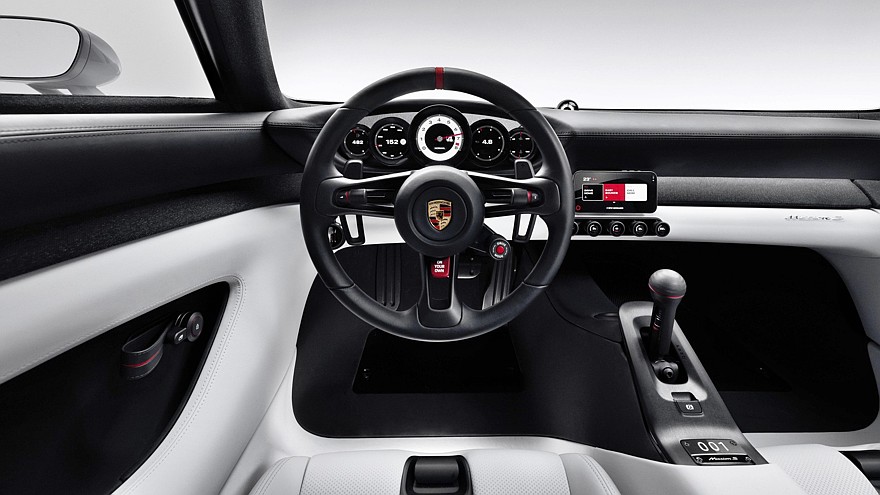
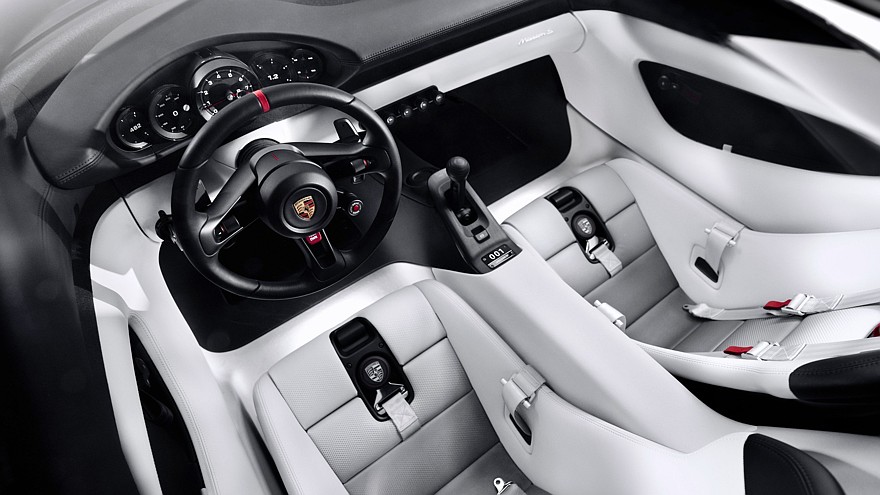
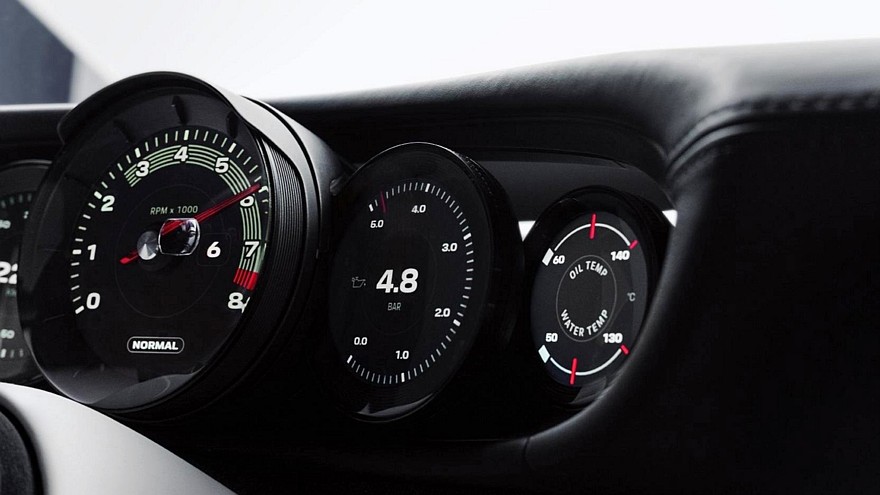
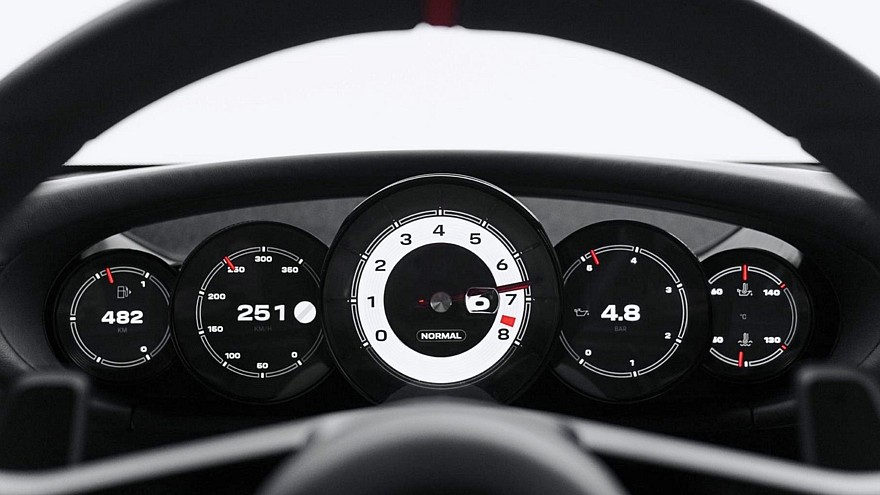
The interior of the Porsche Mission S is deliberately minimalist and traditional. There is no multimedia screen at all — it is replaced by the driver's smartphone, slotted into a dedicated mount. The instrument cluster is made up of five dials with digital backdrops, but the needle on the centrally positioned rev counter is real, not drawn. The rev counter's housing is telescopic and can move closer to the driver in certain driving modes that demand maximum concentration.
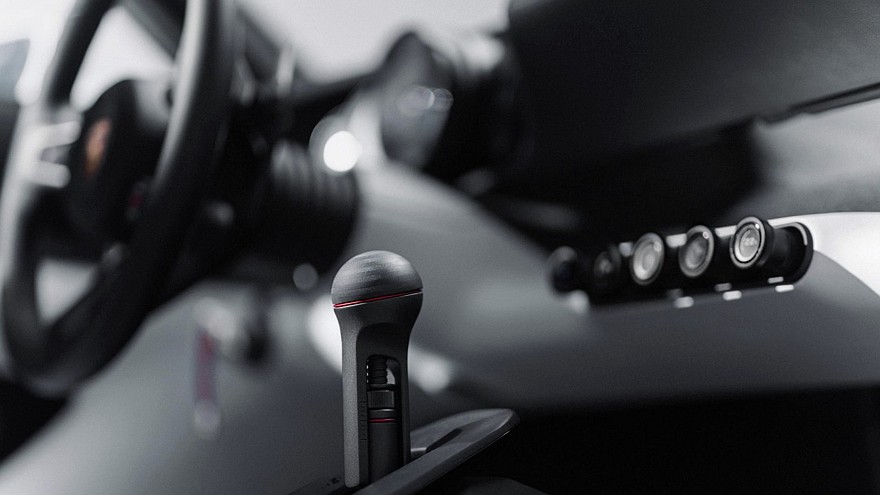
Climate control is handled by classic rotary knobs to the right of the steering wheel, while on the left is the ignition lock, into which a key specially developed for the Mission S is inserted. The automatic transmission selector is a tall lever with a visible shift mechanism at its base. The narrow centre console, on which the automatic transmission selector is located, recalls the Porsche Carrera GT. The door handles are made in the form of leather pull tabs.
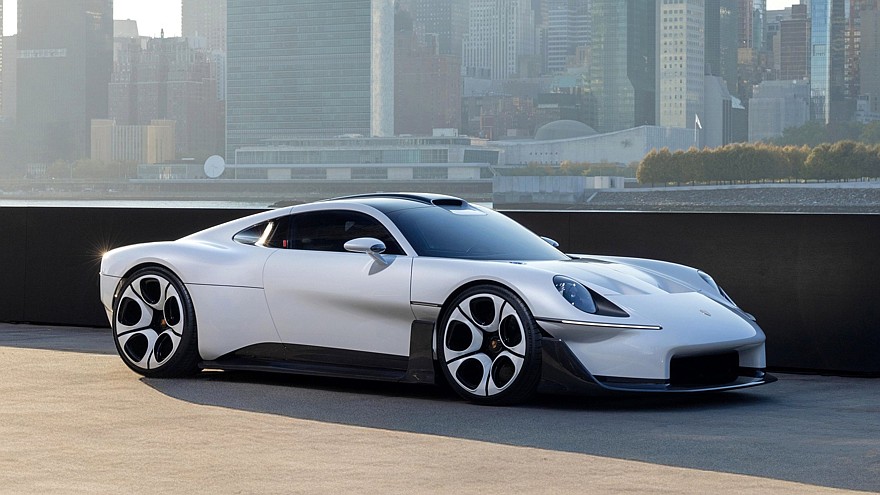
Overall, the concept inspires optimism — the first reactions to it online have been mostly favourable. Porsche has not yet announced when the first production supercar from the new family will appear.
Comments
0 comments