
Polestar is finally fixing the biggest problem with its small electric SUV
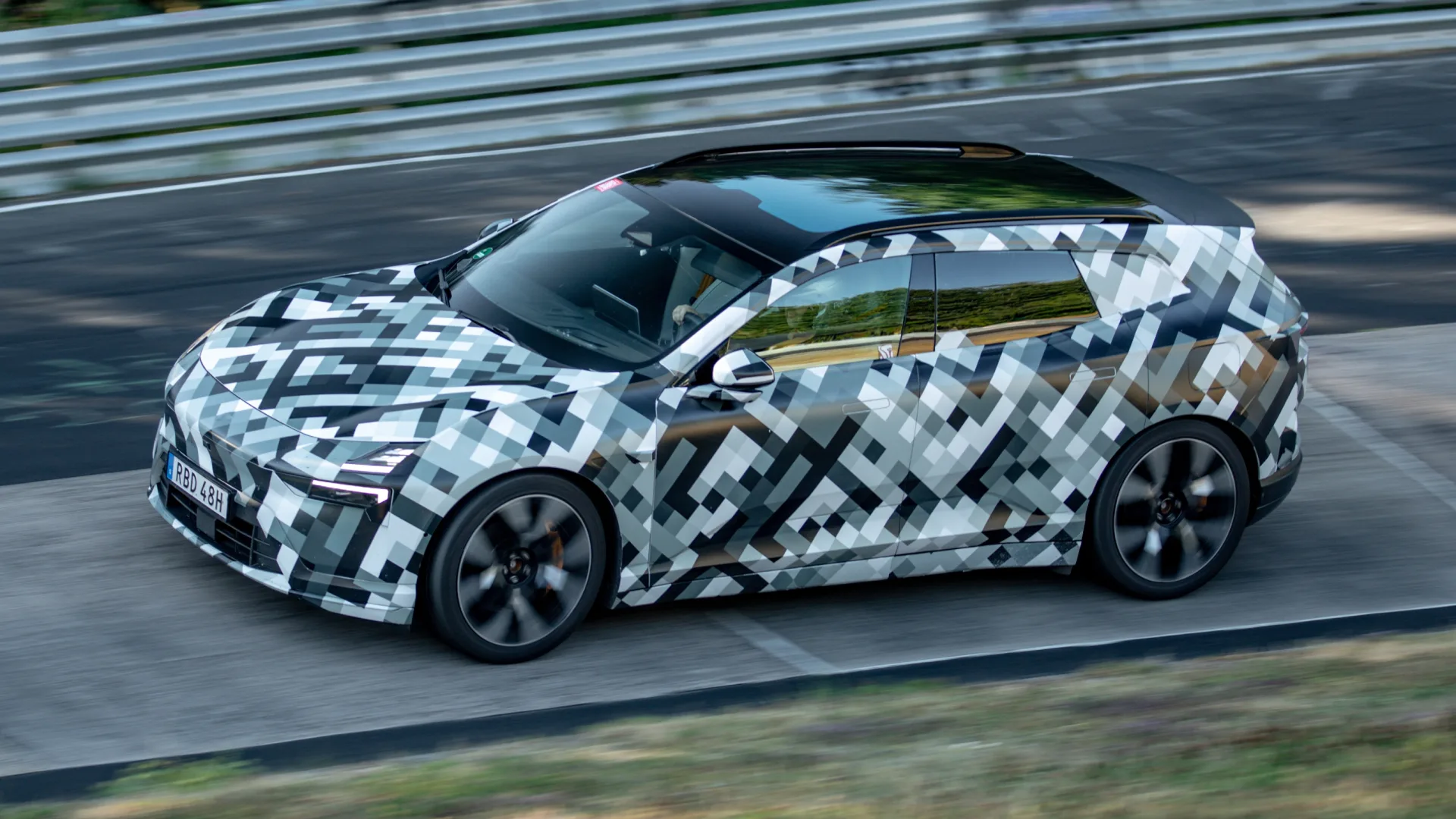
Polestar is preparing a new version of its successful Porsche Macan EV-rivalling Polestar 4 SUV, which for now is only offered as a coupé variant. The new model will be what Polestar calls an ‘Estate’, harking back to its Volvo roots and its Scandinavian heritage. Really, though, it sits somewhere between Volvo’s old Cross Country estates and its full-on XC SUVs in terms of its stature on the road.
Seen here testing at the Nürburgring with light camouflage, the box-tail of the SUV body style is clear to see and, praise be, a proper rear window. One of the Polestar 4 Coupé’s most controversial facets was its lack of a rear window, a body-coloured panel taking its place.
- Best electric cars – these EVs deserve the attention of car enthusiasts
Polestar got around the visibility and potentially claustrophobic feel by fitting an array of parking sensors and a reversing camera that consistently feeds a view out the back to a rear-view mirror screen. Meanwhile, the back seat area is kept reasonably light and airy through the use of an expansive panoramic glass roof.
It’s possible that this is a feature that’s put off some buyers, along with the reduced perceived practicality of the coupé body style. This SUV variant will answer the concerns of those more conservative buyers when it goes on sale on September 2. It will also widen the Polestar 4 proposition by comparison to the still-rakish Porsche Macan EV and Tesla Model Y.
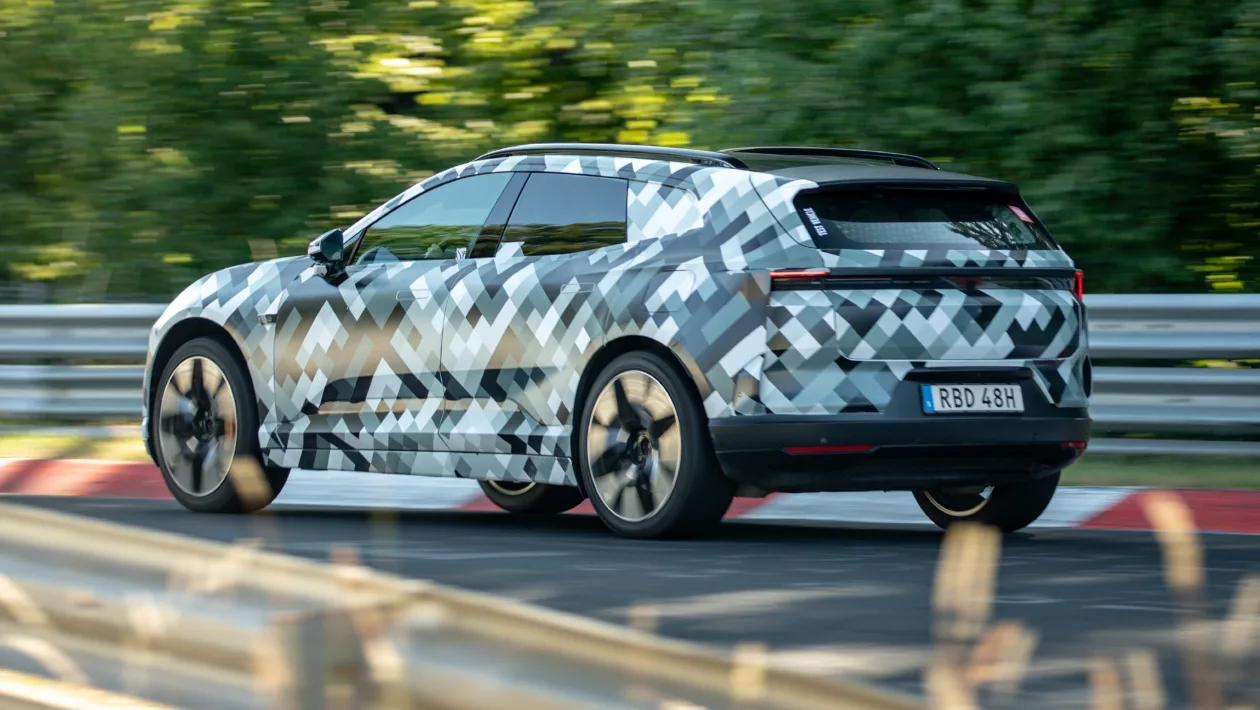
The SUV is expected to join the range with the same battery and powertrain line-up as the coupé, with a 268bhp rear-motor model and a 536bhp dual-motor model, both fed by a 94kWh (usable) battery. Being an SUV, it’s likely it’ll be a hair less slippery in terms of aero efficiency than the Coupé variant, negatively impacting range.
The Polestar 4 got off to a shaky start critically speaking, with a glitchy user interface, and suspension and steering that lacked polish. From a sales perspective, however, it’s been a real success for Polestar, driving a doubling of Polestar’s sales volumes in the 2025 fiscal year.
Polestar has worked to address the issues too, with the 2027 model year adding high-capacity passive dampers, new settings for the springs and anti-roll bars and new polyurethane bump stops, as well as tightening up the steering. The claim is that it’s both more dynamic and more comfortable to drive.
Comments
0 comments