
New Li L6 now on sale: refreshed design, more powerful electronics and the same price
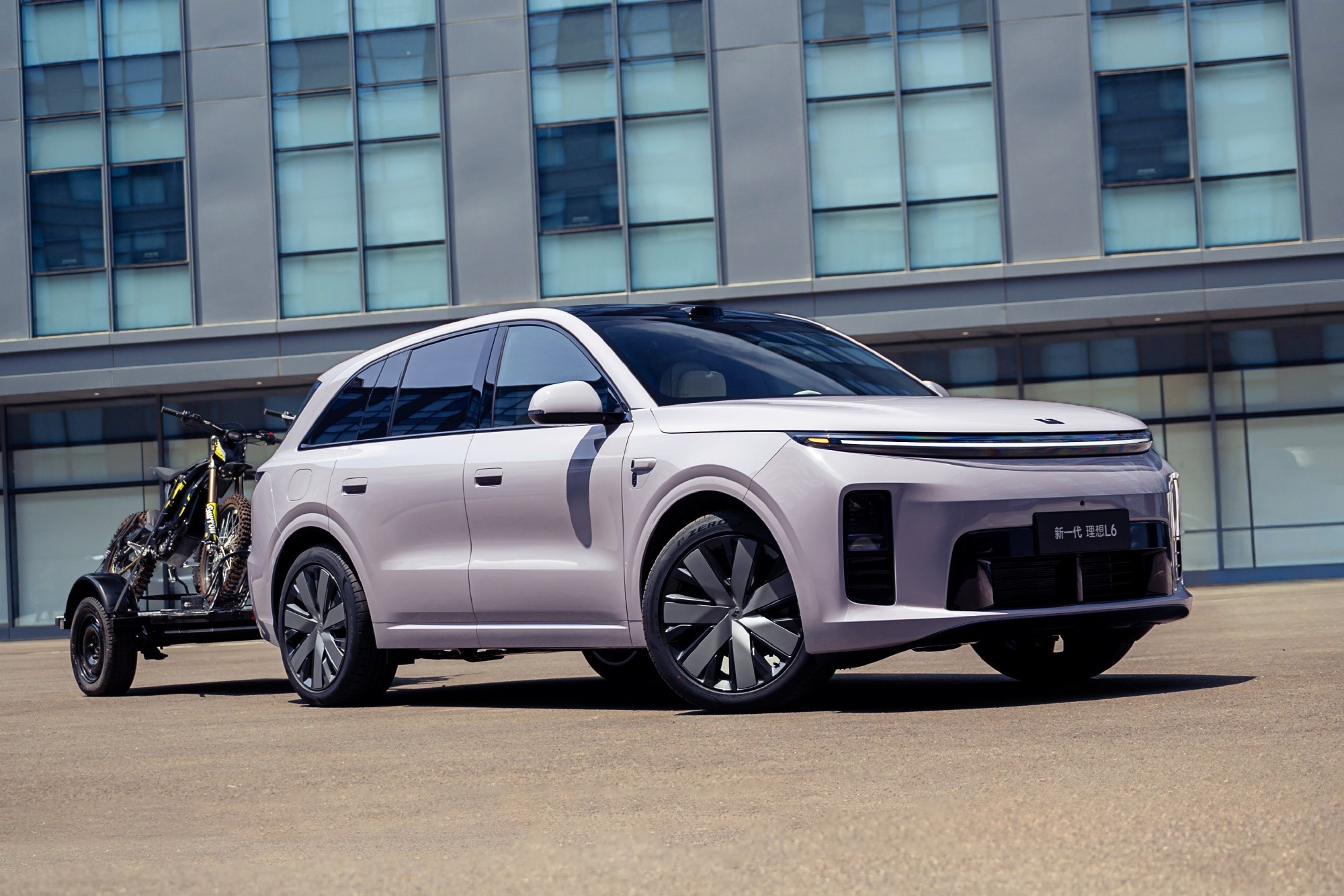
Li Auto is continuing to refresh its line-up of plug-in hybrid SUVs: the second-generation Li L6, the smallest model in this range, has gone on sale in China.
The first-generation Li L6 hit the Chinese market in April 2024 and was an instant hit, drawing customers away from its larger siblings — the Li L7, Li L8 and Li L9. Earlier this year, the Li L8 and Li L9 moved to their second generation, and now the 'second-gen' Li L6 has arrived. A new Li L7 is expected later this year. This rapid model refresh is intended to help Li Auto correct its sales trajectory: in the first half of 2026, the company sold 193,472 vehicles, a decrease of 5.13% compared to January-June 2025. June sales dropped by 14.84% to 30,895 vehicles.
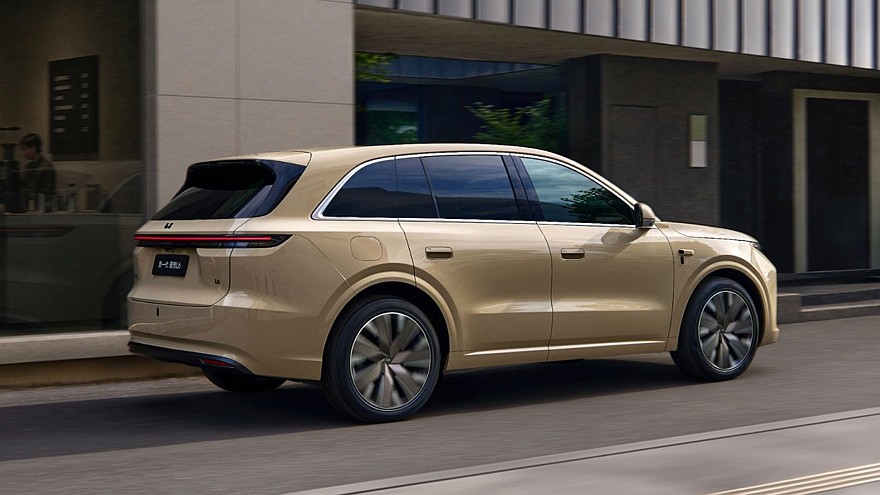
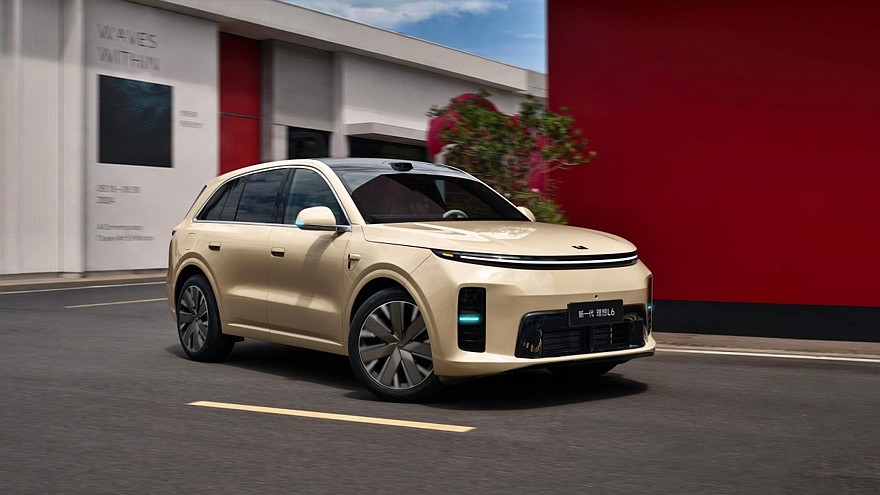
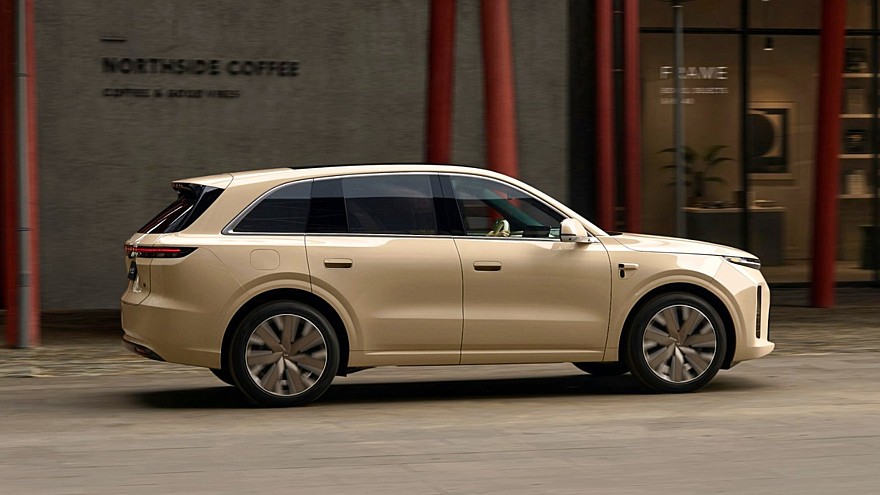
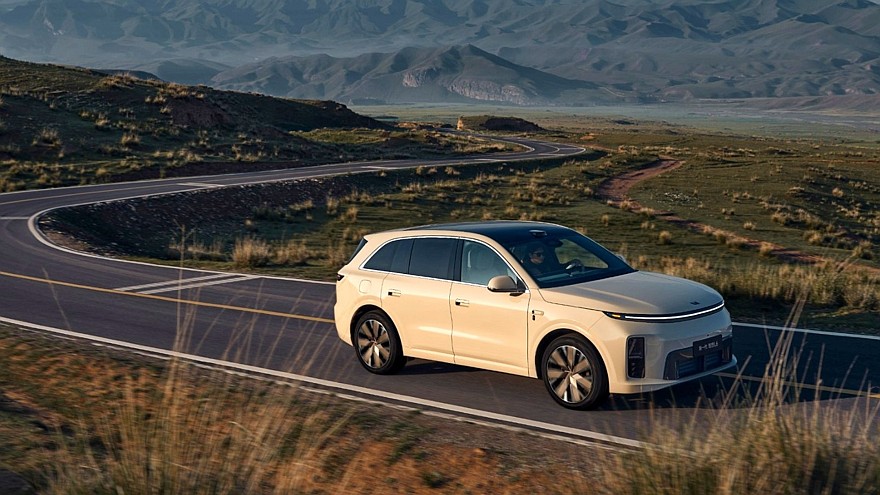
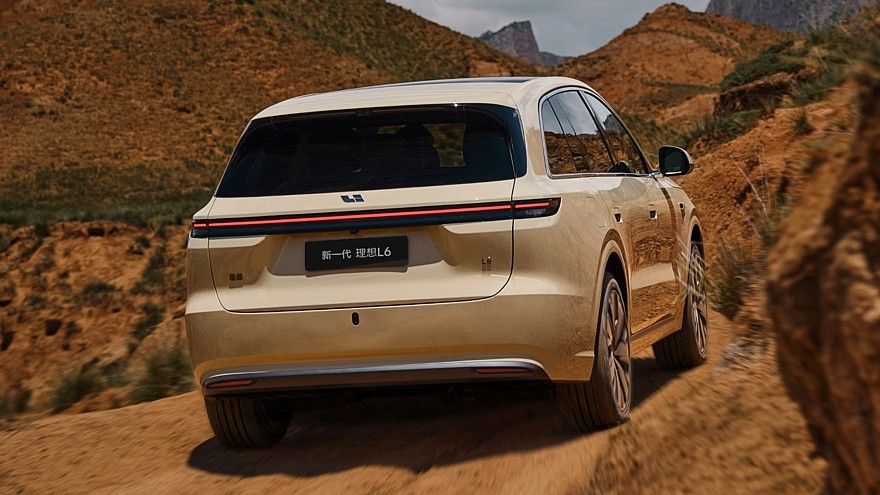
While the second-generation Li L8 and Li L9 can be considered genuinely new, the 'second-gen' Li L6 is essentially the result of a deep overhaul of the first-generation SUV: it retains the 400-volt electrical architecture and a spring suspension with adaptive dampers (double wishbone at the front, multi-link at the rear). There are few exterior changes, but they are present: the central air intake in the front bumper is now visually separated from the side sections housing the headlights, flush door handles have been replaced by safer recessed ones, and the shape of the substantial rear bumper and tailgate has been altered, with the number plate moving from the bumper to the tailgate.
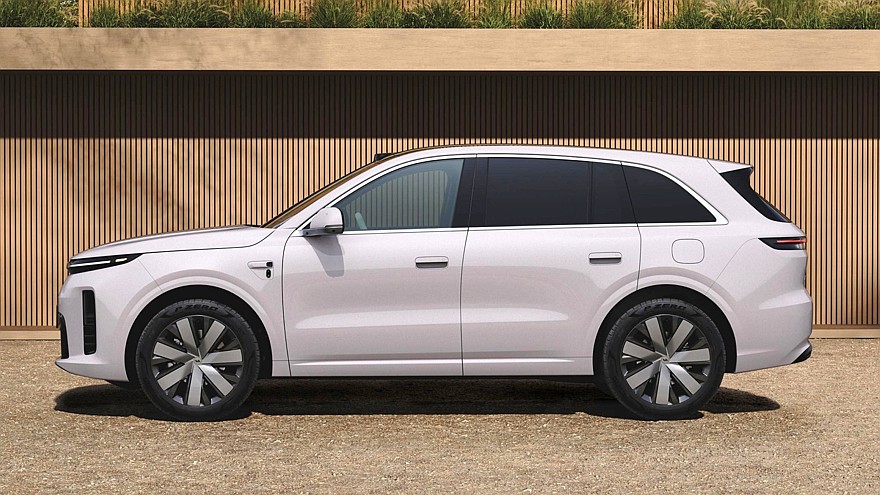
With the generational change, the overall length of the Li L6 has increased from 4,925 mm to 4,935 mm, while other key dimensions remain the same: width is 1,960 mm, height is 1,735 mm, wheelbase is 2,920 mm, and standard wheels are 20 or 21 inches. The body has become stiffer, and sound insulation has been improved. Kerb weight has increased by nearly 200 kg to 2,520 kg. The maximum permissible trailer weight is 1,500 kg.
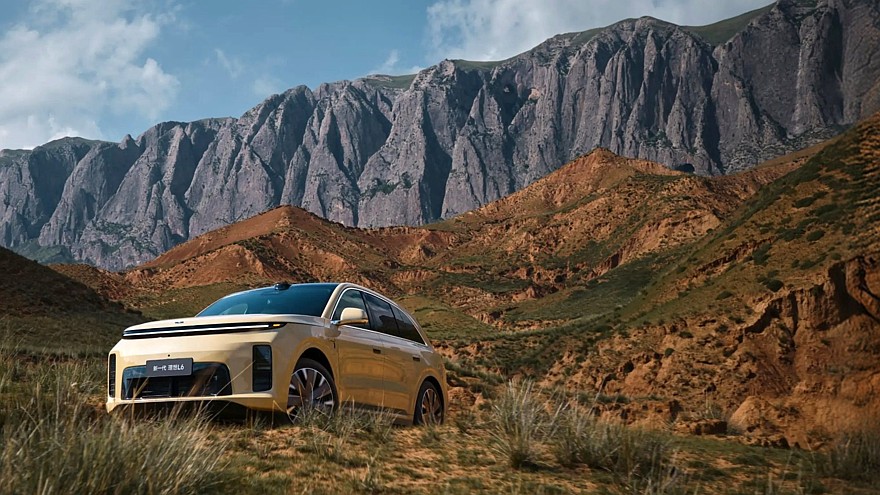
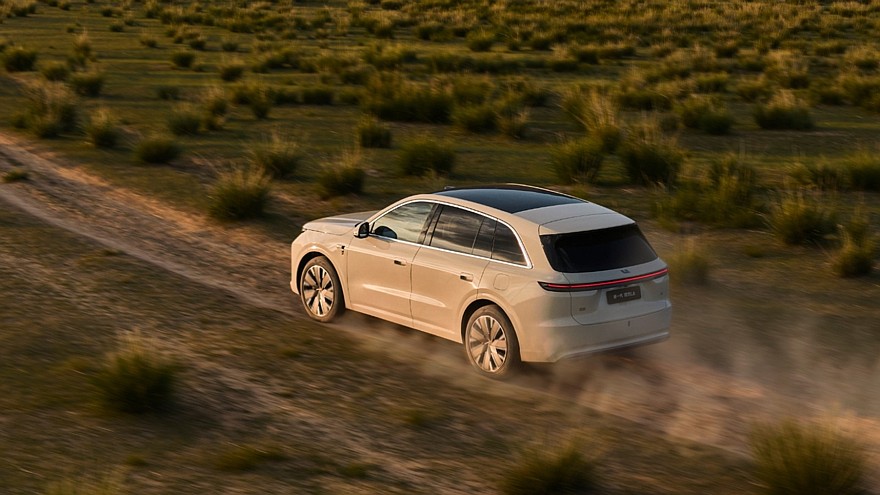
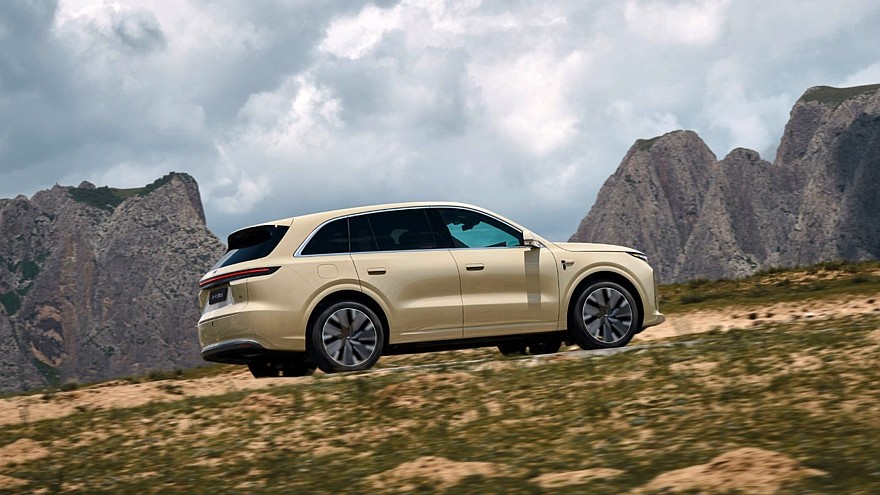
The operation of the electronic driver assistance systems is now tied to Li Auto's own powerful Mach M100 processor, which uses a 5-nanometre process and delivers performance of up to 1,280 TOPS. As an option, a full self-driving system is available with a second Mach M100 processor and four lidar sensors on the body.
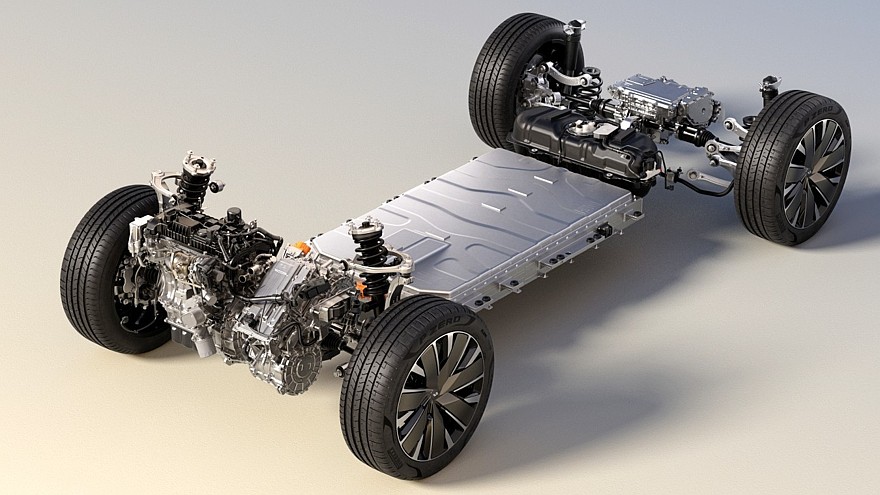
The plug-in hybrid system of the Li L6 has also not fundamentally changed: under the bonnet, a 1.5-litre turbocharged four-cylinder petrol engine producing 154 bhp acts as a generator, while the wheels are driven by two electric motors (front and rear), with a combined maximum output of 300 kW (408 bhp) and 529 Nm. The capacity of the traction lithium iron phosphate battery has been increased from 36.8 kWh to 51 kWh, giving an all-electric range of 300 km on the CLTC cycle, and a hybrid range of 1,250 km with a full 50-litre fuel tank. The new Li L6 accelerates from 0 to 100 km/h in the same 5.4 seconds, and the top speed has been increased from 180 km/h to 200 km/h.
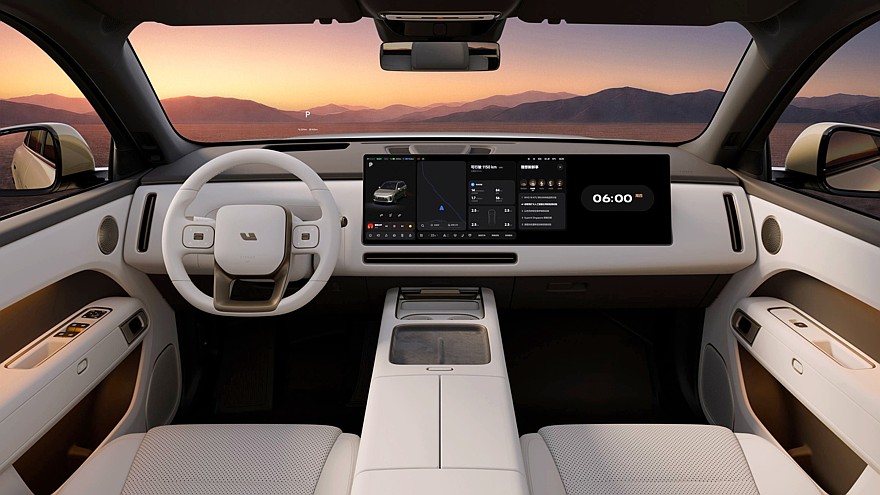
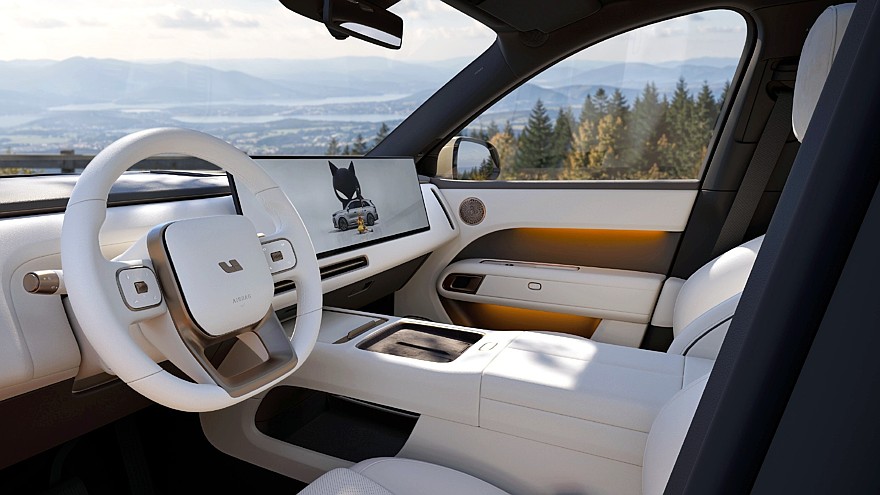
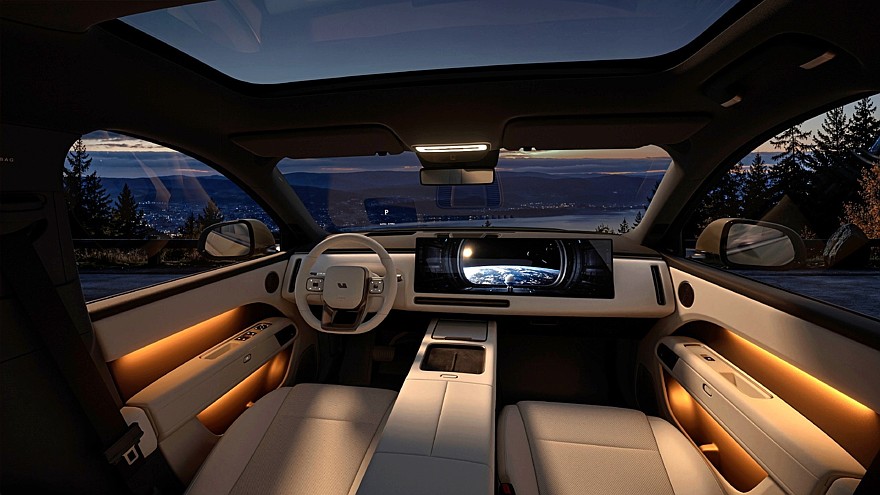
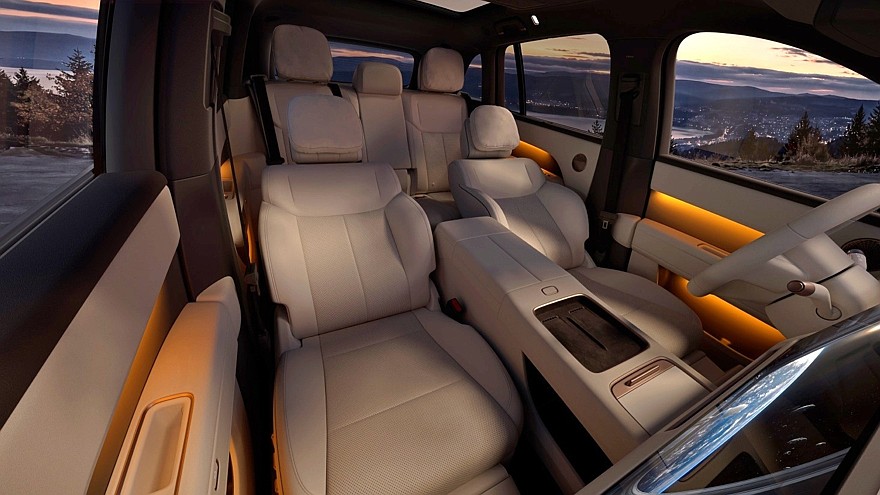
The interior of the Li L6 has been updated following the example of its larger brothers, the Li L8 and Li L9: trim materials have been improved, the instrument screen has been removed from the steering wheel (its role is taken by a head-up display on the windscreen), and the air vents have become slimmer. A 29-inch 6K-resolution screen mounted on the dashboard is powered by a powerful Qualcomm Snapdragon 8797 processor. For second-row passengers, a 21-inch ceiling-mounted entertainment screen is available as an option. The standard audio system has a power output of 1,920 W and includes at least 19 speakers, with an upgrade to 21 speakers available for an additional cost. A built-in refrigerator comes as standard equipment.
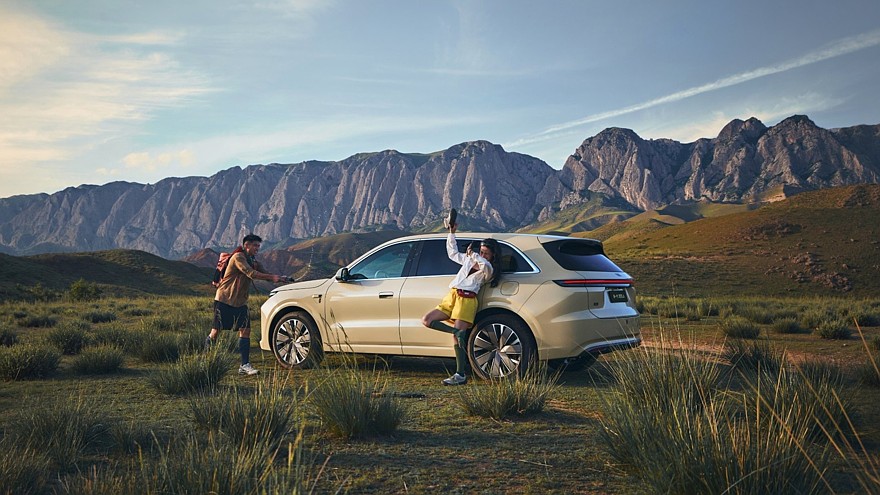
In China, the new Li L6 is offered in a single Ultra trim level and costs the same as the previous base Li L6 Pro, starting from 249,800 yuan (approximately £27,500 at current exchange rates).
Comments
0 comments