
BYD Raco launched in Japan to kei-car specifications... 1 million won cheaper than rivals
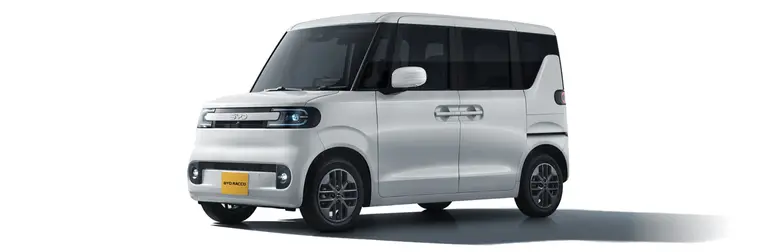
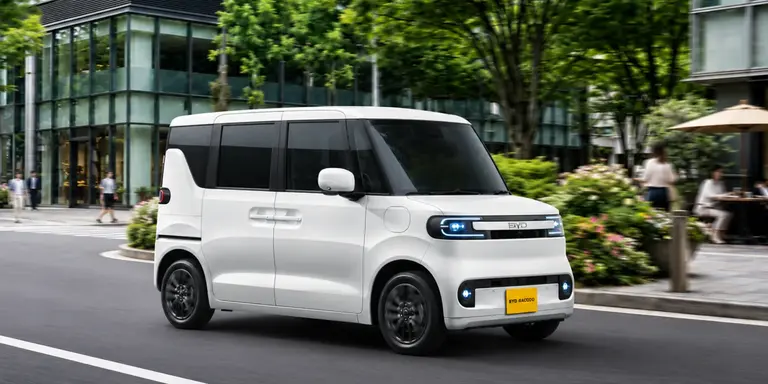
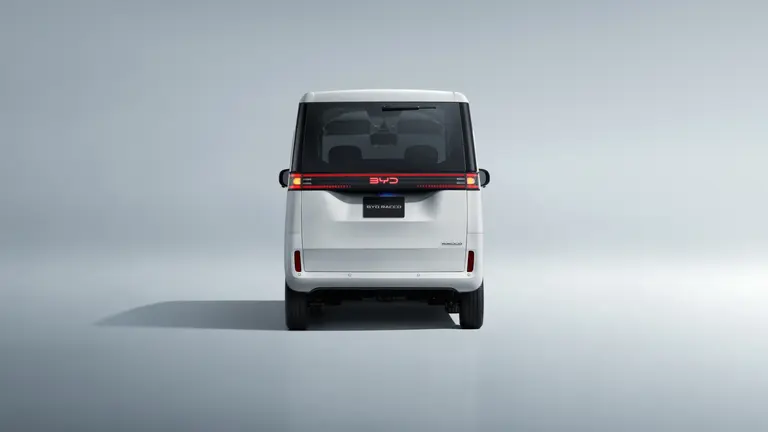
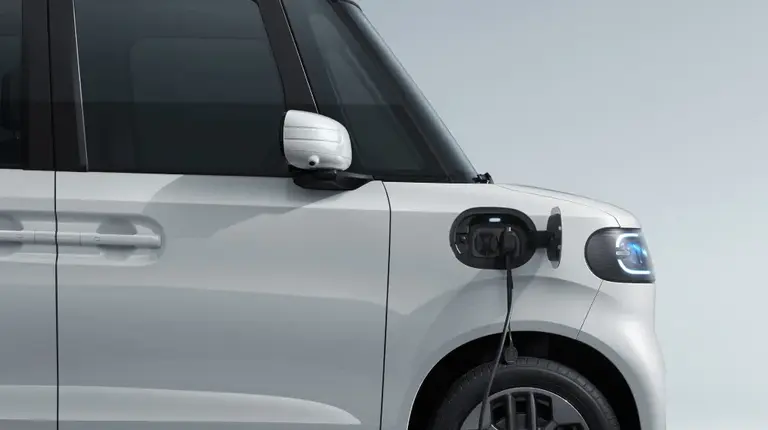
BYD has officially launched the 'Racco', a compact pure electric vehicle model developed to target the Japanese market. Built to Japanese kei car specifications, the Racco measures 3,395mm in length, 1,475mm in width, 1,800mm in height, with a wheelbase of 2,520mm. Kerb weight ranges from 1,160kg to 1,230kg depending on trim.
The trim line-up consists of three variants: Racco 200, Racco 300 Plus, and Racco 300 Premium, with differentiated optional specifications and battery packs offered across trims. Two battery capacities are available – 22.4kWh and 35.84kWh – delivering a single-charge driving range of 210km and 320km respectively under Japan's WLTC standard. The Racco is the first kei-class pure electric vehicle in Japan to achieve a single-charge range exceeding 300km. Rapid charging output of up to 50kW is supported. A single motor is mounted on the front axle, producing 64hp of maximum output and 16.3kgf·m of peak torque.
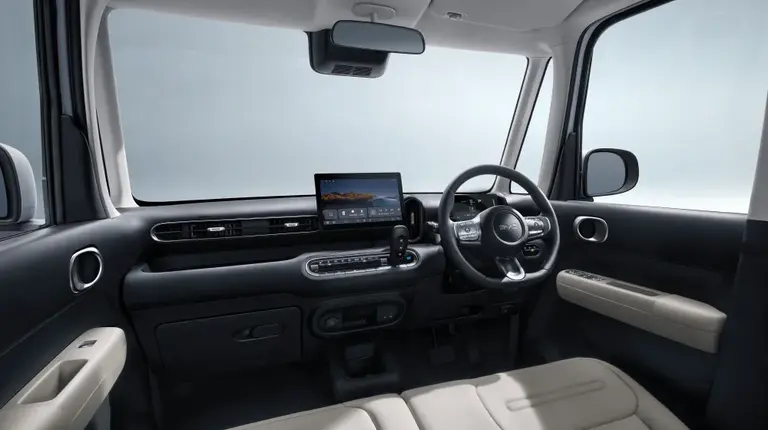
Development personnel from Japanese automakers were recruited to oversee the Racco's design. This enabled the vehicle's dimensions and interior convenience specifications to be tailored to the local Japanese market environment. Six exterior colours and two interior design themes are offered. Trim-specific optional specifications include powered sliding doors, NFC smartphone key, V2L, a 10.1-inch central infotainment touchscreen, six-way powered seats, front heated seats, heated steering wheel, heated cup holders, and a tyre pressure monitoring system. Boot capacity stands at 280L, expanding to a maximum of 1,372L with the rear seats folded.
Pricing is set at 2.14 million yen (approximately KRW 19.15 million) for the Racco 200, 2.398 million yen (approximately KRW 21.4 million) for the Racco 300 Plus, and 2.497 million yen (approximately KRW 22.27 million) for the Racco 300 Premium. With Japan's government subsidy of 150,000 yen (approximately KRW 1.34 million) applied, the top trim's purchase price falls into the early-to-mid 20 million won range.
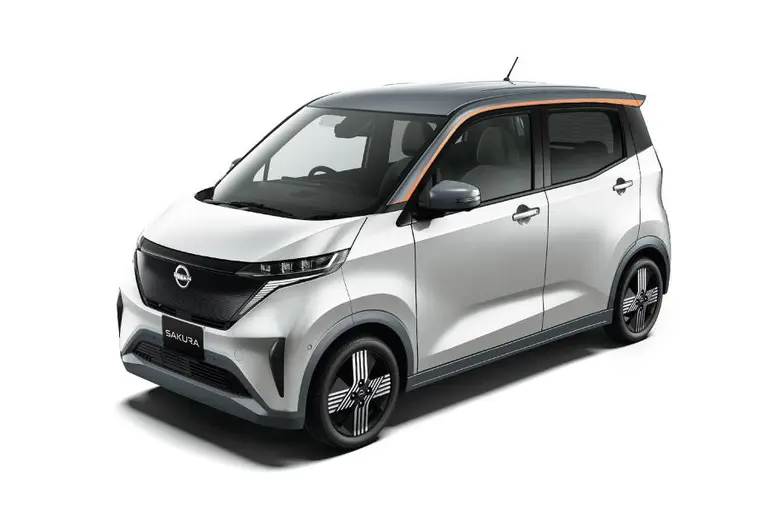
Competing models such as the Nissan Sakura and Mitsubishi eK Cross EV have higher government subsidy amounts allocated compared to the Racco. The Nissan Sakura, for instance, receives a subsidy of 580,000 yen (approximately KRW 5.17 million), bringing its top-trim subsidised purchase price to 2,418,600 yen (approximately KRW 21.57 million) – roughly KRW 1 million higher than the BYD Racco's top trim.
Kei cars account for approximately 40% of annual new vehicle sales in Japan. As of 2025, Japan's annual vehicle sales stand at around 4.56 million units – 2.7 times the size of the Korean market, which records approximately 1.67 million units over the same period. This demonstrates that Japan's annual kei car sales exceed Korea's entire new vehicle market. Due to its unique specifications and high entry barriers, the Japanese kei car market has long been regarded as an impregnable stronghold. Industry attention is now focused on how BYD will approach this market.
Comments
0 comments