
Former advisor to Bo Andersson: availability of Russian cars is a political issue
Our interview with Alexei Agureyev, an expert in industrial communications and former advisor to Bo Andersson at AVTOVAZ and UzAuto Motors, has been cited by a number of professional websites and has generated quite a few controversial comments. So we decided to ask Alexei to continue our conversation.
Corr.: Alexei, many commentators were sceptical of your idea of taking a leaf out of Uzbekistan's automotive industry.
A.A.: You know, this isn't the first time I've come across this. For some reason, readers find it very difficult to accept the idea that over 30 years Uzbekistan has managed to find a working business model and build its own automotive industry from scratch, which is gradually, but ever more confidently, gaining a leading position in both the Turkic world and the post-Soviet space. Meanwhile, we, for our part, are still lurching from one business model to another.
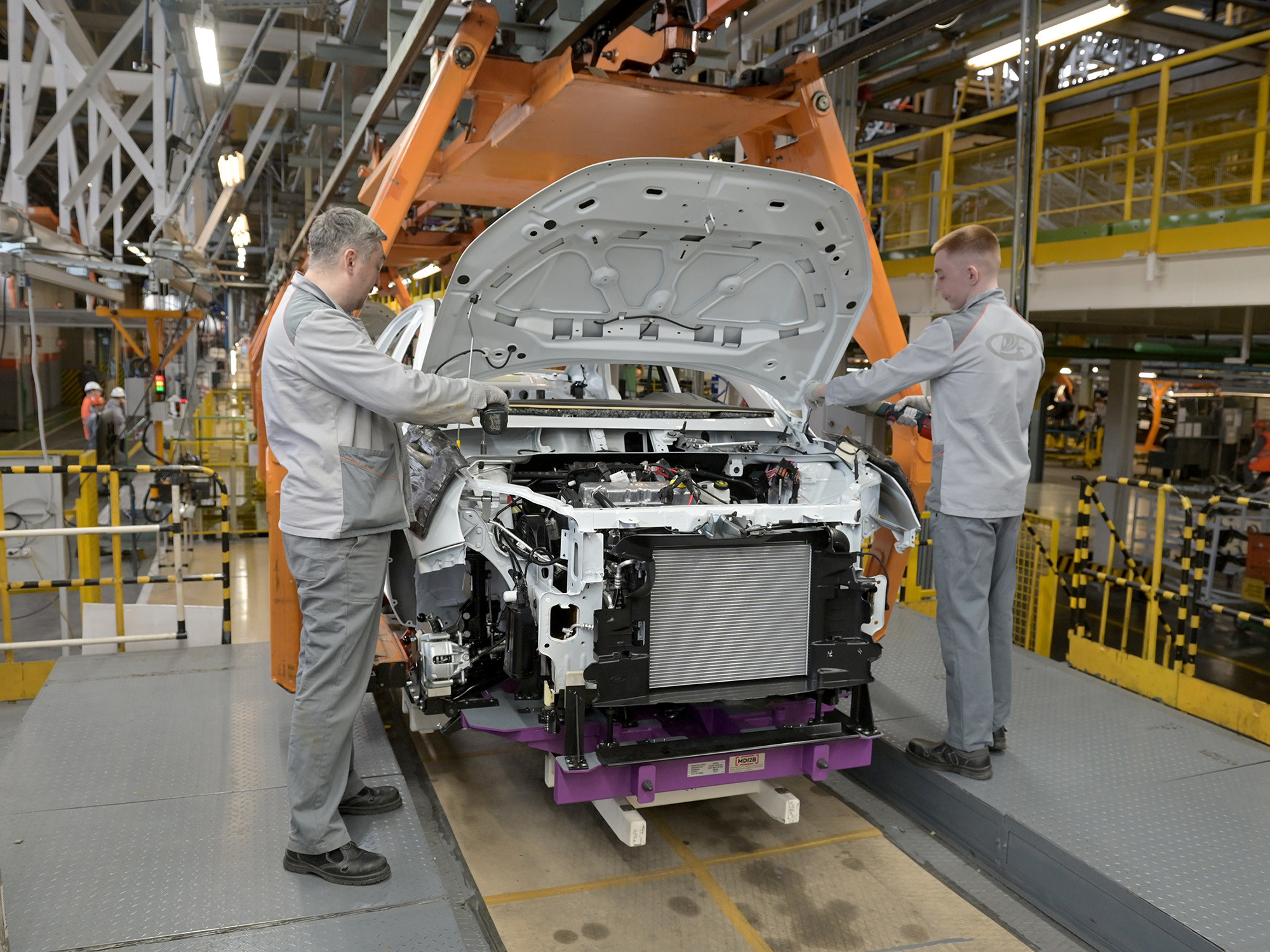
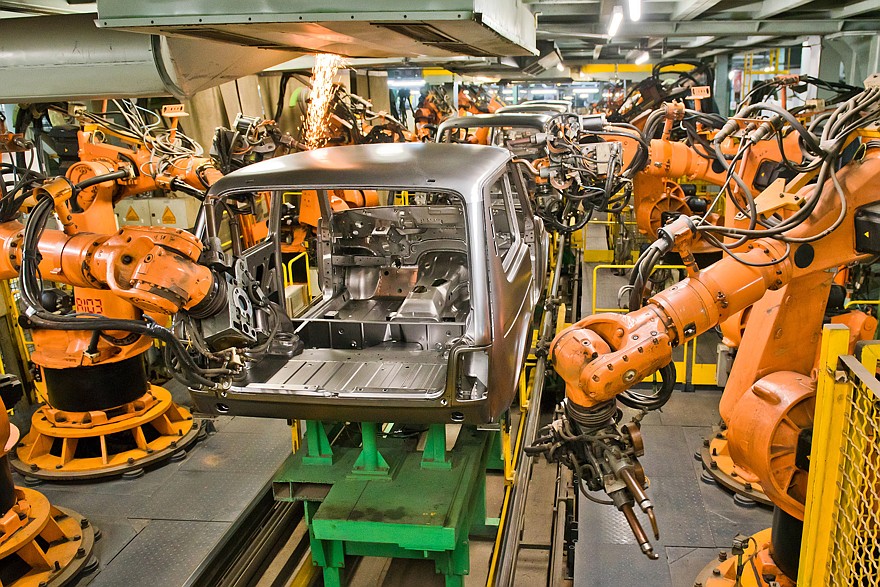
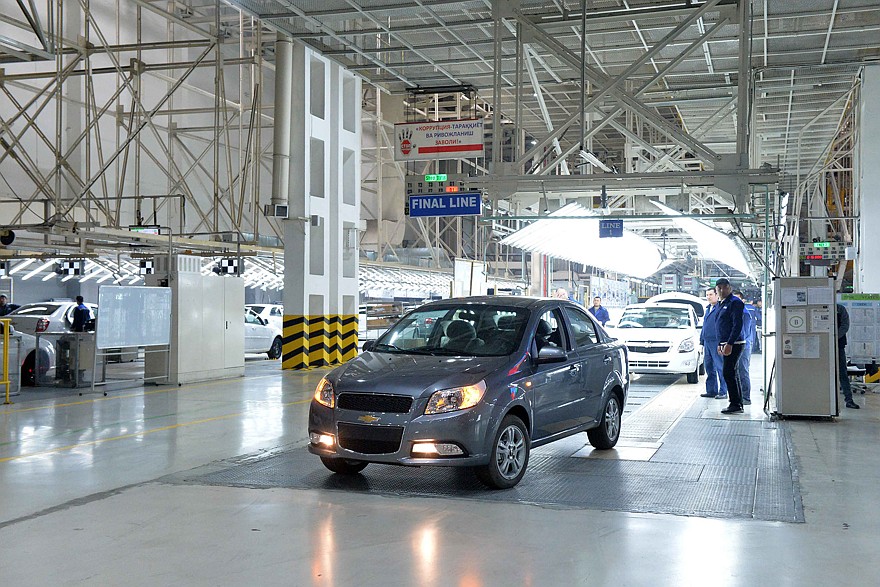
I always make the point that I'm not idealising the Uzbek experience, that there's always room for criticism in any production, but you can't deny that in recent years, Uzbek UzAuto Motors has repeatedly surpassed our AVTOVAZ in terms of production volume. Incidentally, this happened again last year, when the Russian automotive giant produced 324,558 cars, while 393,200 vehicles rolled off the assembly line at the Uzbek plant – 68,000 more.
I have always highly valued the efforts of AVTOVAZ, which managed to restore production after 2022 under extremely difficult conditions. After all, currently, the production volume of Lada and Uzbek Chevrolet is broadly comparable. Moreover, as 2024 showed, AVTOVAZ can produce significantly more cars – 525,525 units. The difference with Uzbekistan is that UzAuto Motors' products not only don't sit idle at dealers, but are typically sold out via pre-orders long before they even reach the assembly line. And it is this factor – high demand among buyers in their own country – that is becoming extremely important at the moment. In fact, politically important.
What allows Uzbek car manufacturers to guarantee high demand? The answer is very simple: the state essentially controls car prices, keeping them at a level acceptable to the buyer. Well, as for what's happening with prices for domestically produced cars here, I think no comment is necessary.
Corr.: But isn't state price control a non-market mechanism?
A.A.: It's very much a market one, given that the main car manufacturer – UzAuto Motors – is controlled by the state company UzAvtoSanoat, which has gradually, over many years, been buying out production from foreign partners. And thus, by regulating prices through its management company, the state not only essentially subsidises the purchase of modern cars by various segments of the population, but also effectively contributes to a positive perception of reality among the country's citizens and strengthens political stability in the state.
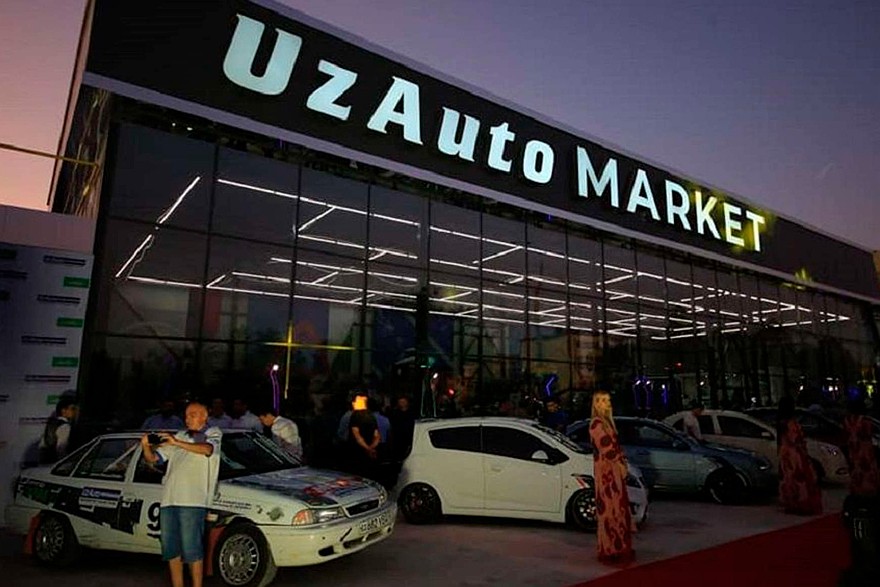
I'll say it again: yes, the automotive industry in Uzbekistan, like the automotive industry of probably any country, has its own problems, yes, there are 'grey dealers', essentially speculators, yes, there is a 'waiting list', which is reminiscent of Soviet times. But at the same time, there is stable demand, stable production, and it all works towards internal stability in the country – because, whatever the situation, you can buy a new car at an acceptable price within a year.
Now let's take a look at the fascinating world of Russian social media, various car-themed channels and websites, and, of course, we mustn't forget the comments from our users. The main impression from all this is simply a 'ninth wave' of negative reviews, a storm of negative emotions and a real barrage of 'first-person accounts' about how, when, where and what broke down on a purchased domestic car.
If I were another conspiracy theorist, I'd probably think that competitors are deliberately working against the domestic manufacturer. But I'm a PR person, so I understand perfectly well that there's no conspiracy here; it's just that negativity always, shall we say, sells better. That's precisely why authors and commentators rarely share positive experiences and favourable impressions – you can't achieve wide reach with that kind of article.
Yes, the clear bias of 'social media journalism' is obvious to the naked eye. But you can't fail to notice how motorists' indignation is growing over the disparity between the price and quality of domestically produced cars. Let me clarify: this applies not only to AVTOVAZ's products, but also to fly-by-night brands whose names are easy to get confused. Yet, for some reason, these are often the ones experts praise.
Corr.: Don't these brands deserve praise?
A.A.: I'd put it differently: too much attention, and it's too often focused, especially on social media, on flashy external factors, on the shell, rather than on what really matters.
Just the other day, I read an article by one expert about how the battle for leadership in passenger car production volume between UzAuto Motors and AVTOVAZ is intensifying. But what seems important to me is not how many cars these two companies produced, but a completely different fact:
According to official statistics for 2025, 673,000 passenger cars were produced in Russia, 48% of which were AVTOVAZ products. But in the same year, almost 1,317,000 new cars were sold in the Russian Federation.
In other words, at present, purely Russian car manufacturing accounts for less than half of the production market within the Russian Federation and less than a quarter of sales volume in its own market. In my view, with such input data, the last thing experts should be worrying about is competition with UzAuto Motors, which isn't even present on the Russian market.
I have always advocated and continue to advocate for multilateral cooperation with foreign partners, but today it seems rather imprudent to put all your eggs in one basket. As they say, friends are friends, but business – in this case, the automotive industry – is business.
Corr.: But still, what can be said about the brands that have come to us?
A.A.: The problem is that when talking about them, you can only rely on personal impressions and general reasoning.
Let me share a memory: when we first met Bo Andersson, he mentioned a sharp 50% improvement in Lada quality. As a former journalist and a typical Doubting Thomas, I ironically asked what such a nice round figure was based on. And Andersson immediately showed data on the increased percentage of body geometry, improved first-time acceptance rates for cars, a reduction in complaints from dealers after cars arrived, a decrease in warranty claims over three months, over six months, and several other similar indicators. It was on this data, along with a whole range of other indicators, that Andersson focused during the morning production meetings.
A brief digression: all heads of key departments met daily at 6:30 a.m. with the company president in a room next to the assembly line, where the meeting was held. There, plans for the day and near-term prospects were clarified, and operational issues were sorted out. A huge amount of time was saved, because it wasn't production staff booking appointments with management, but the company president starting each day by solving their problems.
"Why is the first meeting at half past six in the morning?" I once asked the president. "It's early!"
"The worker starts his day at 07:00. When he comes to his place by the assembly line, he should see his manager and understand that we are all one team, that we've been awake for a long time, that we've thought through his working day and prepared the work front!"
At these meetings, Bo Andersson always, without exception, checked the quality indicators. And he never had any objection to journalists visiting the plant photographing and filming all the diagrams, graphs and reports on quality indicators. Even though, you'd think, these were internal documents.
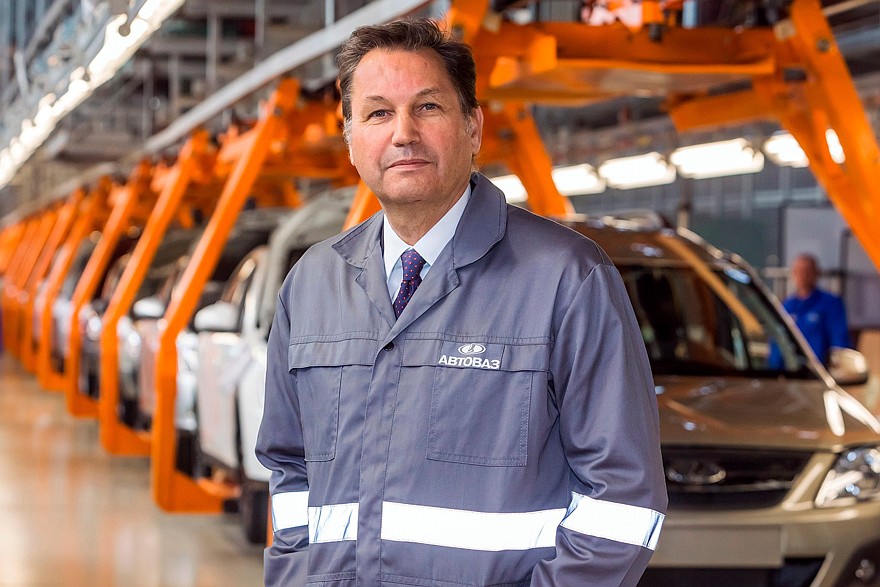
But it was clear, visual, evident, and in the end, it was precisely this open approach that helped overcome the ironically negative attitude towards the Lada brand that prevailed at the time. After all, remember: there was hardly a single KVN or Comedy Club show without some joker having a go at the domestic brand.
Corr.: But what do we really know about the brands that have come to us, about their strengths and weaknesses?
A.A.: You know, in the 1990s, I worked as a correspondent for ITAR-TASS in the USA and first became acquainted with the magazine Consumer Reports. I won't go into a detailed account now, I'll just say that the magazine helps make objective decisions about purchasing goods and services – a sort of 'Buyer's Notebook'. Among other things, Consumer Reports annually publishes car reviews, taking into account all the pros and cons.
So, although four years have passed since 2022, I still haven't been able to find consolidated information about the pros and cons of the 'friendly' brands that have appeared here. Yes, there are plenty of reviews, there are many review websites, but let's be honest: they don't give the potential buyer an objective picture, and their objectivity raises a lot of questions.
Well, if you use open sources and look at what motorists are complaining about, the picture is far from rosy:
- Corrosion appears quickly
- Snow gets into the cabin in winter
- Door handles freeze
- The sunroof leaks
- Air gets into the fuel system
- Errors occur in the engine, gearbox, and power steering
- Lights fog up and fail
- 360-degree cameras cut out
- The bonnet won't open
- The suspension knocks
- Brake problems arise
- The steering column jams
- Climate control works erratically
- An unpleasant smell appears in the cabin
- Very long delivery times for spare parts and components
- Service centres are overloaded due to a high volume of requests
- Sharp drop in resale value
And much more.
Do Russian drivers encounter these and other problems with Chinese cars? Absolutely, yes! But is this list of problems objective? Probably not, after all, because it's completely unclear how often these problems occur and how difficult they are to fix. There is no clear statistics, no analysis of how these problems affect the consumer qualities of the cars.
In short, perhaps consumer protection organisations should take up this kind of analysis. If, of course, they can convince the mass consumer of the real objectivity of the research. Especially if they can also answer the question of how and why current car prices are justified!
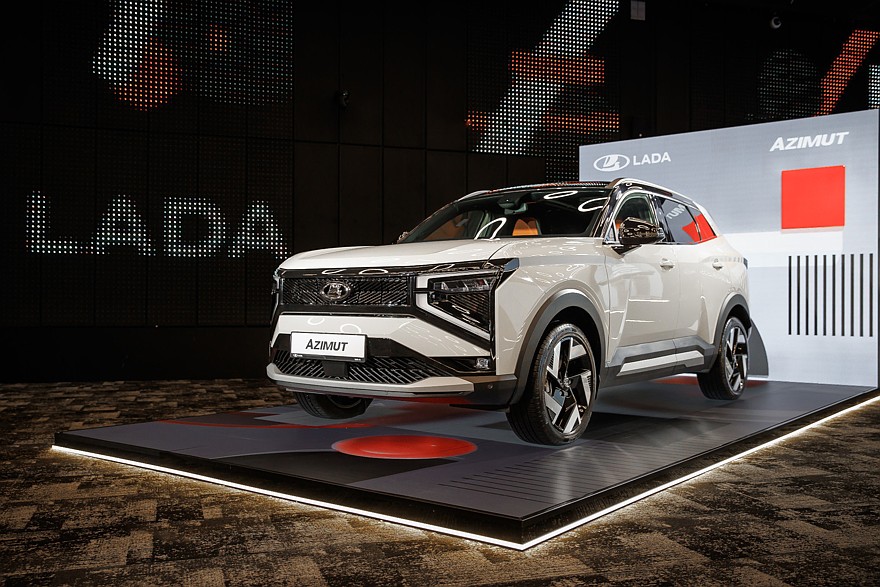
Corr.: And one last question. AVTOVAZ is promising the Russian buyer the Lada Azimut in the very near future. What would you like to wish in this regard?
A.A.: First of all – good luck! And, of course, to try to avoid the mistakes made when sales of the Lada Iskra began. I think it's no secret that the Iskra's launch was seriously botched, when buyers, even after sales started, couldn't find the heavily advertised new model in showrooms for a long time. So, all that promotional steam went into the whistle. I would very much like this oversight to be taken into account when the Azimut goes on sale.
Comments
0 comments