
Why Yuka Drive Gymkhana is One of the Most Excelling Disciplines in Motorsport
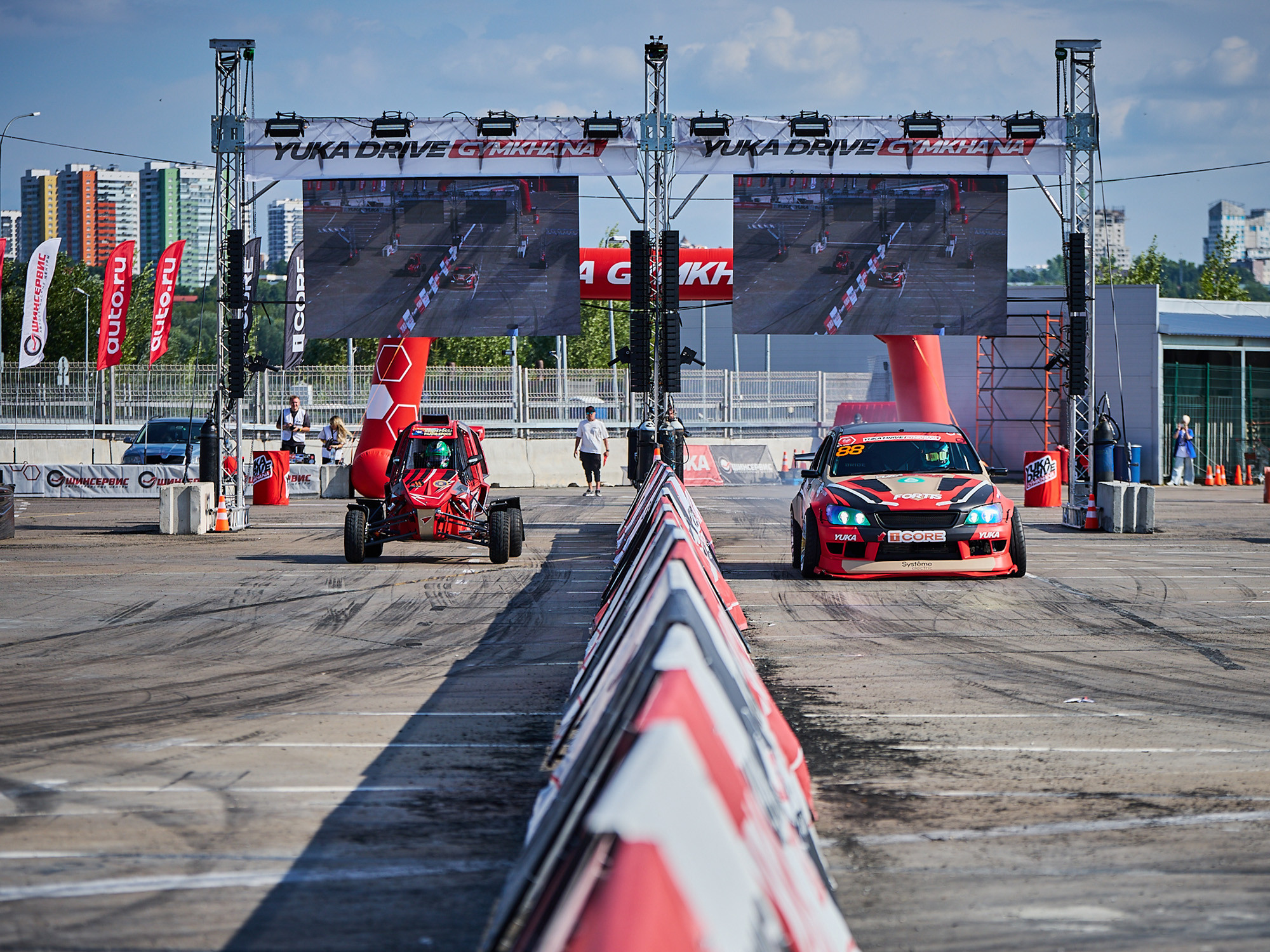
In the 2026 season, Yuka Drive Gymkhana finally ceased to be a competition that only appealed to a narrow circle of enthusiasts. Over the course of a few months, the series managed to hold rounds at the country's largest sports arenas, bring together champions from various disciplines on a single track, launch a full-fledged team championship, and prove that motorsport can exist beyond specialised racetracks.
Now the championship is entering the home straight. Three rounds of the PRO series and two rounds of the regional VOLGA and URAL leagues are behind us, while the final events of the season – which will determine the champions – lie ahead.
The main feature of gymkhana is that it is impossible to win solely on the power of the car. Speed matters, but what matters even more is the driver's ability to literally calculate every metre of the course.
The configuration consists of slaloms, 180 and 360-degree turns, narrow 'boxes', paddocks, pinatas, transitions and high-speed sections. All of these must be completed as quickly as possible without touching a single obstacle. Any mistake translates into penalty seconds, so the driver is constantly balancing between risk and precision. That is why in gymkhana it is often said: faster is not always better.
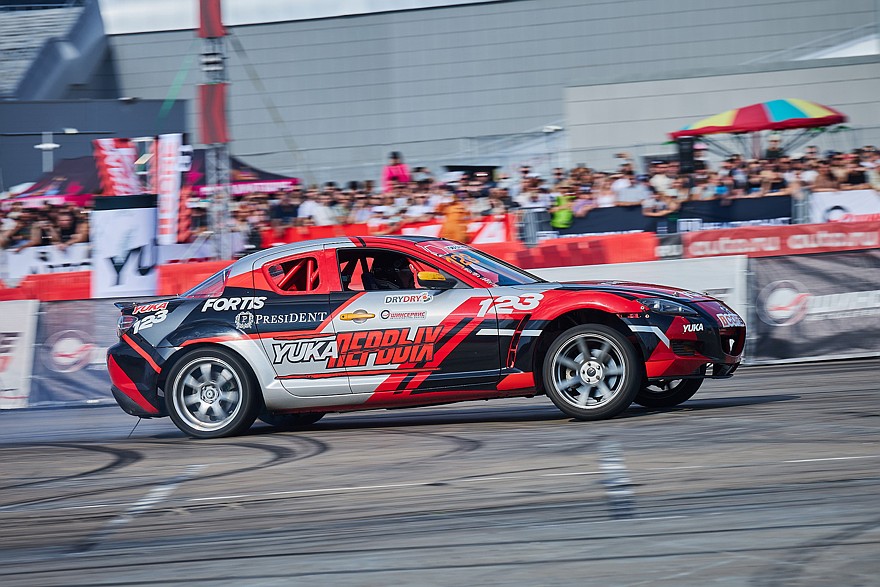
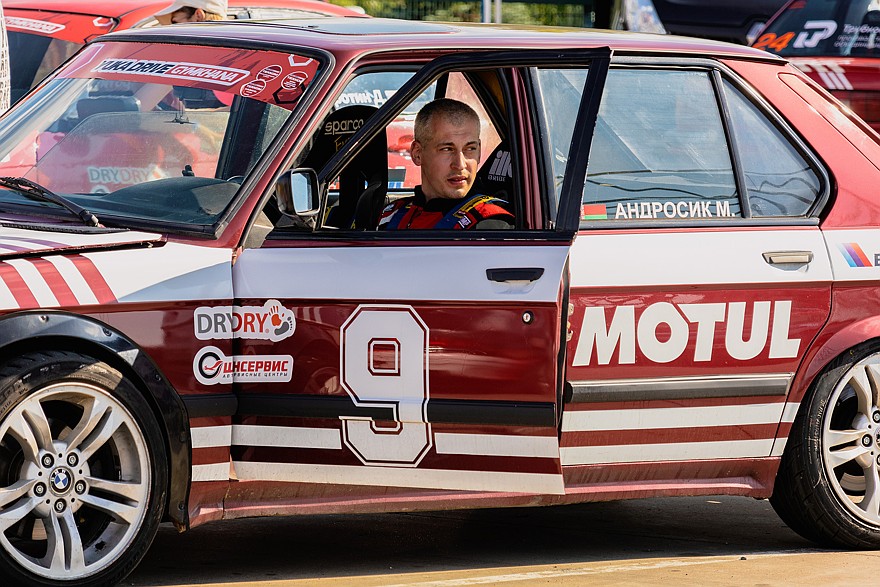
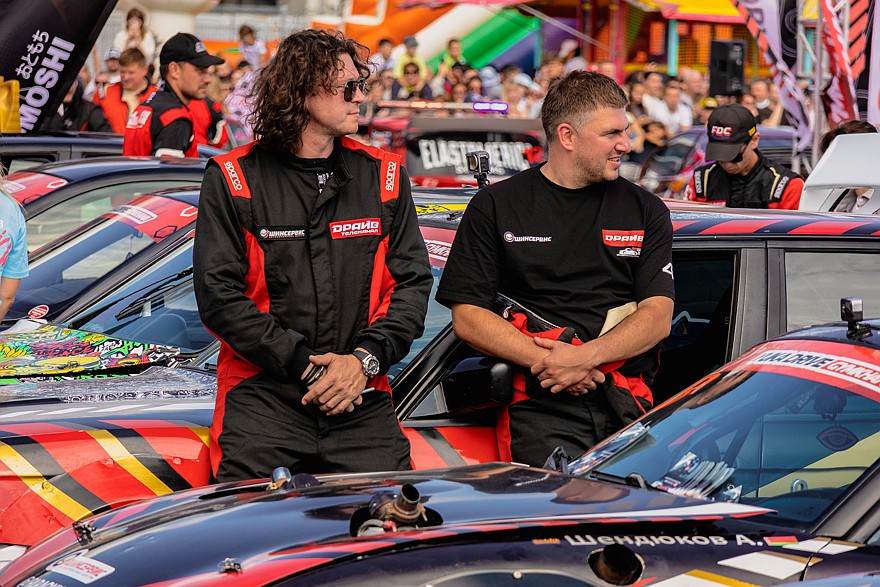
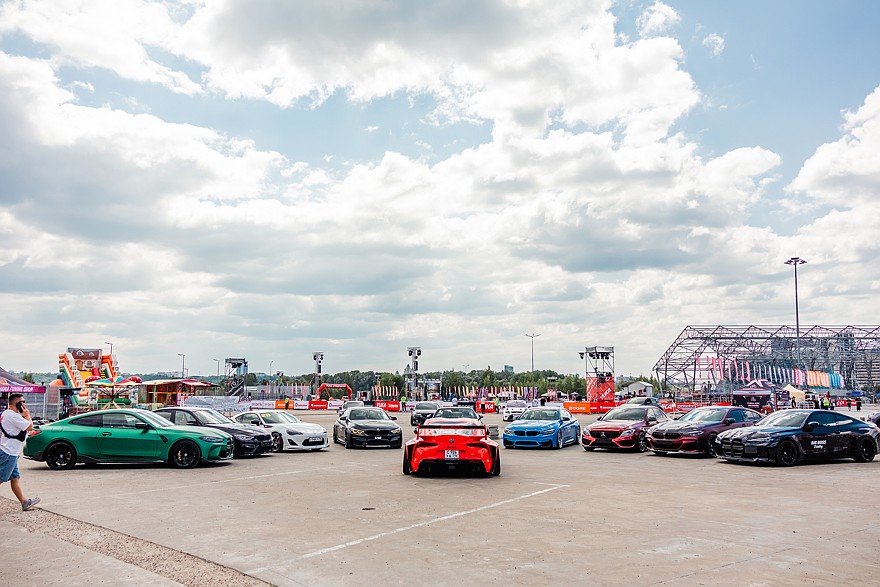
The third round of the PRO series in Kazan was a perfect illustration of this characteristic. The grounds of the Ak Bars Arena were transformed into a motor festival for two days. In addition to the sporting programme, spectators enjoyed a car exhibition, G-Taxi, a drivers' parade, an autograph session and interactive zones, while the stands offered a view of the entire configuration of the mirrored tracks simultaneously – a rare opportunity for competitions of this format.
The race track itself was also unusual. The organisers built it on a concrete surface, providing a high level of grip. Good traction allowed drivers to brake later, accelerate more aggressively after turns and complete elements faster, but at the same time it significantly increased the cost of even a minor mistake.
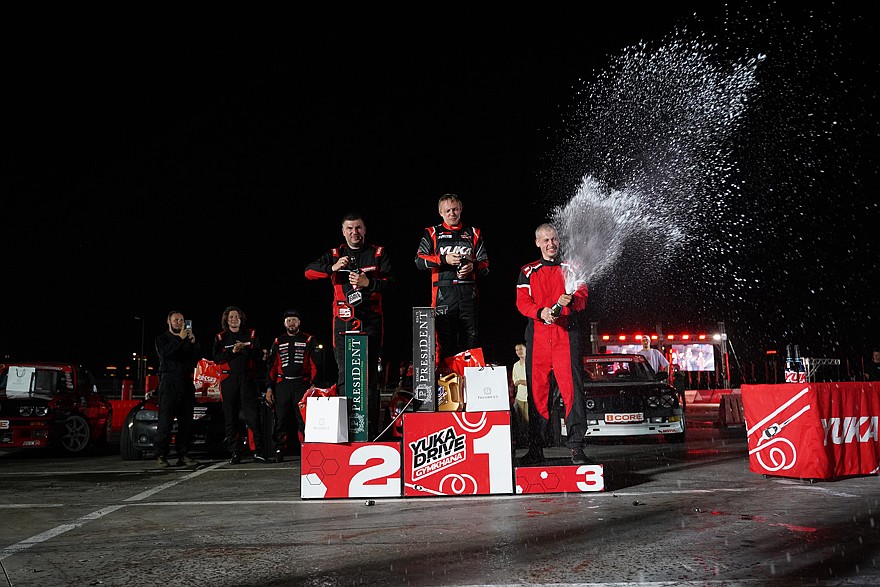
The sporting intrigue fully lived up to expectations. In qualifying, Alexey Shendyukov was once again the fastest, but the battle for victory was only just beginning. As a result, the 32 strongest drivers earned the right to continue, and on Sunday they began competing in a knockout bracket of paired runs. The final predictably brought together the two main contenders for victory – Alexey Shendyukov and Arkady Tsaregradtsev. Shendyukov once again showed a high pace, but in the decisive run he made a mistake, hitting an obstacle. Two penalty seconds cost him his advantage, and Arkady Tsaregradtsev claimed the victory.
An equally intense battle continues in the regional leagues of the Yuka Drive Gymkhana Lite Fortis series. In the VOLGA and URAL leagues, the final rounds of the season are still to be held, where the champions will be decided. For participants, this is not only an opportunity to win a regional title, but also a chance to move up to the next level: the winners will earn the right to compete in the PRO series final alongside the country's strongest drivers.
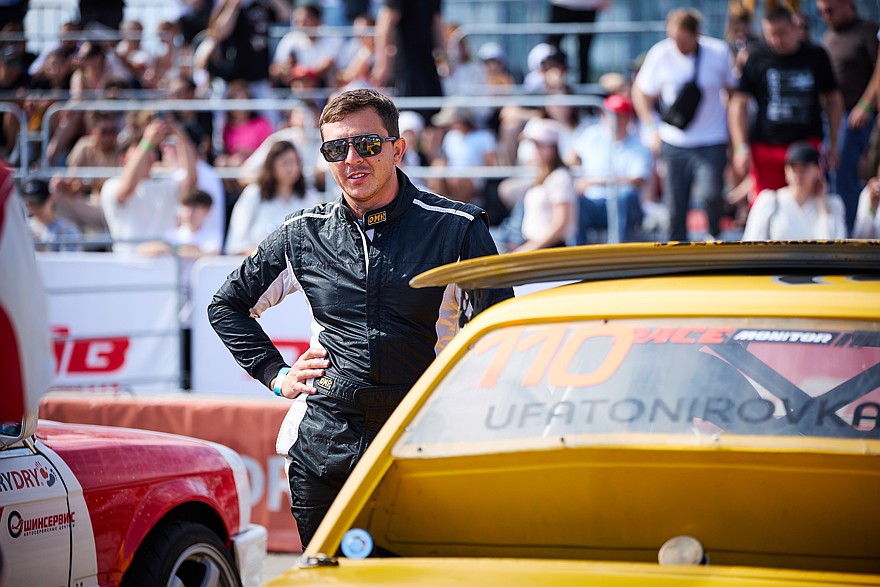
It is this system that is now becoming one of the main advantages of Yuka Drive Gymkhana. You can start in the regional series, then move up to the professional championship and compete there against recognised masters of motorsport. For the Russian automotive scene, such a vertical structure remains a rarity.
The final rounds of the season promise to be just as tense as the previous events. In the PRO series, the Champion has yet to be decided, the team standings remain intriguing, and in the regional leagues, the leaders are separated by just a few points. So what lies ahead is not merely the end of the calendar, but the culmination of a season that has been one of the most significant steps forward for Russian gymkhana.
Partner content
Comments
0 comments