
Genesis eyes Ferrari with this fire-breathing mid-engined GT3 race car
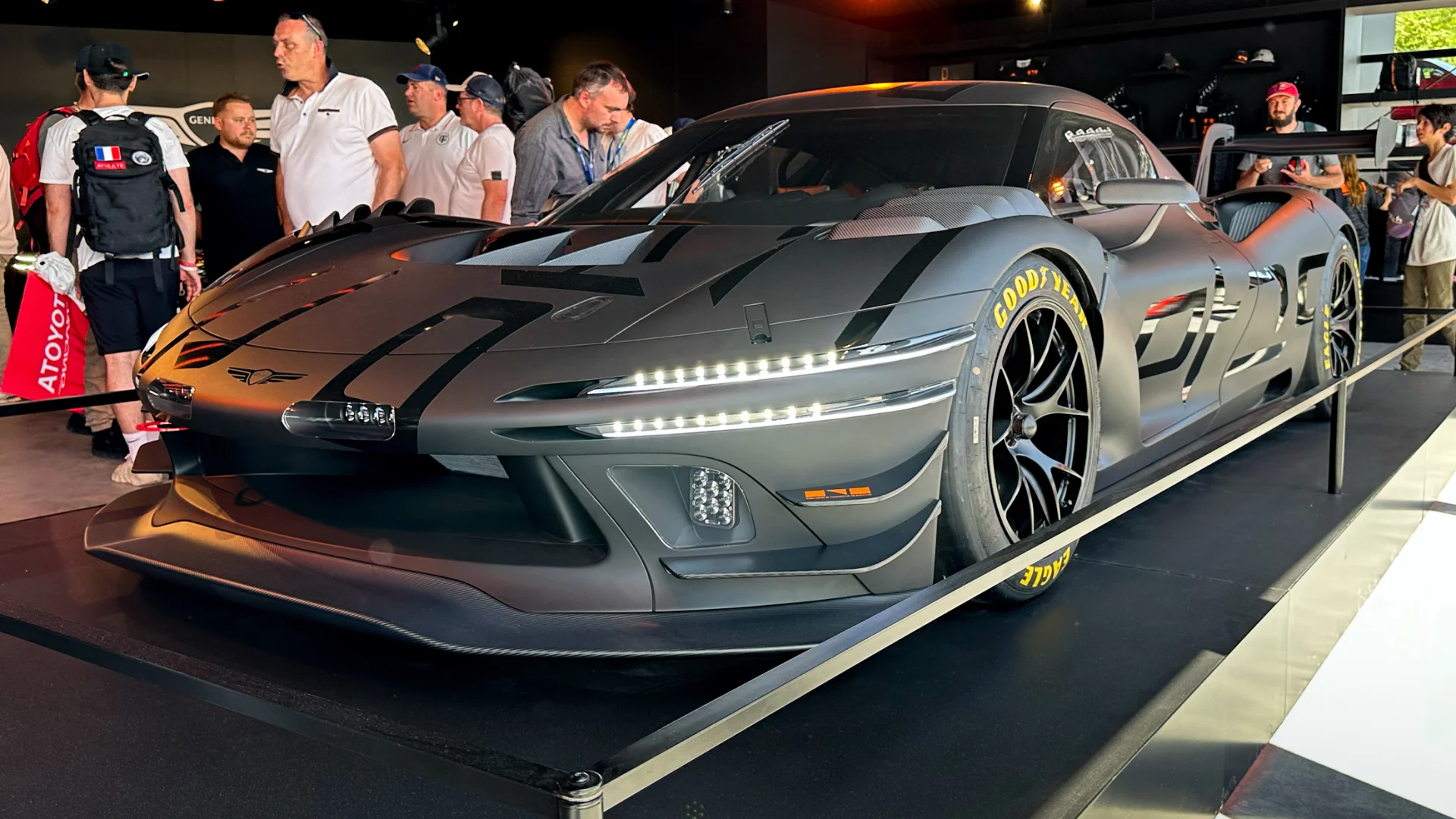
Genesis has officially performed a complete U-turn on its all-electric ambitions, unveiling a host of combustion-powered concept cars designed to take on some of the biggest names in the performance car sector. The mid-engined GT supercar is set to be its flagship, and it revealed a GT3 variant at the 2026 Le Mans 24 Hours. We saw it for ourselves.
Building on the two-seat Magma GT, a concept it updated less than a year after its initial reveal, Genesis says this GT3 is one of the potential pathways it may take to expand its motorsport division beyond LMDh with its race-proven GMR-001 Hypercar. Genesis states that ‘development pathways are yet to be defined’ in a cryptic statement, but the very existence of this car is certainly a good sign.
> The Genesis Magma GT supercar has received an update before it has even arrived
Genesis says the Magma GT3 takes a ‘performance first’ design approach, building it from the ground up. It has been developed in collaboration with sister company Hyundai Motorsport in line with GT3 regulations, widening the track of the road-spec Magma GT, adding enlarged intakes and ducting, and a comprehensive aero package including a huge rear wing, diffuser and front splitter.
In person, it’s immediately clear that this is no clay model mock-up of what Genesis hopes it might one day achieve. This is, for all intents and purposes, a fully-fledged, race-ready GT3 car on the surface, finished to a standard far above any ordinary concept car – it even has a full interior, which certainly isn’t the case with most cars at this stage of development.
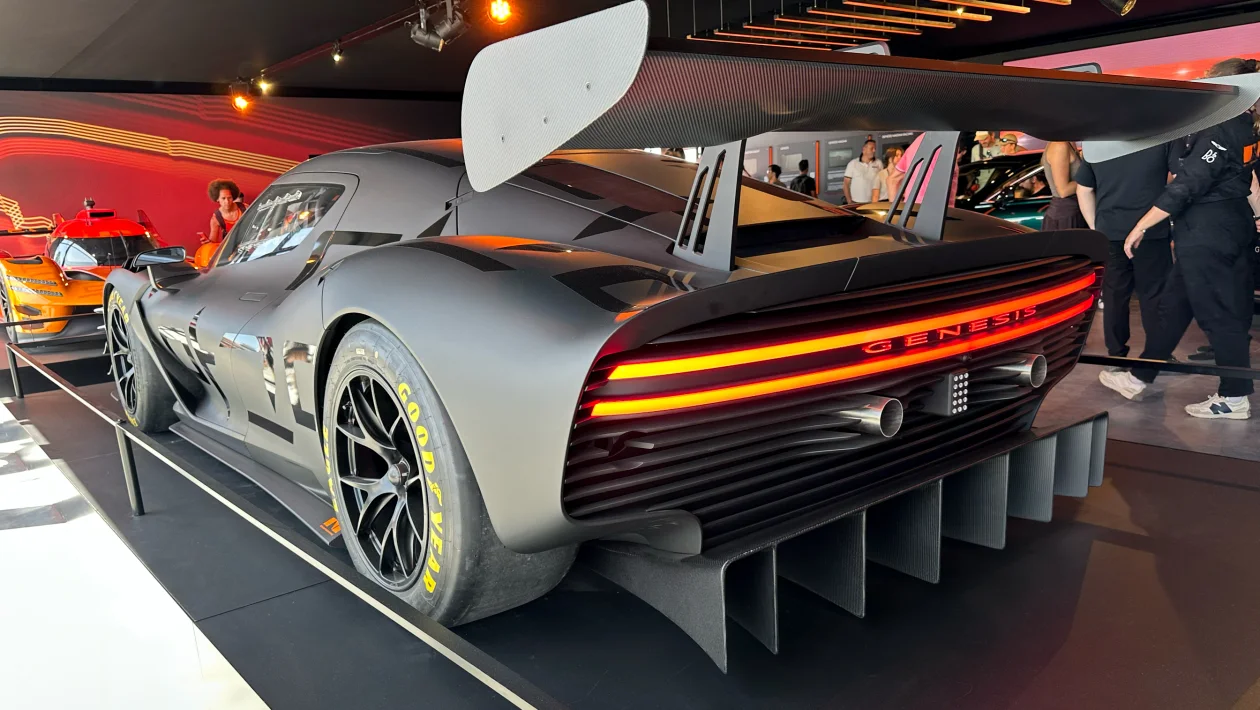
Precisely which engine will lie at its core is not yet confirmed. Genesis has a 3.5-litre twin-turbocharged V6 in its current range, but what we really hope will make its way into this car is a development of the 3.2-litre twin-turbocharged V8 in its GMR-001 Le Mans Hypercar, developed in collaboration with Oreca.
There’s no development timeline set for either the GT3 or its road-based GT counterpart, but initial signs that they will one day make it to market are promising.
Comments
0 comments