
How to Choose a Second-Hand Audi A7
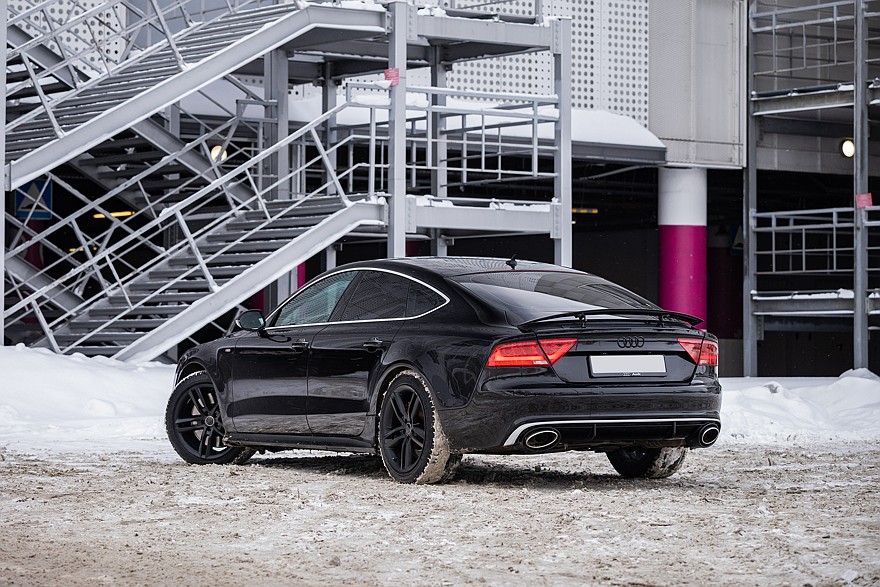
The strange format of a large hatchback with frameless doors, which marketers began to call a "four-door coupé", became very fashionable at some point. And in the Audi line-up, the A7 model appeared, which is essentially a slightly more expensive version of the A6 saloon, but positioned half a step higher, closer to the A8. The car turned out not to be the most complex (by Audi's standards, of course), but it was attractive, which is why first-generation cars in the C7 body still generate interest today. But is it worth getting involved with them on the second-hand market? Today we'll tell you what to expect from the body, interior and electrics of this car, and in the second part we'll discuss its suspension, engines and transmission.
Technology
The first-generation Audi A7 is another car on the MLB platform, and the only serious differences from the A6 and A5 are the frameless doors and the liftback body. The car's body is steel, including the front longitudinal members and the passenger cell, but the front suspension strut tops are aluminium. Almost all external body panels are also made from this metal, including the bonnet and boot lid, but the roof and rear wings are steel here.
The technology is also far from unique. The model's main engines are the petrol V6 units from the EA837 family and the diesel EA896Gen2, EA897 and EA897Evo units producing 204-333 hp. However, in a number of markets, the car was also offered with traditional inline "fours" from the EA888Gen3 family with displacements of 1.8 and 2.0 litres and outputs of 190 and 252 hp. And the S7 and RS7 versions were equipped with supercharged V8s from the EA824 family producing 420-605 hp. Front-wheel-drive versions with 2.0 TSI, 2.8 FSI and 3.0 TDI engines could be fitted with CVTs or a 7-speed dual-clutch gearbox, while all-wheel-drive versions could have either 7-speed dual-clutch gearboxes or 8-speed conventional ZF automatics in the most powerful versions.
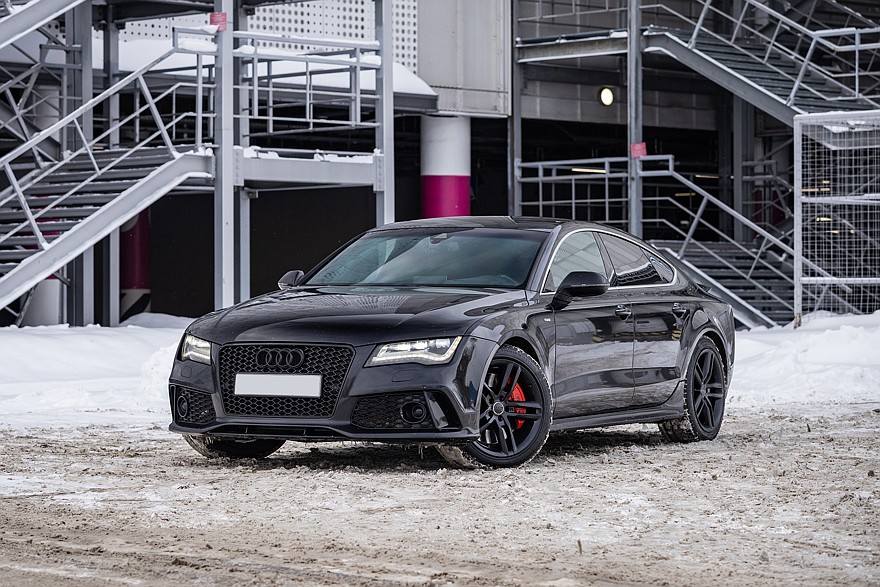
Formally, it all sounds rather dull: the Audi A7 is a five-door liftback with a steel body in which aluminium is used mainly for the external panels. The engine is mounted longitudinally, ahead of the front axle. The standard drivetrain is front-wheel drive, but the majority of cars on the market are all-wheel drive. The suspension is multi-link on both the front and rear axles.
Its positioning in the flagship segment is most clearly reflected in the A7's equipment: there are no poverty-spec versions of the car, and the options list includes everything that was available for the Audi A8. There's air suspension, night vision and matrix headlights. But the quality of the interior is still lower than that of the flagship, and the practicality of the liftback body doesn't quite match that of an estate. And the frameless doors don't prove to be a particularly successful solution in our conditions either.
Timeline
January 2009. The Audi Sportback Concept, the forerunner of the A7 model, is unveiled at the Detroit Motor Show.
27 July 2010. The model is officially presented in Munich at the Gallery of Modern Art.
October 2010. The model is officially presented at the Paris Motor Show. One body style, automatic gearboxes only. Engines – six-cylinder: petrol 2.8 FSI (204 hp) and 3.0 TFSI (300 hp) from the EA837 family. Diesel – 3.0 TDI producing 204 and 245 hp from the EA896Gen2 family.
The lower-powered engine versions could be combined with front-wheel drive and a CVT, while all-wheel-drive cars were equipped with the 7-speed DL501 dual-clutch gearbox.
December 2011. A new version of the 3.0 TDI engine with twin turbocharging from the same EA896Gen2 family appears, but producing 313 hp. Available only with all-wheel drive and the 8-speed ZF automatic.
March 2012. The S7 version is released with a 4.0 TFSI engine from the EA824 family producing 420 hp. It is equipped only with all-wheel drive and a 7-speed dual-clutch gearbox. A new version of the 3.0 TFSI engine producing 310 hp is introduced.
August 2013. The top-of-the-range RS7 version is released. Its 4.0 TFSI engine now develops 560 hp and is equipped with an 8-speed automatic.
May 2014. The model is facelifted. The car receives bumpers from the S7 version, a new MMI multimedia user interface system and numerous minor changes. Four-cylinder engines are announced for Europe. The S7 version is updated: it becomes more powerful – 450 hp, and the three-litre diesel engines for versions producing 218 and 272 hp are updated to the EA897Evo generation.
August 2014. The most powerful diesel version of the A7 is released with a 326 hp engine and an 8-speed automatic.
Autumn 2014. For the European and Chinese markets, a version with 2.0 TSI and 1.8 TSI engines from the EA888Gen3 generation is offered. Drive – front-wheel drive only, gearbox – the new 7-speed DSG DL382 dual-clutch unit.
October 2015. A limited series of the 605 hp RS7 appears.
Summer 2017. Production of the model is wound down.
Body
External panels
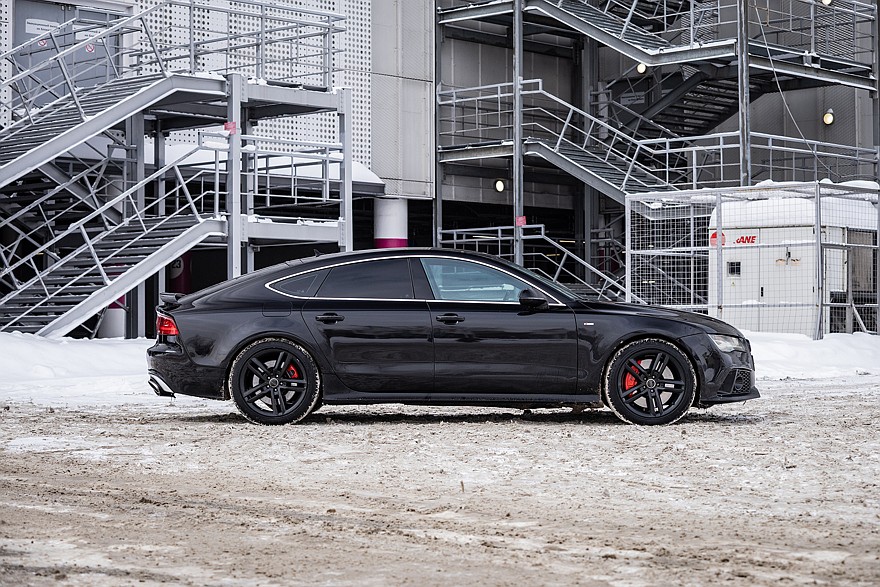
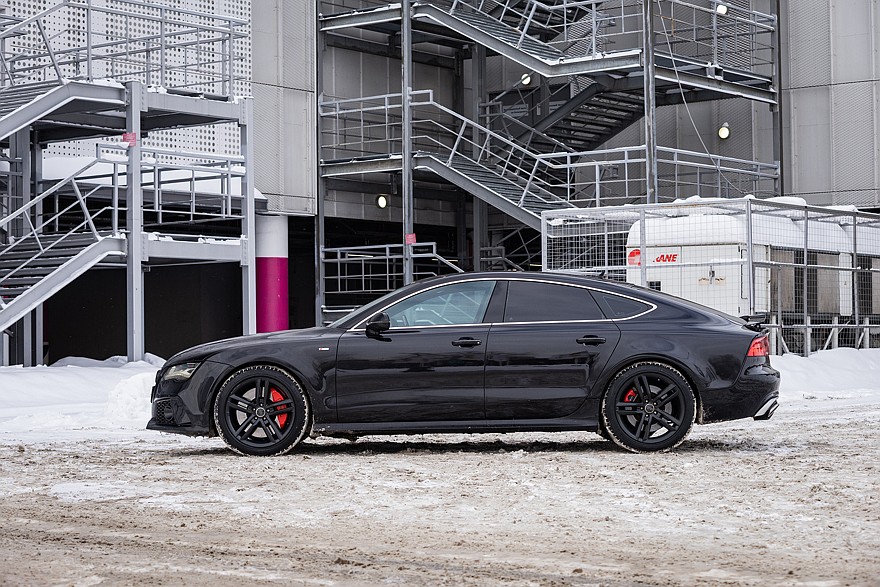
When inspecting an Audi A7 on the second-hand market, you should be particularly thorough in looking for signs of damage to the aluminium panels resulting from accidents: perfectly straightening even small dents on them is too expensive and troublesome. Another problem is the bonnet, the front of which suffers badly from stone chipping. Unfortunately, even now many spray painters don't know how to properly prime and paint aluminium. And there's always a chance of seeing its coating peeling off the surface after a repair.
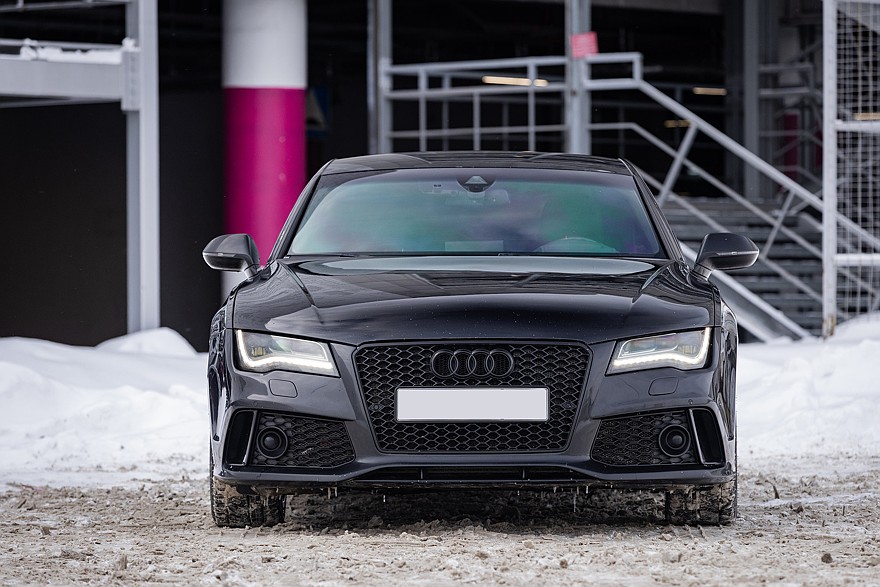
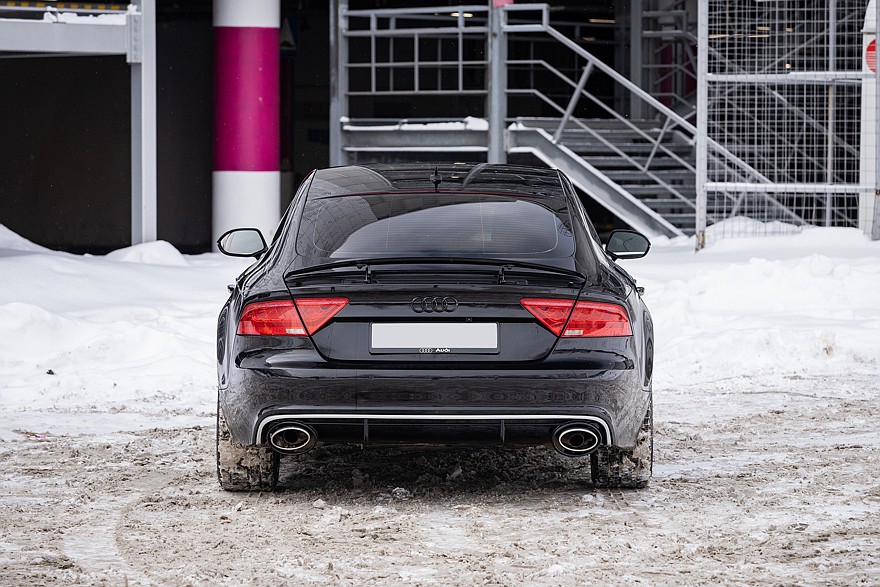
On the rear wheel arches, wings and the front edge of the roof, you can also look for plain old corrosion. And there's a chance of finding it, because Audis built between 2010 and 2016 were already painted "like everyone else" – with a thin layer, without an excessive amount of sealant on the seams, and the galvanising of the steel turned out thin and delicate. Of course, with a minimum price of over a million, the chances of the car being frankly rotten are slim. It's more advantageous to repaint the car than to lower the price when selling. But owners vary, as do the cars' histories.
The rear arches are usually already resprayed, because peeling paintwork at their junction with the bumper is a common "ailment". Alas, sometimes the quality of the respray leaves much to be desired: you can find peeling lacquer and corrosion hidden under the plastic sill cover, because they couldn't be bothered to remove it during the work. Also inspect the joint with the rear bumper carefully: despite the fact that it's bonded with double-sided tape from the factory, the paintwork at the joint with the plastic still suffers. Moreover, the seam of the wing and the inner panel is very close by, which is dangerous and expensive to repair. Carefully inspect the windscreen frame as well, where runs are often visible in the corners of the roof, and rust cannot be removed there without cutting out the glass. Working with the glass is also expensive, and there's a risk of damaging it.
Underneath
Light corrosion on the underside isn't all that scary. Every Audi A7 owner should know this, because the brand, which traditionally delighted with the quality of its rustproofing, this time did something stranger and even more alarming. For example, the seam of the front longitudinal member rots away under the sealant, and the aluminium suspension strut top suffers from corrosion. The thing is, they're fastened not with adhesive but with rivets, and something was clearly miscalculated, because the lower thin part of the aluminium structure simply dissolves to the point of cracking. You can't weld it – it's aluminium, and the weld won't be any stronger than the adhesive. Try not to buy a car with this kind of problem. It's not the result of an accident, and this very unpleasant issue is found even on cars that have been in single ownership since purchase. The internet is full of stories about corrosion of the strut tops on the Audi A7 C7 and A6 C7, with the A7, which has slightly less ground clearance, suffering noticeably more. In short, inspecting the front arches under the wheel arch liners and from inside the engine bay on this car is essential.
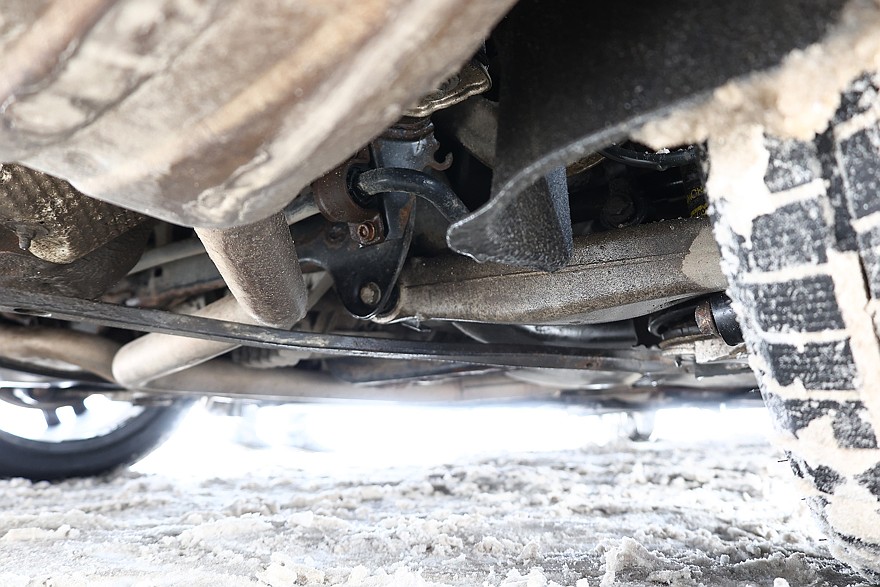
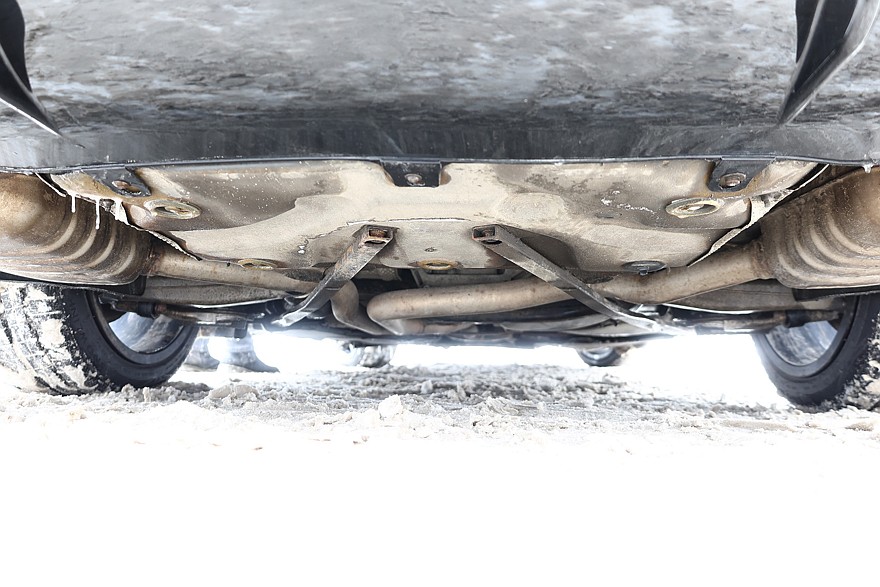
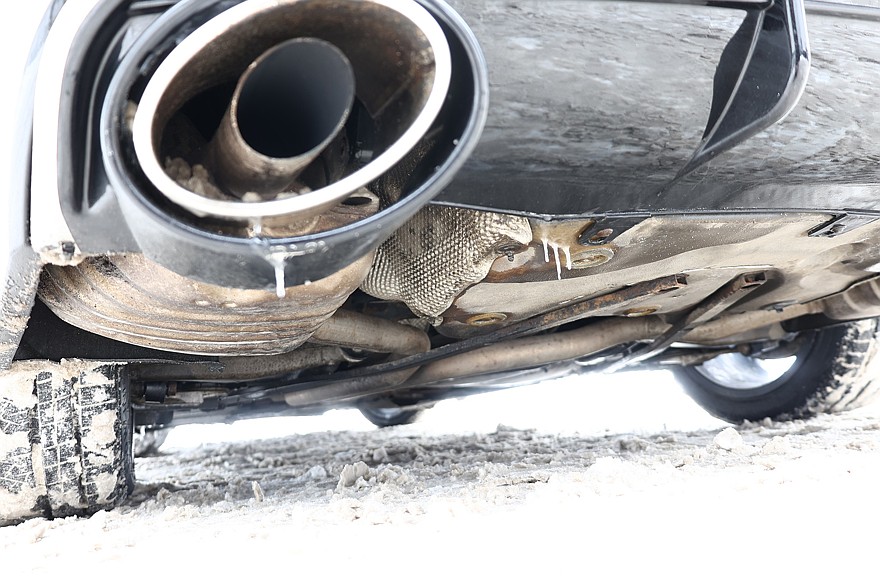
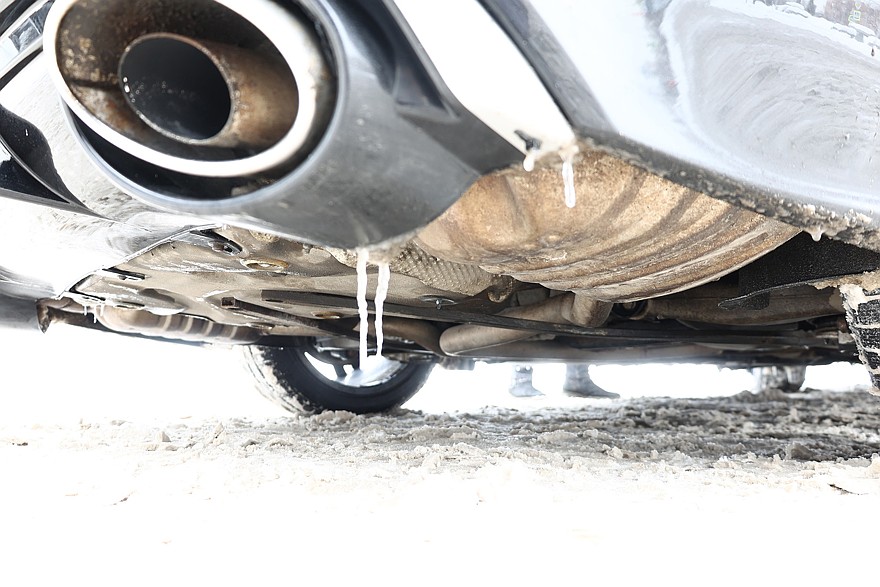
Corrosion of the floor pan under the plastic is usually found on cars from Moscow or St Petersburg. It doesn't pose a serious threat, but occasionally you come across examples with fairly deep damage. Presumably, from owners with damp garages or those who like driving through puddles. Things are also tricky in the rear arches: under the liners, small pockets of corrosion are almost always present, and if you're unlucky, the arch can be almost completely rusty from the inside.
Surprisingly, the sills under the plastic are in good shape. The joint between the plastic cover and the rear arch mainly suffers, and sometimes the very edge of the upper part in the door opening.
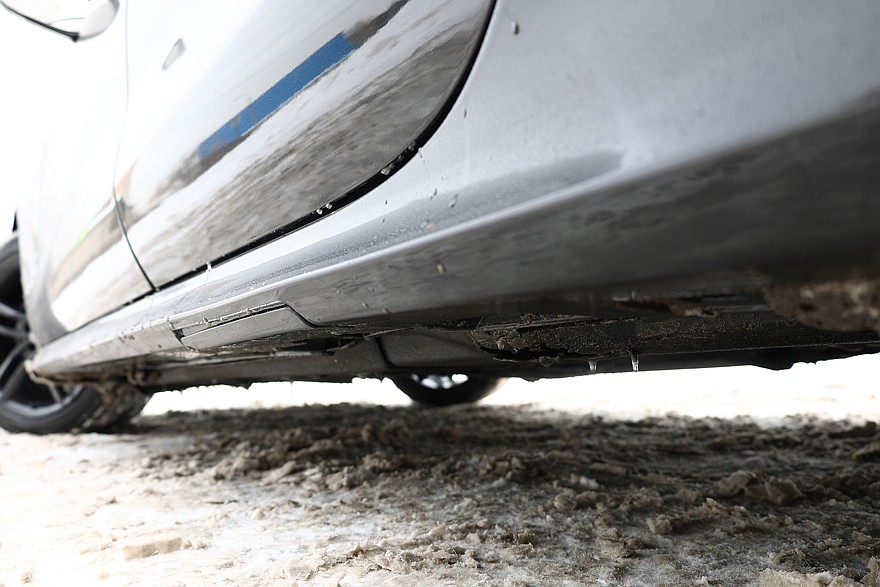
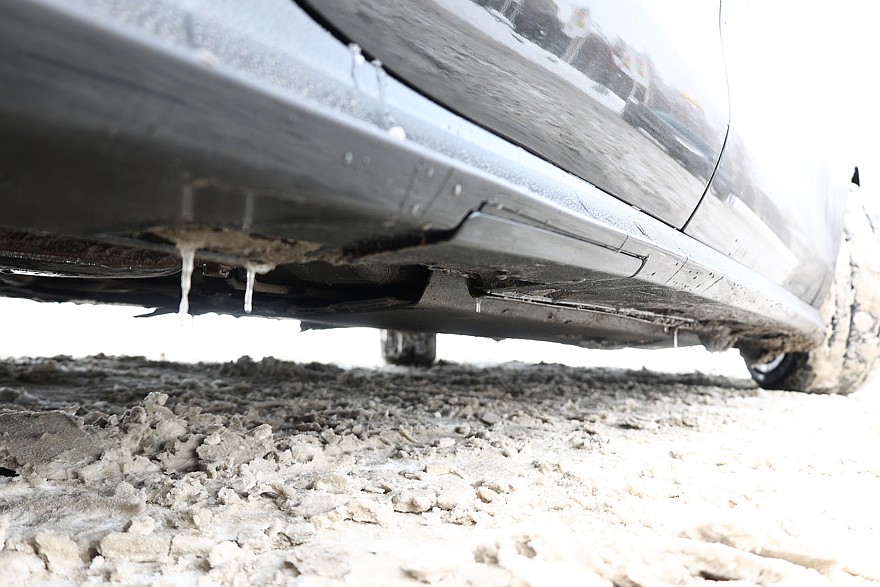
Despite the frameless door design, the interior is usually dry. But if the car has spent a long time in for repair, then there are possibilities. With a discharged battery, the glass folds the seal, and the opening isn't fully sealed. And since the car is technically quite complex and expensive to repair, it can sit in a workshop for six months.
Body equipment
From a mechanical point of view, the body equipment is usually fine: the hinges don't sag, the wipers work, and the window regulators are still behaving themselves. The only thing is that the fuel filler flap motor fails, but that's a problem common to all cars built on the MQB and MLB platforms. Headlight problems are usually limited to either simple clouding or electrical faults. I'd say that in many ways the car behaves like a model "Japanese" car, but then again – the electrics. They're everywhere here, and errors relating to the mirrors, window regulators, surround-view cameras, headlights, parking sensors, lights and so on happen, perhaps not often, but constantly. And they're sometimes not at all cheap to fix.
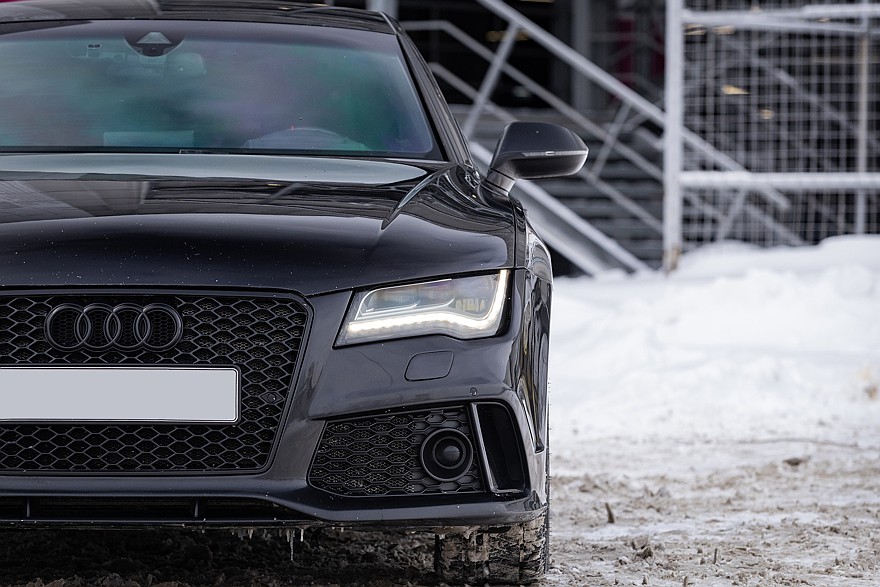
Overall, the abundance of mechatronic systems shifts most of the car's problems into the "electrics" category. It's worth noting that the components themselves are very expensive: even second-hand sets of sensors, headlights and other elements can cost as much as a quarter of the car, and there's no excess of supply. If the car has been stripped or damaged in an accident, restoration can be very costly.
Interior
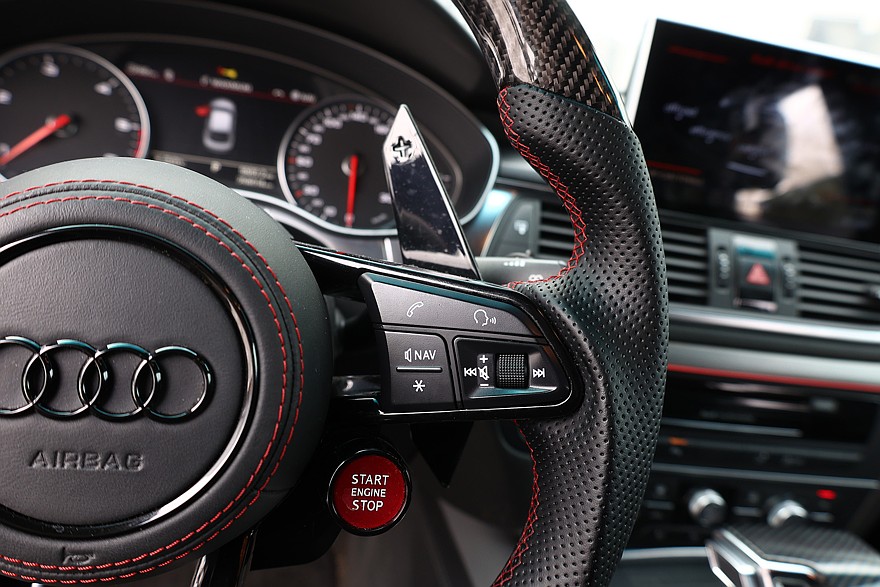
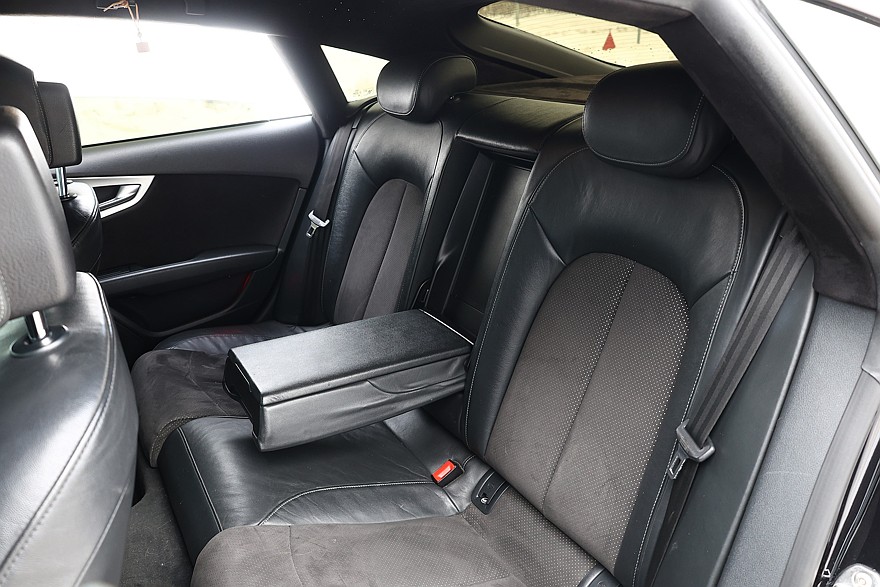
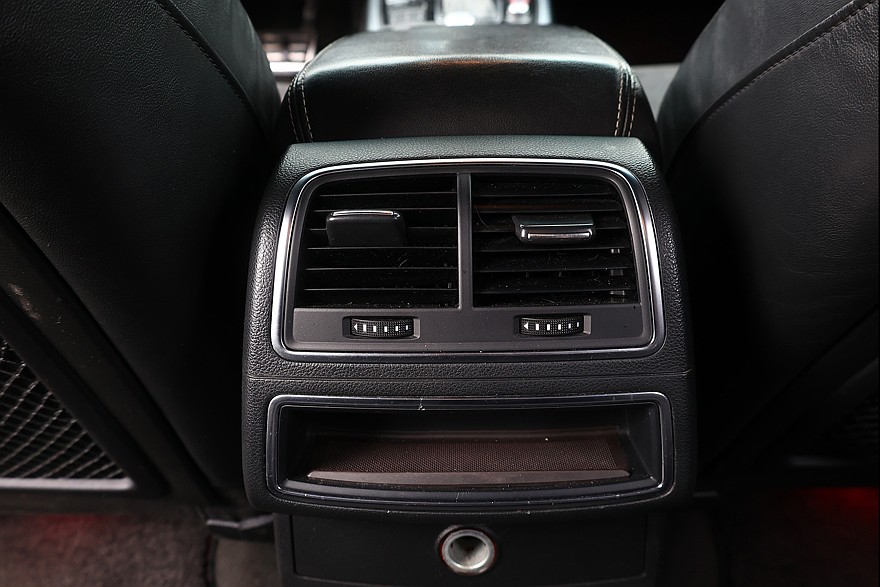
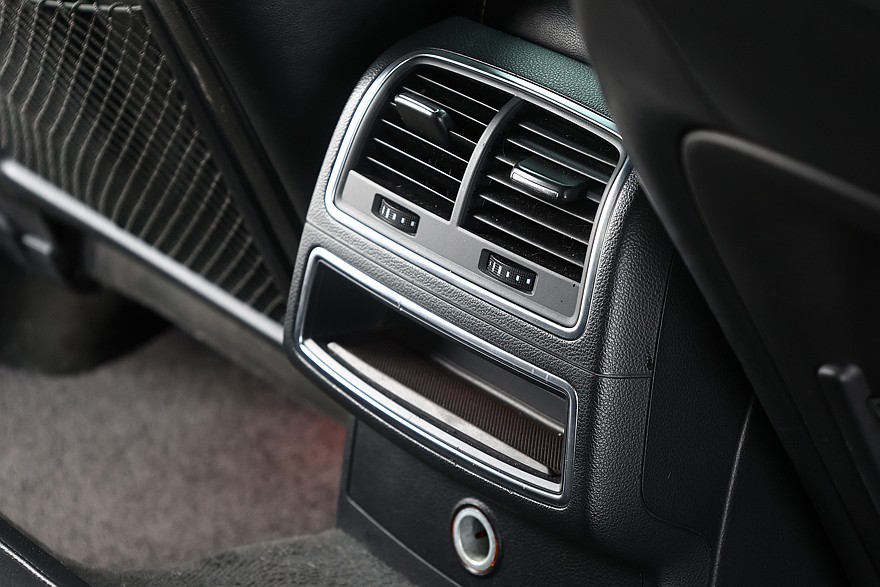
The interior of the Audi A7 is beautiful, as befits a car of this level. The ergonomics are still very good, and the quality of the interior is perhaps even better than that of the latest-generation A7. That's understandable: the interior materials of pre-facelift cars were at a superb level, and even in the cheaper trim levels, drivers were treated to genuine leather and very high-quality interior fittings, with perfectly judged and excellently placed buttons.
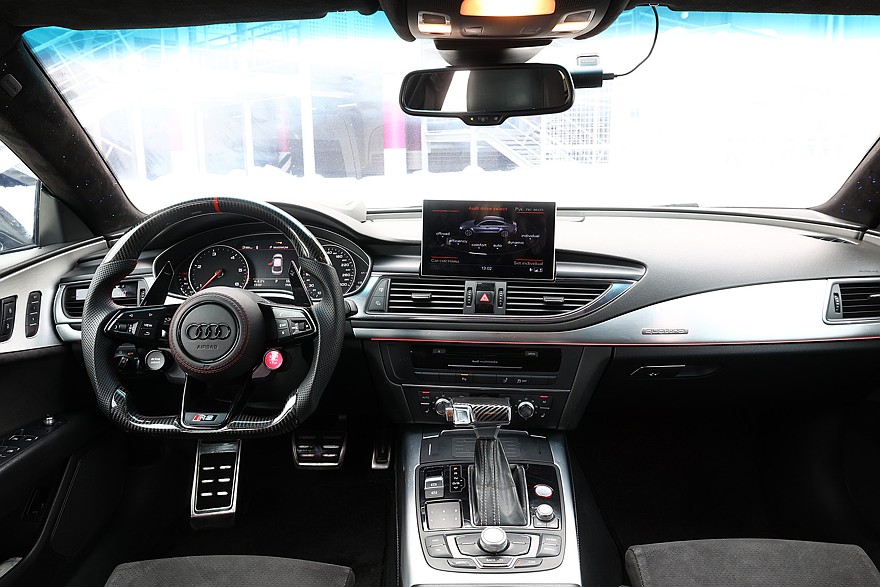
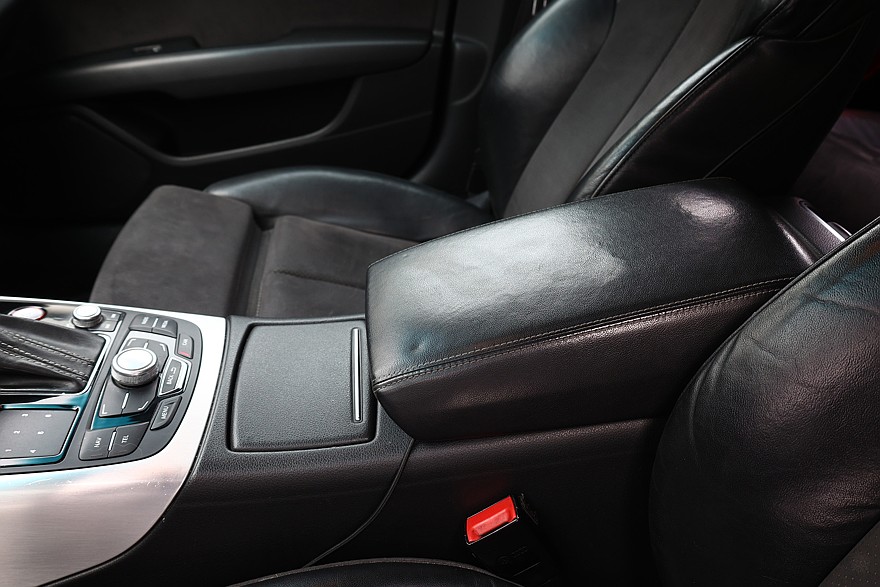
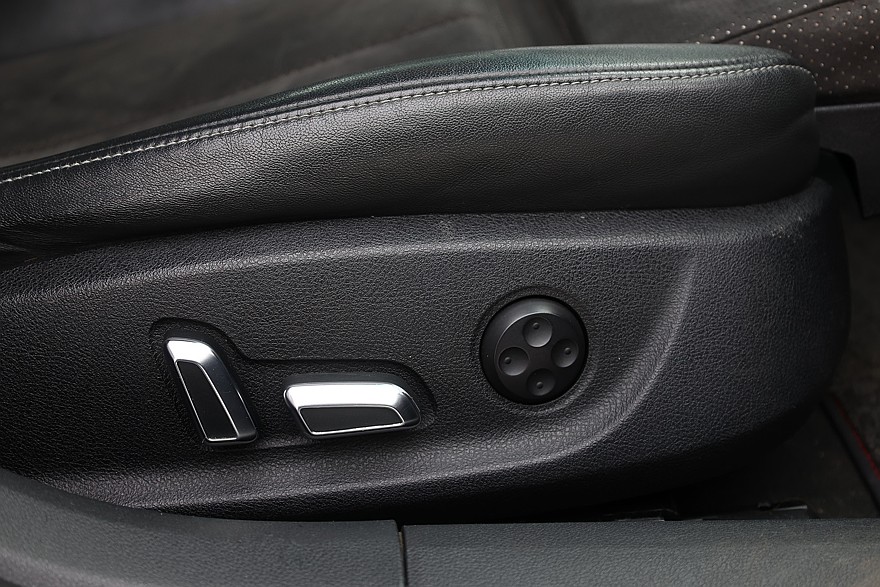
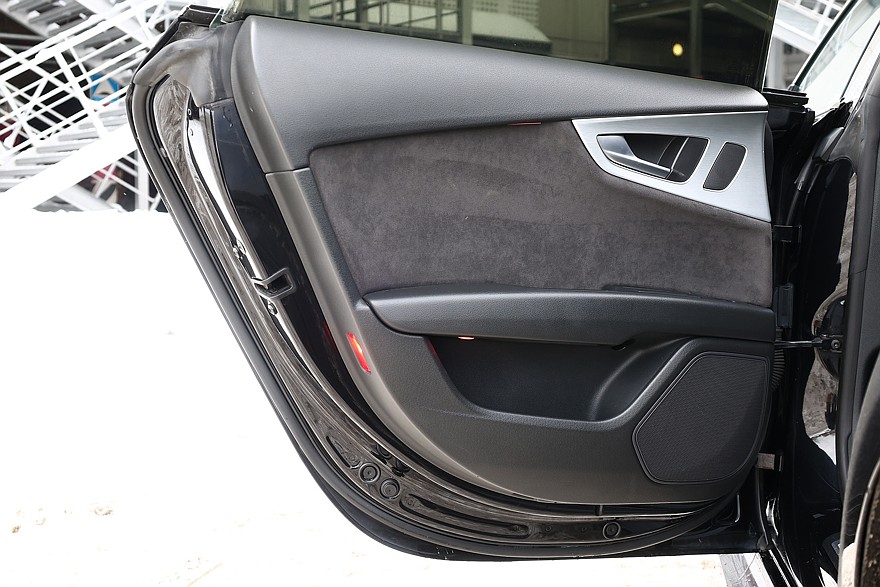
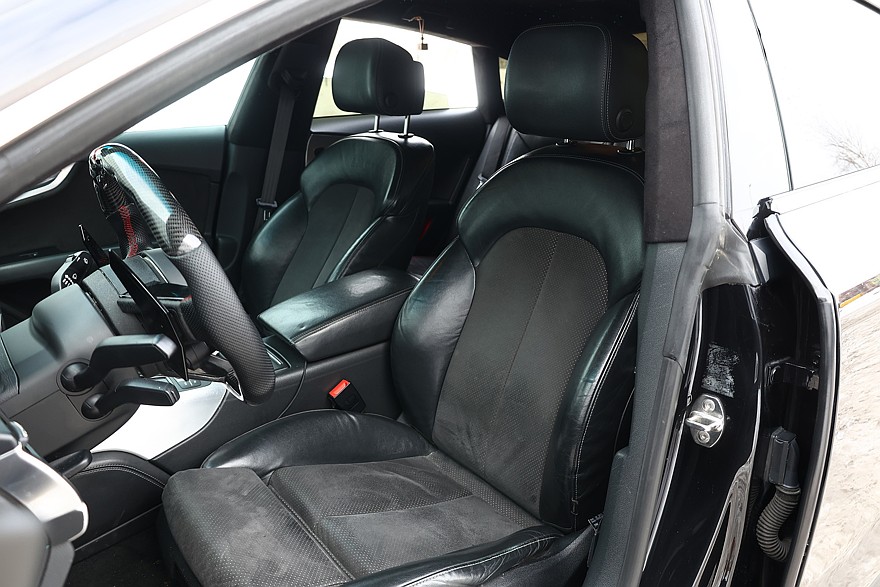
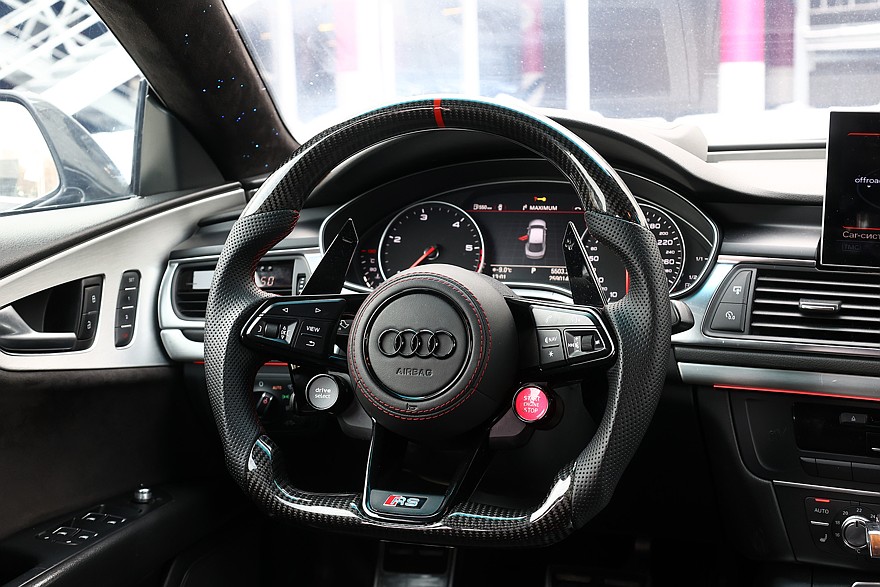
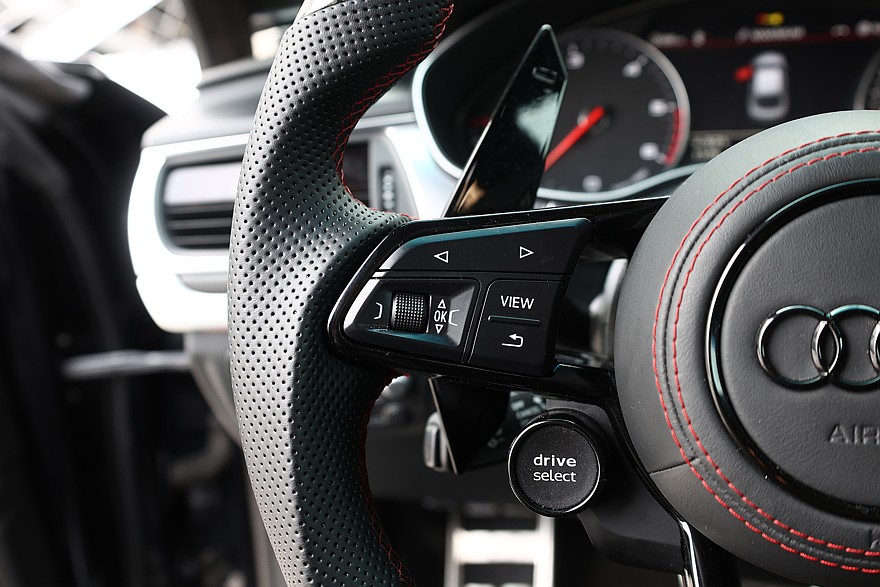
Pleasingly, the interior retains its appearance up to 300,000 kilometres with good care. At any rate, steering wheels are re-trimmed due to complete loss of texture at around that mark. The driver's seat also holds up well, but here things depend more on the driver's build, habits and the car's specification. The slightly wide front seats keep their bolsters intact even with considerable mileage, but burnt-out heating mats, scorched covers and other unpleasantries do occur, and light-coloured leather yellows quite noticeably.
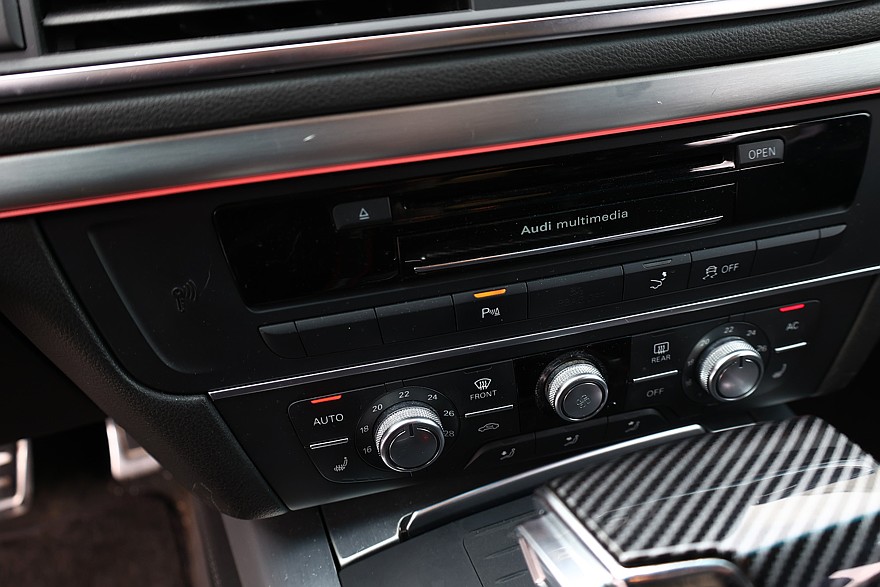
There are usually no problems with the climate control, although you might wish for a more durable heater blower motor, which can start to whine a bit at mileages over 200,000 kilometres. The air conditioning isn't causing owners much concern yet, except that its condenser is gradually losing its fins: in these generations, Audi had already switched to lightweight designs.
Electrics
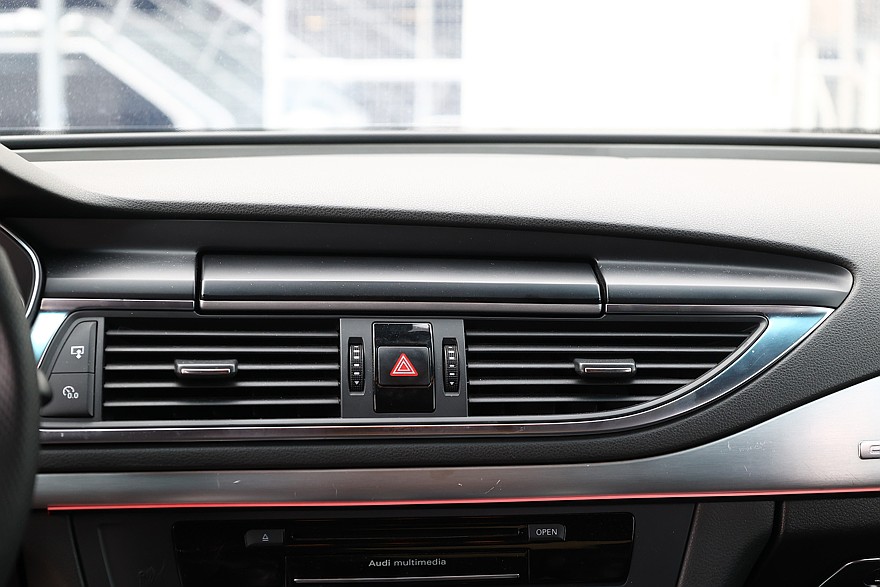
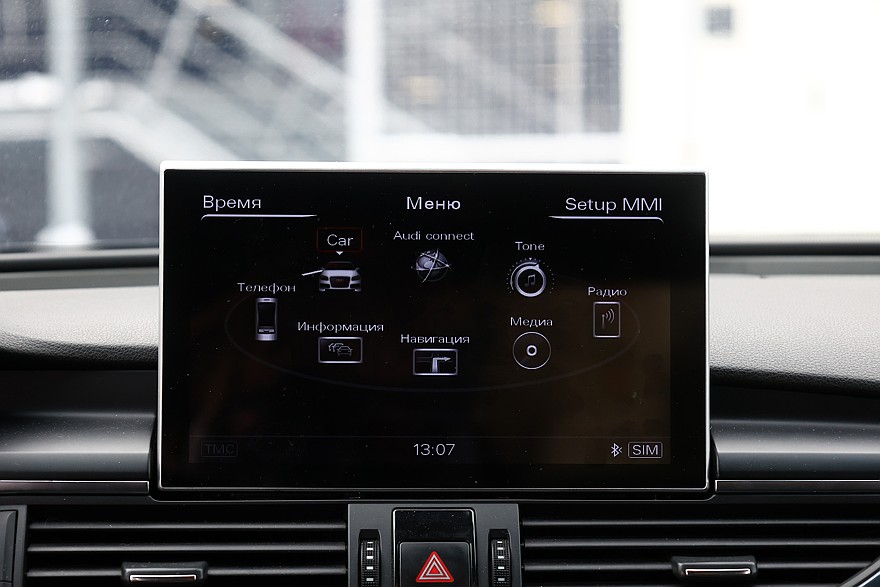
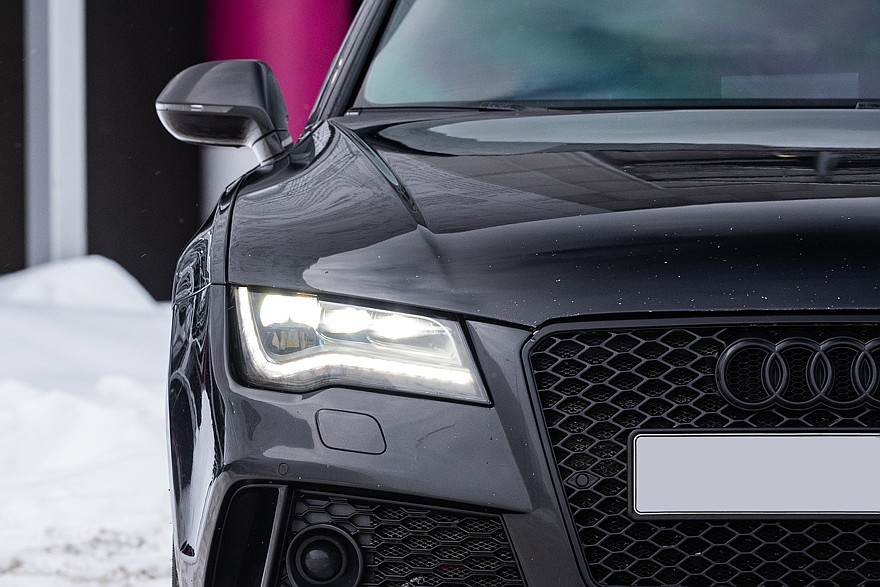
If you're a perfectionist, this car can easily drive you mad and empty your wallet. Because glitches and errors appear frequently and multiply if they're not sorted out immediately. Owner forums resemble gatherings of mourners, and for good reason. Some people's MMI screens don't work after an update, or even for no apparent reason. Often there's no connection to Android Auto and Apple CarPlay. Others have headlight failures: the level adjustment may stop working, the "eyelash" DRL either lights up, doesn't light up, then lights up again but not fully, or one of the lenses switches on erratically. These problems are usually caused by a flooded headlight control unit, which is poorly positioned. But sometimes the firmware "crashes" or the headlight itself fails. Some of them, like the top-spec matrix units, cost more than 200,000 roubles per set, and there's plenty to go wrong with them.
Seat memory and control modules fail: they don't remember settings, don't activate the massage function, or don't adjust. Parking sensors die, as do the boot opening sensors (yes, there is one), vehicle presence sensors, door handles and ride-height sensors. It's worse if the starter-generators on the RS7 fail due to weak control boards. And sometimes the ABS sensors, start-stop system, radars or the surround-view system stop working, all of which require dealer equipment and access to modules for proper calibration. And when replacing them, problems arise with component protection, which hasn't been fully removed, so for the most part, replacing any module also means paying for the labour of those who will code that module to the car. And that doesn't always work out either.
In short, the car's electronics can throw up a great many surprises, and it does. Depending on the owner's luck and the car's usage style, the surprises can be inexpensive and infrequent, or they can drive you to tears and bankruptcy.
But there is good news: the main systems responsible for the car's movement are quite reliable. Diagnostics are quite accessible if you have VCDS or a clone of such software, adapters are available, and the software is distributed and updated. If you've been familiar with VAG products for a long time, there won't be any unsolvable difficulties with diagnostics or even minimal repairs. But if you just want to drive, the first-generation A7 is now at exactly that age when problems, still expensive to fix, are appearing not en masse, but more and more often. And there are few simple "stripped-out" specifications of these cars. The lottery could well turn out not to be in your favour.
Interim conclusion
At first glance, the first Audi A7 is ageing rather gracefully. And in many ways it truly is wonderful, but there are still hidden pitfalls. There are the not-so-successful aluminium suspension strut tops, and the ubiquitous but inevitably ageing mechatronic content in every element – from the engine to the body. However, we'll tell you about the engines, as well as the transmission and running gear, in the second part of this review of the car.
Comments
0 comments