
Born in legality, passed from hand to hand and conditionally alive: the hard fate of the AZLK plant
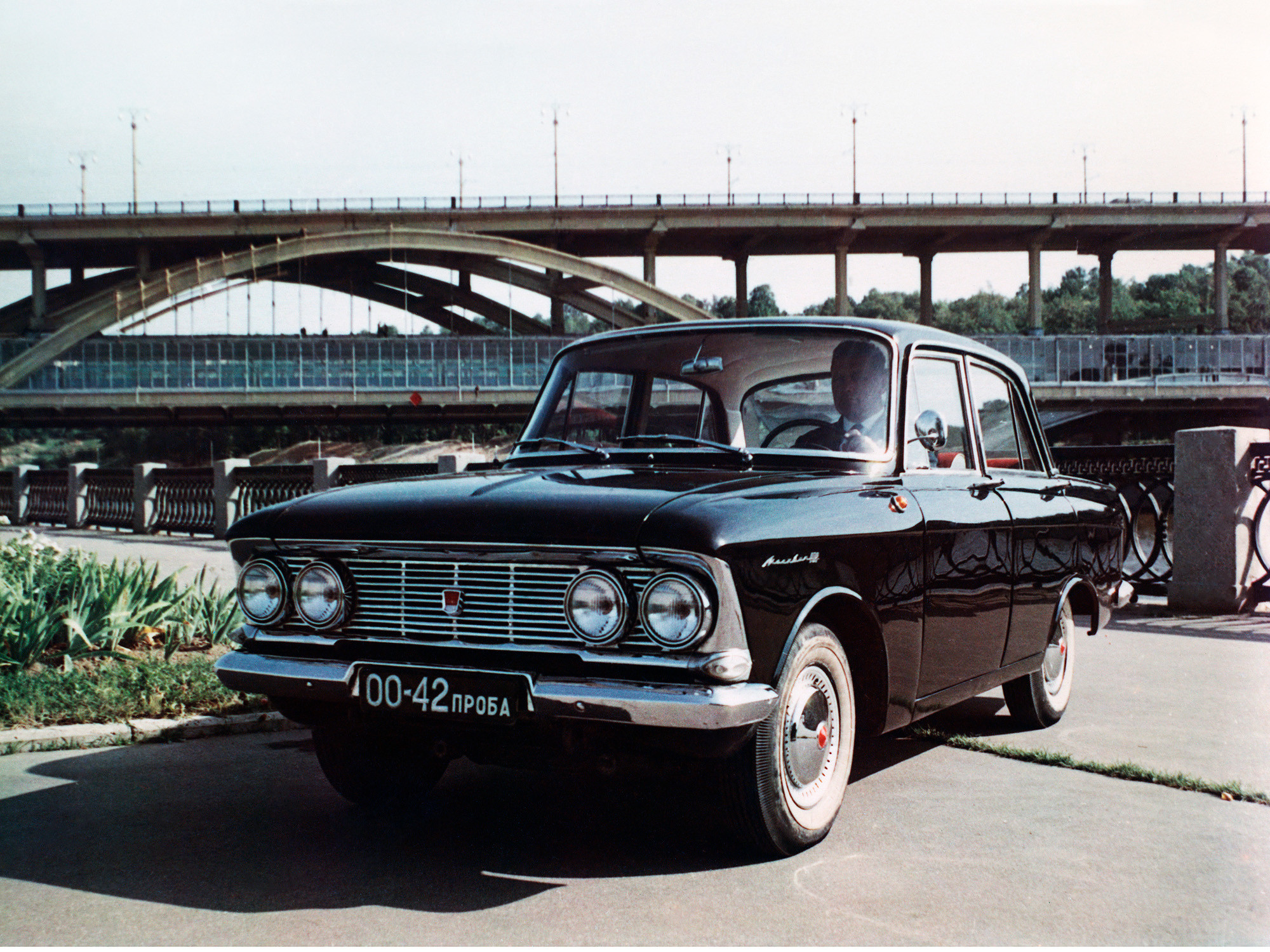
After the main assembly line at AZLK was halted in March 2002, it seemed that the 'Moskvich' brand had sunk without trace. Fortunately, that didn't happen (almost), and this year the brand will celebrate its 80th anniversary. What better excuse to recall some interesting events from the history of the Moscow automobile plant and the cars that made AZLK famous not only in the USSR but also abroad?
By the Laws of Wartime
Since the era of perestroika, a significant proportion of our citizens have firmly believed that the USSR hardly developed its own cars at all, and mostly stole everything from the West. Starting with the government ZIS limousines, the Pobeda and the Volga, and, of course, the first mass-produced Soviet car – the Moskvich-400.
It must be admitted that such claims have some basis: the ZIS-101 and ZIS-110 were indeed products of reverse engineering of American cars, but to claim that the entire Soviet automotive industry was 'piratical' is, to put it mildly, foolish. It is enough to recall the purchase of licences for the Ford-A and AA, which began production in Nizhny Novgorod in the early thirties, or the licensed Fiat-124, which became the Soviet Zhiguli.
And the Opel Kadett K38, aka the Moskvich-400, is also not a stolen model, and when production of this car began at the Moscow ZMA in December 1946, not a single Western country even hinted that the Soviets had robbed them. However, a very considerable number of our citizens believed and will continue to believe that the first Moskvich was a stolen Opel Kadett.
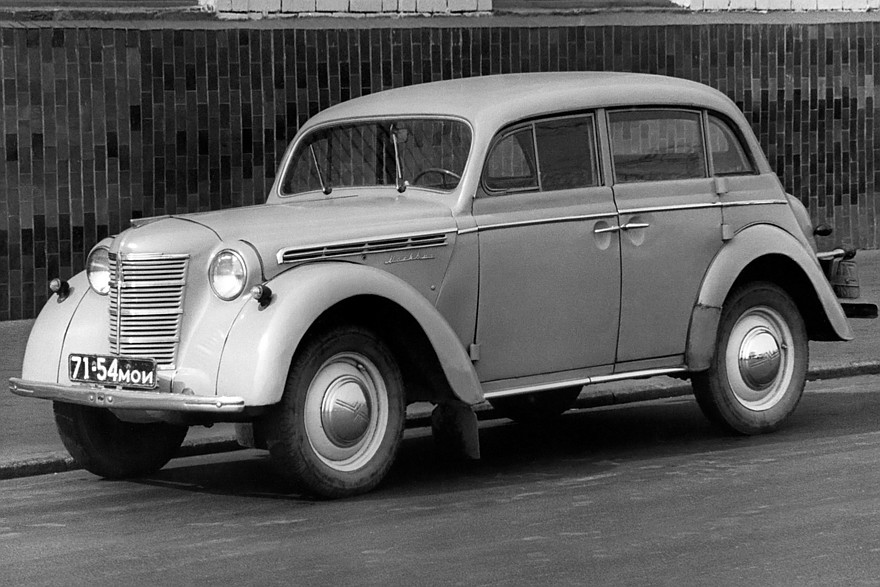
So what really happened?
As is well known, theft is a criminal offence, and accordingly, there is a perpetrator and an injured party. It is understood that the role of the perpetrator is assigned by default to the USSR, but who then was the injured party? Germany, which supposedly owned the 'robbed' firm Adam Opel, seems to lay claim to that role. True, upon closer inspection it turns out that in the second half of 1945, a country called Germany did not exist, but only the territory of the former Germany, divided into four occupation zones between the USSR, the USA, Britain and France. Moreover, the German firm Adam Opel also did not exist. Or rather, the name existed, but that was the name of the German subsidiary of the American corporation General Motors, and as for the Opel plant in Rüsselsheim, after the Allied bombing raids, nothing but ruins remained. It is also worth recalling that Opel returned under the wing of its parent corporation GM in the summer of 1945, and before that, from 1941 to 1945, it had been nationalised by the Third Reich after the USA and Germany found themselves at war. So it was not the USSR that stole something from Opel, but Hitler's Germany that in 1941 'squeezed' this enterprise from its rightful owner – General Motors. Therefore, when the Soviet Union decided to produce the Opel Kadett K38 in Moscow, the Soviet side negotiated not with the Germans, who had had no say in Germany since mid-1945, but with the Americans. Because the Opel plant in Rüsselsheim was located in the American occupation zone, and all rights to the Opel Kadett K38 belonged to General Motors. And here's the interesting thing: the Americans had no objection whatsoever to the Soviet side taking the surviving equipment and drawings of the Opel Kadett from Rüsselsheim, and even taking some German engineers along with them.
And all this happened thanks to agreements between the USA and the USSR. In July 1945, in Potsdam, the countries of the anti-Hitler coalition held a conference at which the post-war order of Germany was discussed, and the victors also determined their shares of reparations. After lengthy negotiations, they agreed that the USSR had the right to take 10% of the industrial equipment available in the American, British and French occupation zones. The Opel plant in Rüsselsheim, or rather what remained of it, happened to fall within that 10%. So the USSR did not steal the Opel Kadett K38, as some think, but received it absolutely legally, within the framework of interstate agreements. Moreover, it received it from the rightful owner – the General Motors corporation.
Moskvich-400 – The First Swallow
By the mid-forties, the Opel Kadett K38, which had gone into production in November 1936, had become an obsolete car in every sense. It is worth noting that it was the same age as the Soviet GAZ M-1, whose production ceased in 1942 and which was replaced by the newly developed M-20 Pobeda.
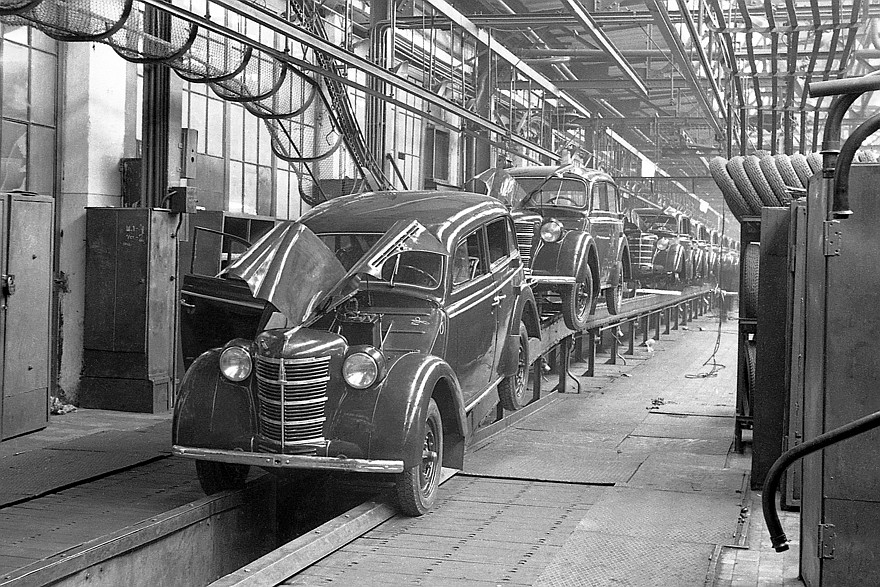
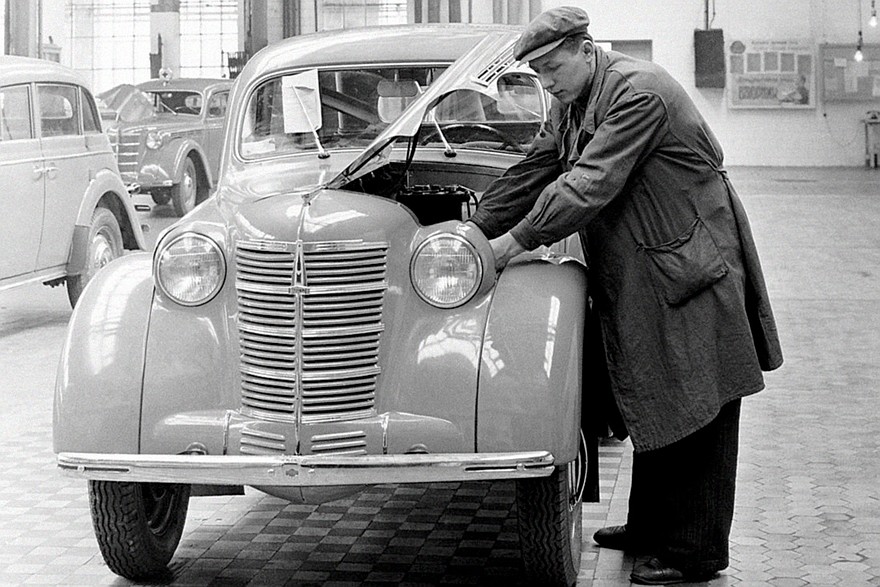
However, the post-war USSR needed an inexpensive, mass-produced car, and in that capacity the Moskvich-400 proved to be very much to the point. Moreover, Soviet engineers had had their eye on the Opel Kadett K38 even before the war – one only needs to look at the predecessor of the Moskvich-400, the pre-war KIM-10-52. The serial production of the latter was prevented by the outbreak of war, and after the war, access was gained both to the drawings and to part of the production line of the Rüsselsheim plant, so the decision was made to 'naturalise' the Opel Kadett.
In fact, there were no other options for quickly establishing mass production of a car, even despite the fact that a significant portion of the documentation and tooling had to be recreated from scratch. There was another reason that forced the USSR to put a far from new and not the most modern car on the assembly line. The Soviet government knew perfectly well what price the people had paid for victory in the war, so why not give the victorious people what they had unequivocally earned? A simple, reliable and relatively inexpensive car. Of course, not everyone could afford to pay 8,000 roubles for a Moskvich-400, but the GAZ M-20 was available only to a select few, as it cost 16,000 roubles.
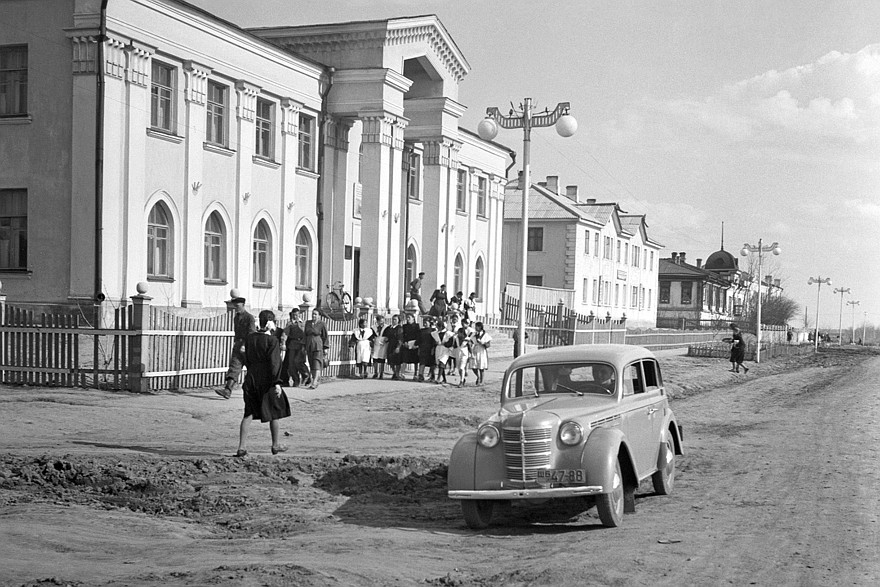
It is also worth recalling how the name 'Moskvich' came about. The name for the new car was coined by Oleg Dybov, deputy chief designer at ZMA. In 1947, Moscow was to celebrate its 800th anniversary, so Dybov suggested naming the car Moskvich. The higher-ups had no objection to such a name, and so for 80 years now, the Moscow automobile plant, which has itself changed names several times, continues to produce cars under the name 'Moskvich'.
The naturalised Opel Kadett K38s – first-generation Moskvichs – were produced in relatively small numbers from 1946 to 1954, just 216,000 units in total. However, the engineers and designers of the Moscow plant gained invaluable experience in organising mass production of cars and creating various modifications. But most importantly, the Moskvich-400 became the first Soviet car to go on open sale, and anyone who wished could buy one.
The 'Four Hundred and Eighth' and Its Descendants
In the history of every enterprise there is its own golden age, as well as, of course, everything that usually follows it. After mastering the production of the second generation of Moskvich models – the 402, 403, 407 and 423 – in 1959, the designers at MZMA began work on the Moskvich-408, which went into production in 1964 and, in the form of subsequent modifications (the 412 and 2140), was produced until 1987. This was the most successful and mass-produced model of the Moscow plant, but at a certain stage it also became the millstone that dragged the enterprise to the bottom.
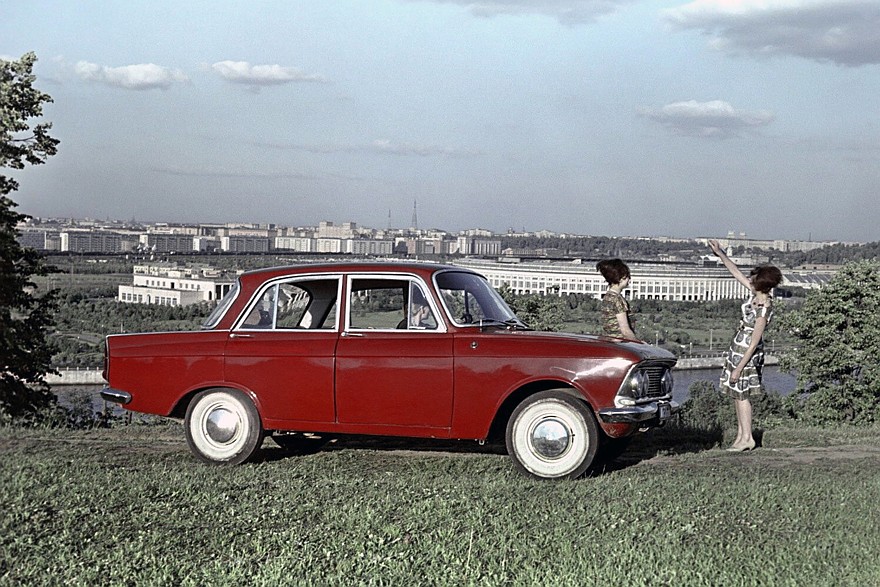
In the early sixties, the Moskvich-408 was a very decent car with a successful design by Boris Ivanov, with passive safety well thought out by the standards of those years, and with good export performance. It became the first MZMA model to be produced in Izhevsk, and its modification, the Moskvich-412, was produced under licence in Bulgaria.
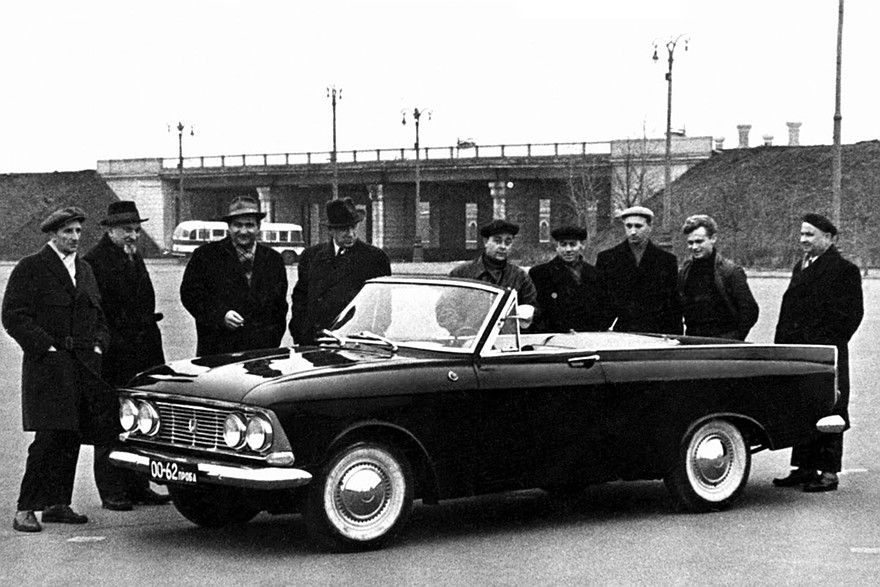
In addition to the saloon and estate bodies, the Moskvich-408 could also be had with a convertible body. Moreover, the person who wished to see such a modification was none other than the General Secretary of the CPSU Central Committee, N.S. Khrushchev. After visiting France in 1960, Nikita Sergeyevich was charmed by the 'Caravelles'. Not the ships, but the Sud Aviation Caravelle passenger airliner and the Renault Caravelle convertible, which the General Secretary received as a gift from the President of the Fifth Republic, Charles de Gaulle. Khrushchev handed the car over to MZMA with the wish that they make something similar for Soviet citizens, and by 1964 the plant had produced two Moskvich-408 Tourist convertibles. The wheelbase remained exactly the same as that of the saloon and estate – 2,400 mm – but the car was converted into a two-door and fitted with a fabric roof and a removable hardtop. However, in 1964 Khrushchev was pensioned off, and the question of the convertible was closed. Soviet motorists would hardly have taken kindly to such a curiosity, although in European countries there might well have been decent demand for a convertible. However, MZMA did not have spare resources for producing a niche model with unclear prospects, so the Moskvich-408 Tourist remained built in just two examples.
In 1968, MZMA changed its name to AZLK, and a year earlier production had begun of the Moskvich-412, which was produced at the Izhevsk plant until 1997, acquiring along the way a modification with a liftback body (the Izh-2125 Kombi). Thus, the Moskvich-408 and its descendants were produced with saloon, estate, liftback, pickup and van bodies (the Izh-2715). The latter was taken out of production only in 2001, which means that the family whose progenitor was the Moskvich-408 remained on the assembly line for 37 years.
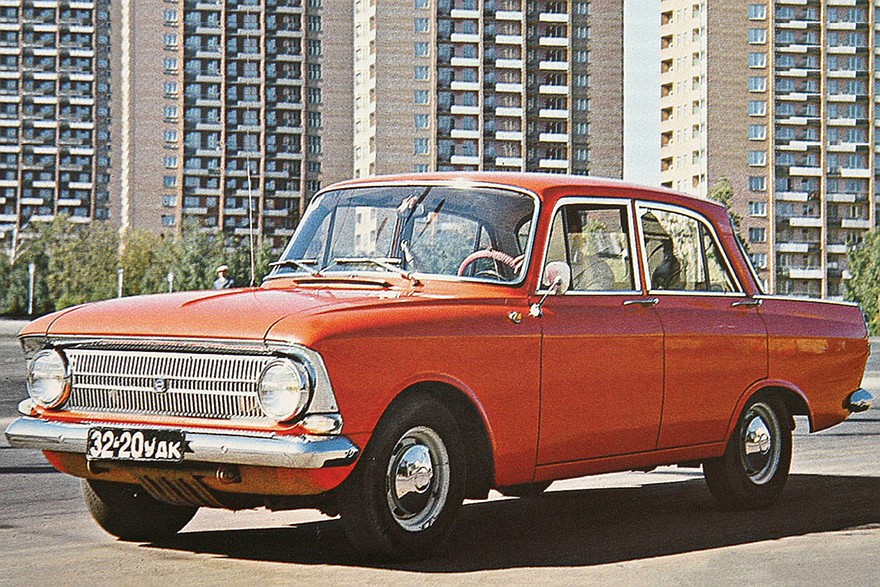
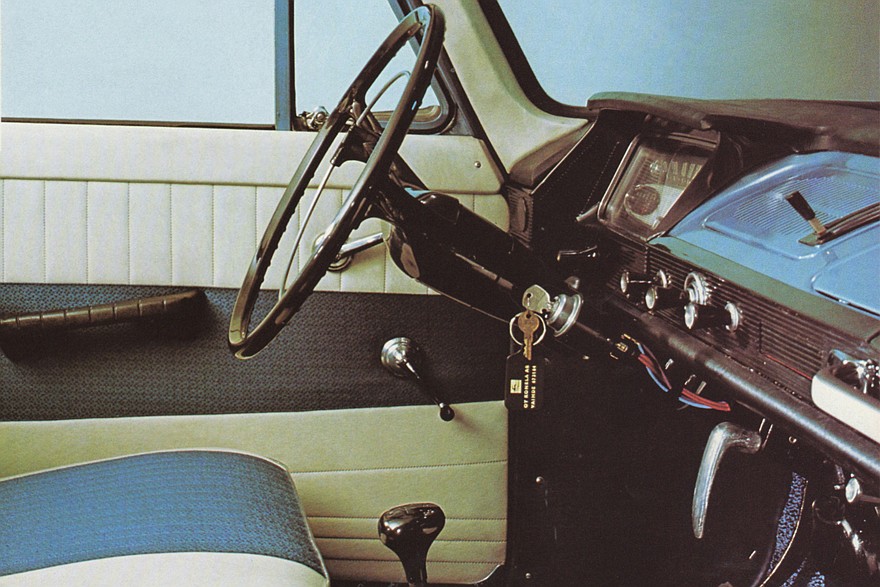
On the one hand, one might praise the car for such enviable longevity, but it was produced for so long not because of outstanding characteristics, but because for many years nothing else could replace it, neither in Moscow nor in Izhevsk. Although the Moskvich-412 was in need of replacement as early as the mid-seventies, instead, in 1976, production began of yet another modernised version – the Moskvich-2140.
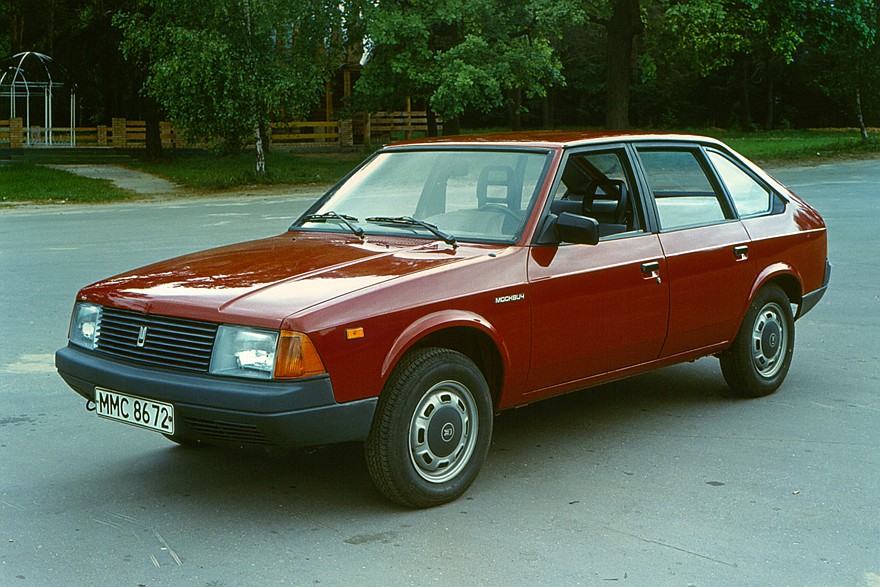
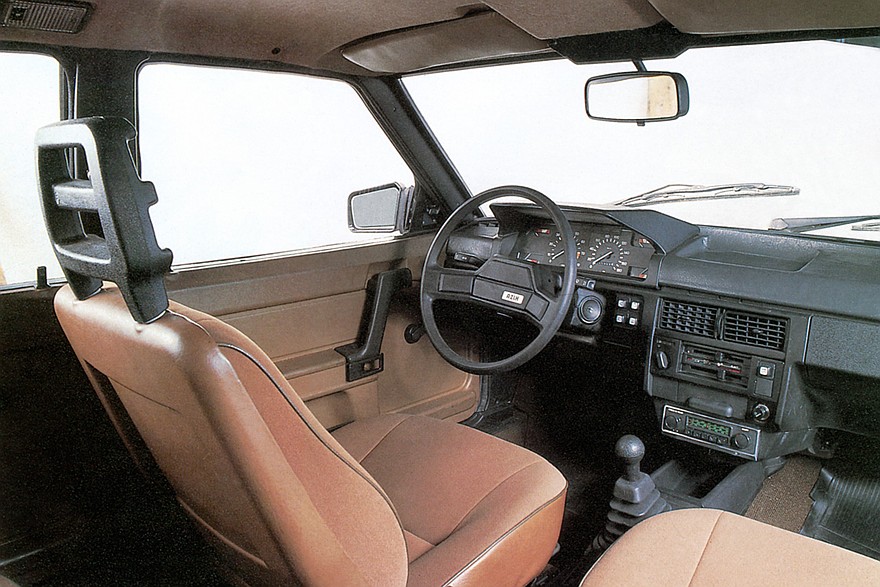
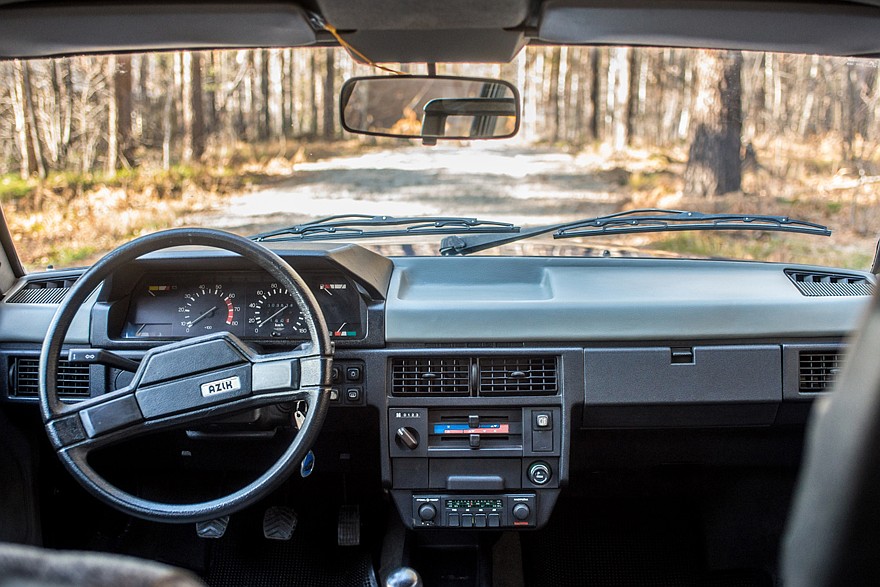
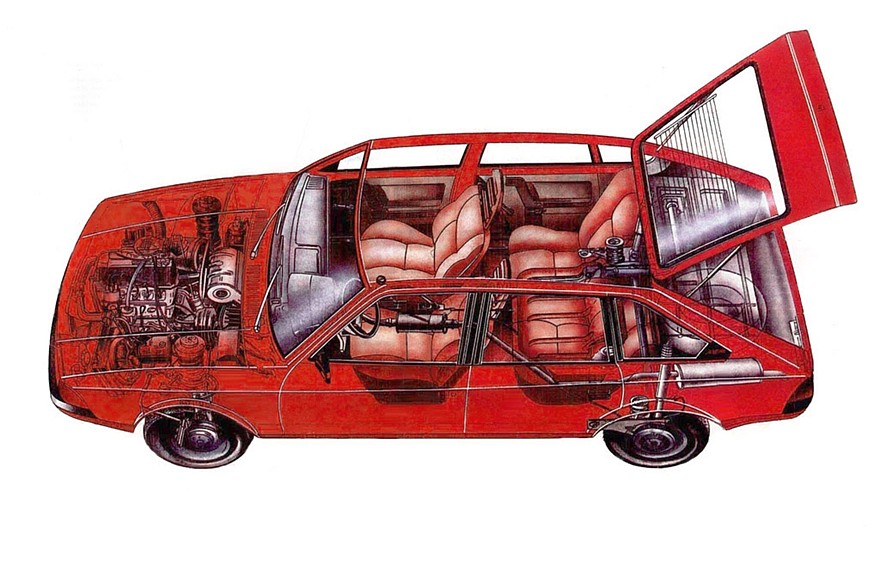
Its successor in the form of the Moskvich-2141 appeared only in 1986, that is, at least five years later than the deadline that would have allowed AZLK to be considered a manufacturer of modern and competitive cars. And while the Moskvich-2141 did manage to get onto the assembly line, the engine shop for producing the engines specially developed for it was never completed. Which clearly did the car no favours.
What Remained Behind the Scenes
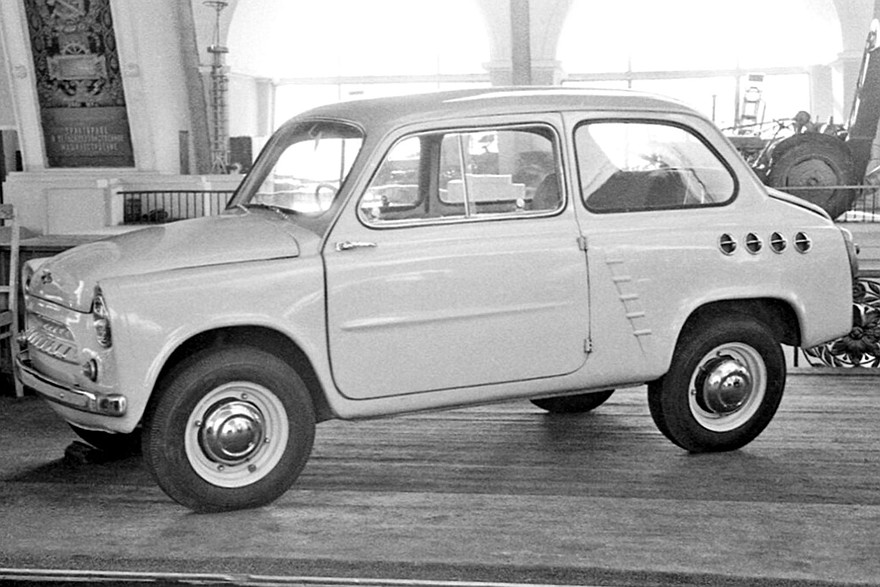
Looking at the rather modest achievements of the Moscow automobile plant, which over 55 years managed to master the production of cars of only four generations, one might think that the factory workers spent long decades working half-heartedly, stamping out the same model for years on end. Of course, that is not the case. The designers at MZMA-AZLK positively bubbled over with ideas and developed many interesting cars, and one of them became truly popular. Except that it was called the ZAZ-965 Zaporozhets, and not the Moskvich-444, as it was christened at its birth in 1957. The car developed in Moscow was transferred to Zaporozhye by a top-down decision, thus resolving to develop the automotive industry of the Ukrainian SSR.
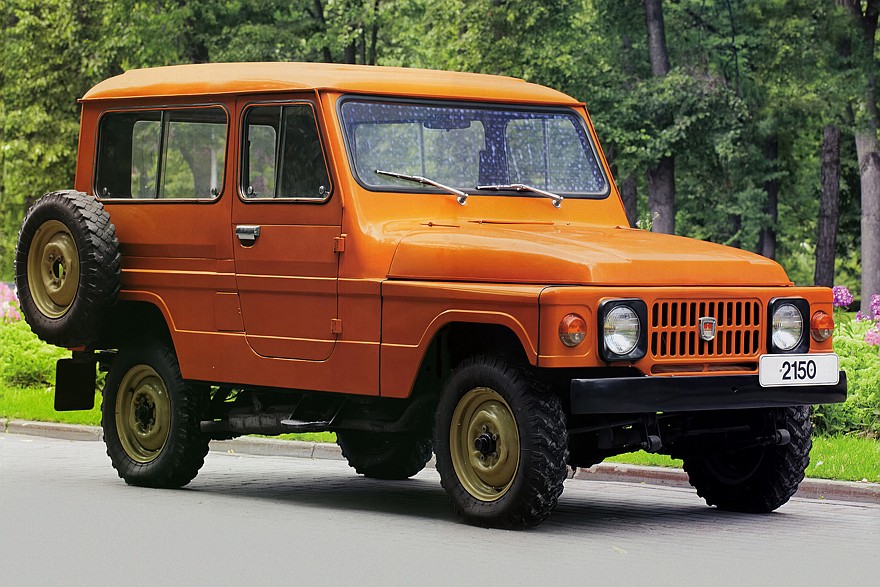
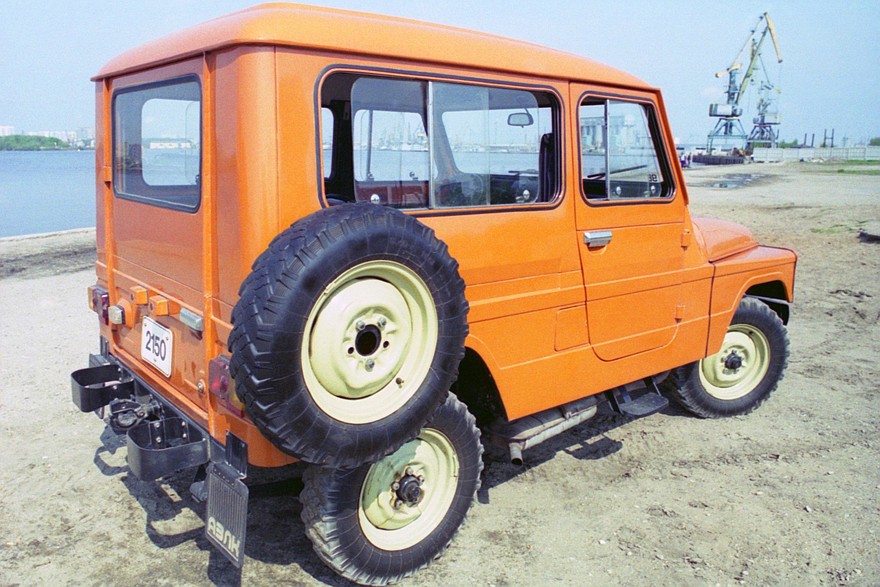
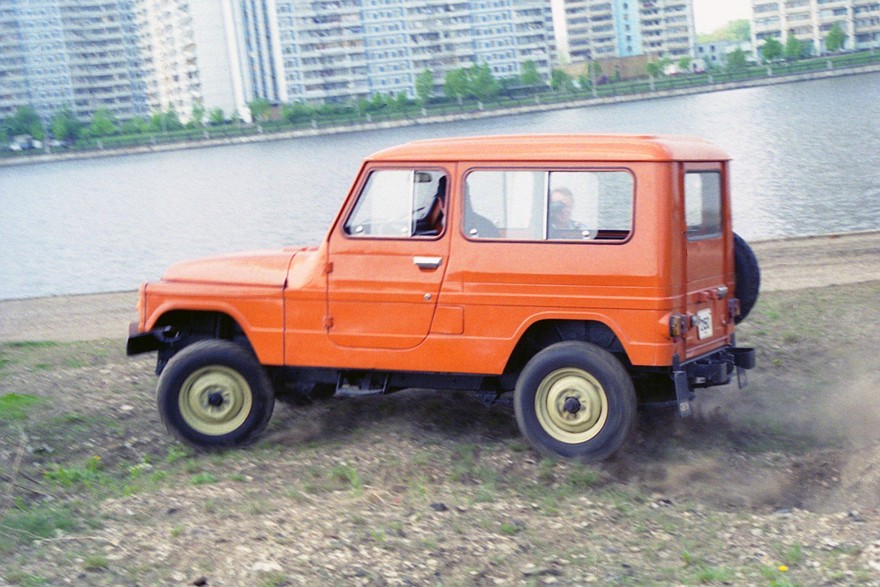
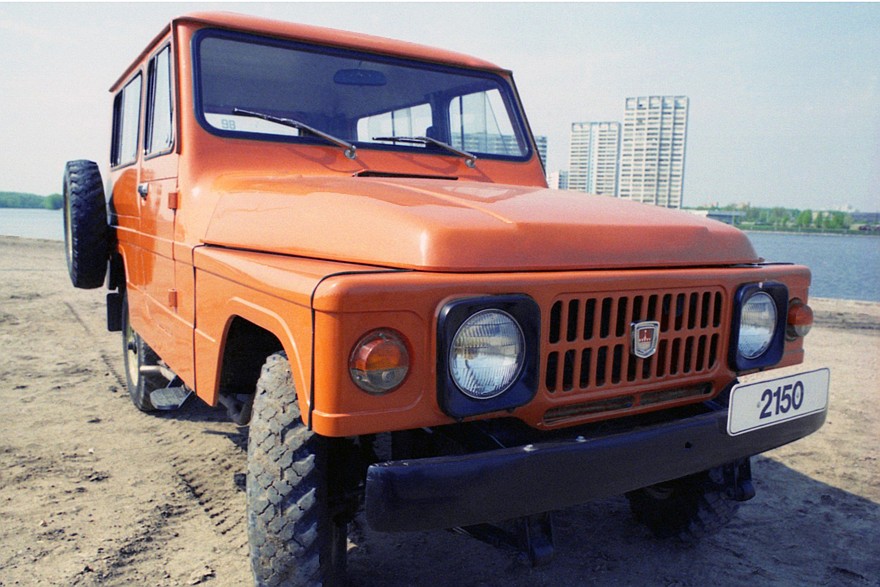
In the same year, a prototype of the Moskvich-A9 minibus was presented, but this vehicle did not go into series production. A year later, MZMA began testing several prototypes of the Moskvich-415 off-roader, which by 1960 had evolved into the Moskvich-416. These off-roaders also did not go into series production due to MZMA's limited production capabilities. Nor did the Moskvich-2150 off-roader presented in 1973 go into series production – the VAZ-2121 was deemed more promising, and it is hard to disagree with that.
In 1970, work began at AZLK on a successor to the Moskvich-412, which was named the Moskvich 3-5-2, but work on the car dragged on for five years, it did not go into series production, and preference was given to the Moskvich-2140. Then the same fate befell the Moskvich-S1 and Moskvich-S3 hatchbacks, meaning that for almost ten years, AZLK designers worked in vain. And yet the seventies were precisely the years when the foundations for the plant's further development could have been laid, but instead, officials at the Ministry of the Automotive Industry decided to look towards the French Simca-1307. But even with that, they had to fiddle around for nearly ten years before the Moskvich-2141 went into production.
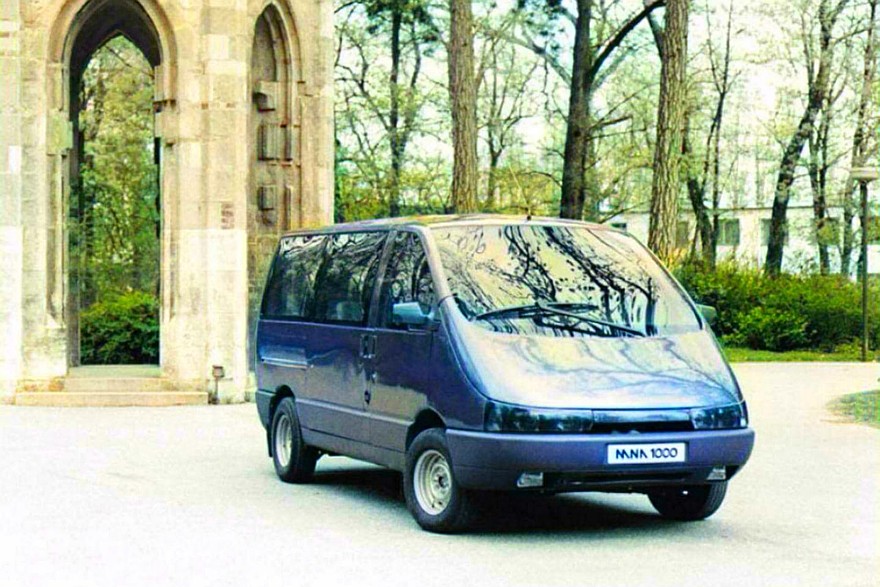
AZLK designers also managed to develop several more interesting vehicles: the Moskvich-3733 and Moskvich-2139 Arbat minivans, and the Moskvich-2143 Yauza and Moskvich-2144 Istra concept cars, but these were all, in essence, stillborn projects. In the conditions of a collapsing country, AZLK was unable on its own to bring any of them to the assembly line, continuing through the nineties and early noughties to squeeze everything possible out of the morally obsolete 'forty-first'.
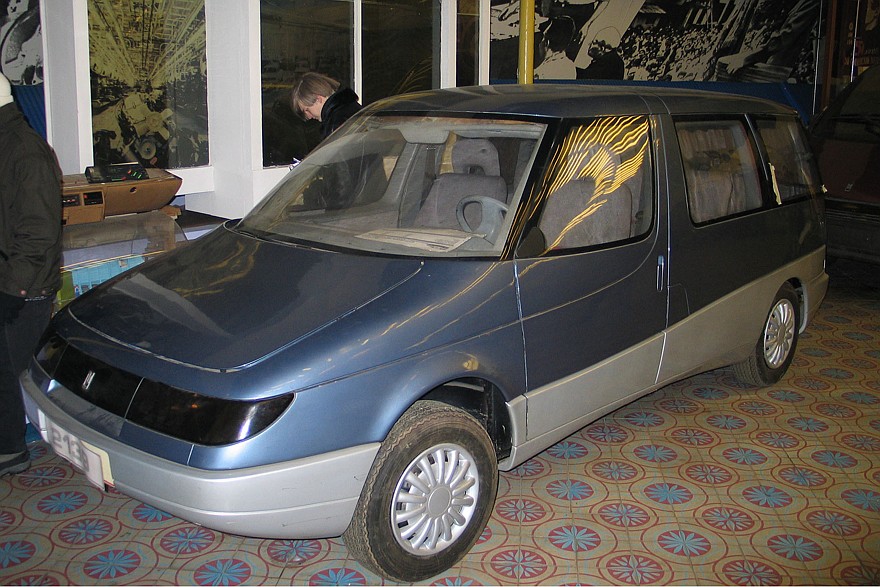
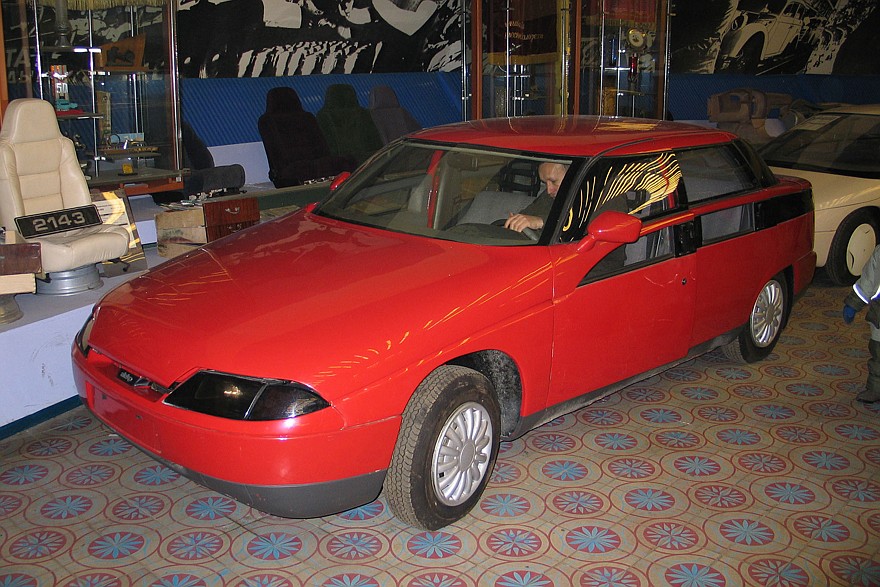
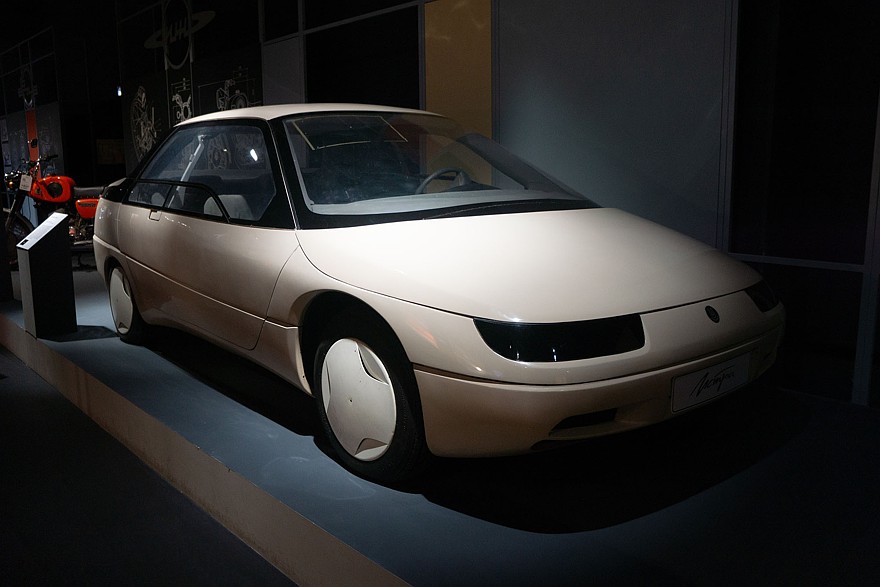
What happened next is well known. The plant's comatose state, the arrival of Renault, then the Frenchmen's hasty departure in 2022 and the start of assembling JAC models under the revived name 'Moskvich'. It is unlikely that this was how the future of the Moscow automobile plant was imagined in the early post-Soviet years, but, as they say, we have what we have. At any rate, Moskvich cars are still being produced in Moscow, and that, you will agree, is better than if the Moscow plant had suffered the fate of ZiL, SeAZ or TagAZ.
Comments
0 comments