
Soybean-Flavoured Ford: How Henry Ford Made a Car from Agricultural Crops
Car manufacturers are a crafty bunch. From time to time, certain enthusiasts have found traditional metals, plastics and glass insufficient for making components, and have turned their attention to... food products and their waste, as well as plants.
The most famous example is the rubber tree, which has been used for decades as a source of natural rubber for producing tyres and seals. Sometimes the products can be more exotic: sugar cane and maize are used by some manufacturers to produce biopolymers for interior trim components, while ground eggshell and tomato skin can serve as an alternative to carbon black for producing hoses, mounts and bushes.
But the most unexpected option is the use of soya and other agricultural crops to produce plastic body panels. Especially when the 'soya car' was linked to none other than the 'king of the assembly line', Henry Ford. Today we shall recall how the great American industrialist came to use soya, maize, wheat, hemp and flax as materials for making car parts, and how this 'foodie' story ended.
A Little Theory
As is well known, soya is a herbaceous plant of the legume family – one of the most widespread and valuable food crops in the world.
Soya beans are a rich source of high-quality protein, which many devotees of the product consume as a plant-based substitute for meat. In their raw state they are hardly eaten at all, but they are used in the form of soya curd (tofu), soya meat, soya milk and soya sauce. Soya products are good for the cardiovascular system and help to lower levels of 'bad' cholesterol. But what, one might ask, has this got to do with cars?
Henry Ford's Soya Fever
Henry Ford was born into a family of Irish immigrants who lived on a farm near Detroit in the state of Michigan. It was for this reason that grain and legume crops were no mystery to him, and the subject of agriculture was not terra ignota to the future car manufacturer.
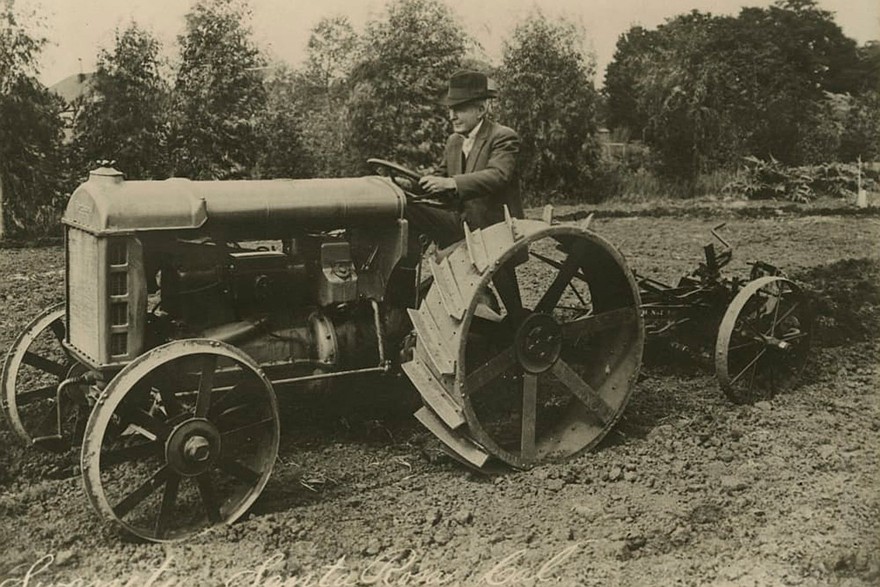
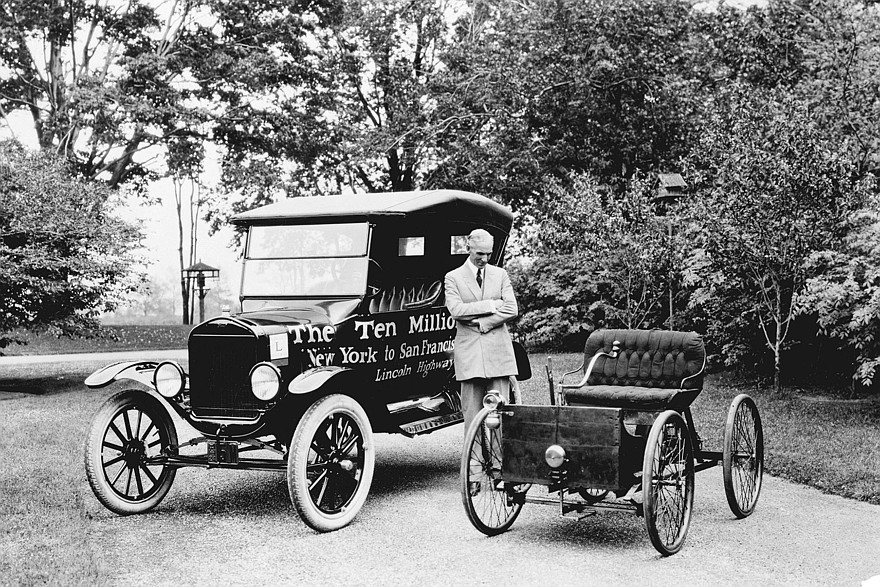
Moreover, as early as the beginning of the 20th century, Ford had turned his hand to developing and producing Fordson tractors, which for farmers and tillers of the soil became just as much of a people's machine as the famous 'Tin Lizzie' – the Model T.
At some point he turned his attention to soya beans, in which he saw potential both as an alternative to conventional foodstuffs and as a possible material for making almost anything, including car parts.
Ford was interested in wood-based materials produced by genetic engineering ('making a tree lighter than growing one'), maize as a source of fuel in the form of maize oil or ethanol, and the potential use of cotton.
As early as 1927, Ford joined forces with Thomas Edison and Harvey Samuel Firestone (each contributing $25,000) to create the Edison Botanical Research Corporation in Fort Myers, Florida, in search of a local source of rubber.
By 1929, Ford had opened a research laboratory in Dearborn, whose main task was to work on the use of soya for producing plastics.
Ford believed in the unusual product so strongly that during the Great Depression in 1934, at the 'A Century of Progress' World's Fair in Chicago, his pavilion became one of the most popular thanks to soya. He built an 'Industrialised American Barn' and planted an entire field of soya around it. Inside the pavilion, visitors could watch as oil for engines was extracted from the beans on the spot, and soya plastic for car parts was pressed.
Also, on 17 August 1934, the famous 'Soya Lunch' took place: a menu consisting entirely of soya was prepared for journalists, farmers and guests. There were salted beans, crackers, mash, bread and soya coffee with biscuits, pies and sweets – all, of course, also made from soya. Remarkably, Henry's own suit also used soya fibres.
It was then that he declared his intention to mass-produce steering wheels, gear lever knobs, keys and even gears from soya, as well as oil, paint, soap, glue and fuel!
And in the 1930s, soya-based plastics were indeed used to make certain interior components and even car paint.
However, Henry did not stop there and enlisted the famous inventor George Washington Carver to create a 'soya car', whose body panels would consist of plastic made from a mixture of agricultural crops. Eugene Turenne Gregorie from Ford's design department was to oversee production. In the end, Ford was not satisfied with the proposed design and handed it over to the Soya Laboratory in Greenfield Village, and then to Lowell E. Overly, who had a background in tool and die design. He was assisted by chemist Robert A. Boyer.
And in this grand 'swing for the fences', one could indeed sense the instinct of a great industrialist who understood that the Great Depression was hardly conducive to the use of expensive sheet metal. And if wood could be a fine alternative to that material for body elements, then why should plastic be any worse?
Secondly, in the second half of the 1930s, the cold breath of another world war was becoming ever more palpable, and the frenzied activity of the future Führer had not gone unnoticed in Dearborn either.
It was becoming increasingly clear that an affordable material for body panels could, in the future, prove a real salvation for the automotive industry.
Seven years of searching and work were needed to move from thoughts to results.
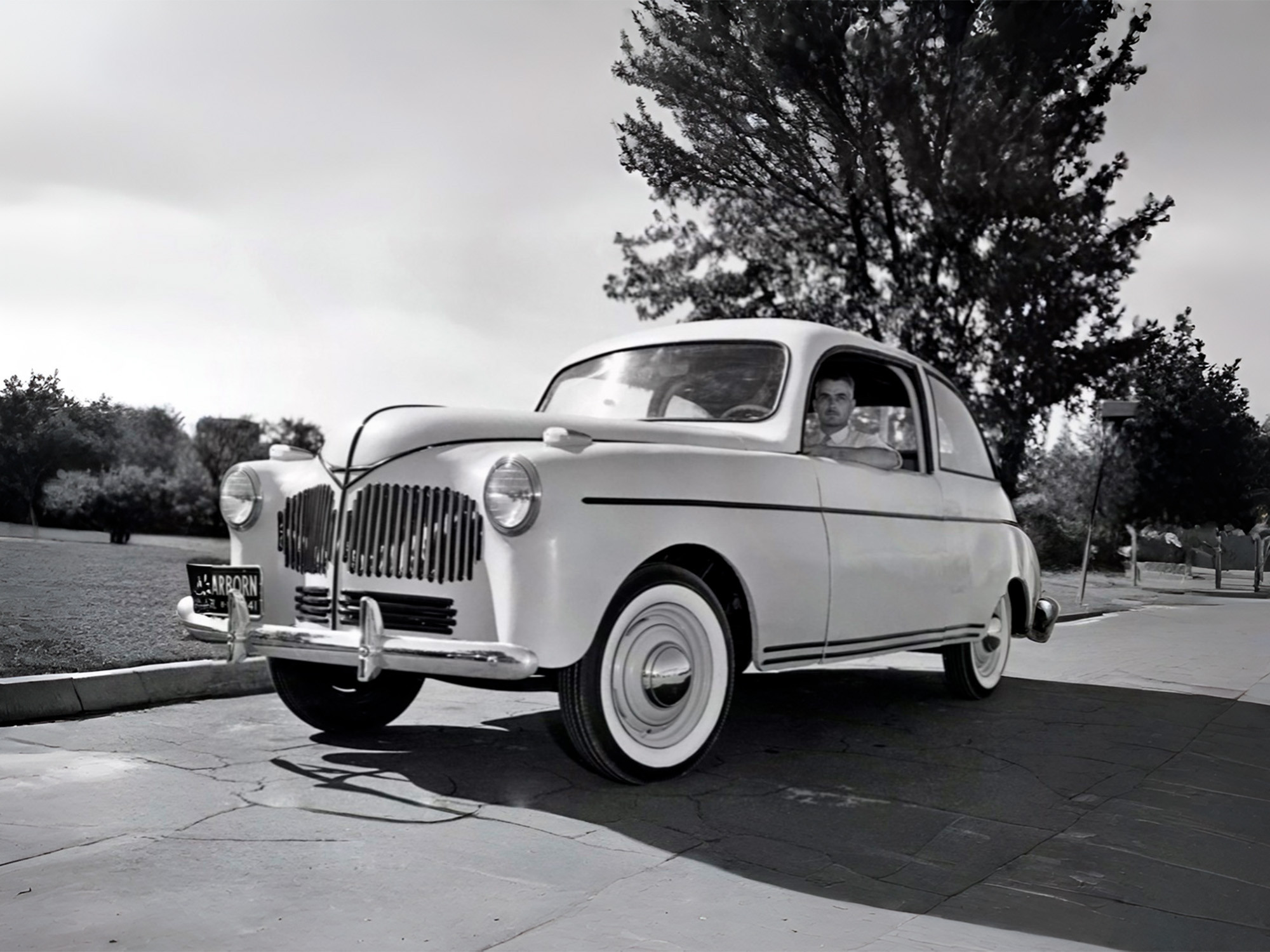
The finished prototype, under the working title Soybean Car, was presented after the outbreak of the Second World War. The debut of the 'soya car', also known as the Hemp Body Car, took place in August 1941 at the Dearborn Days festival in Dearborn, Michigan. That same year it was also shown at the Michigan State Fairgrounds.
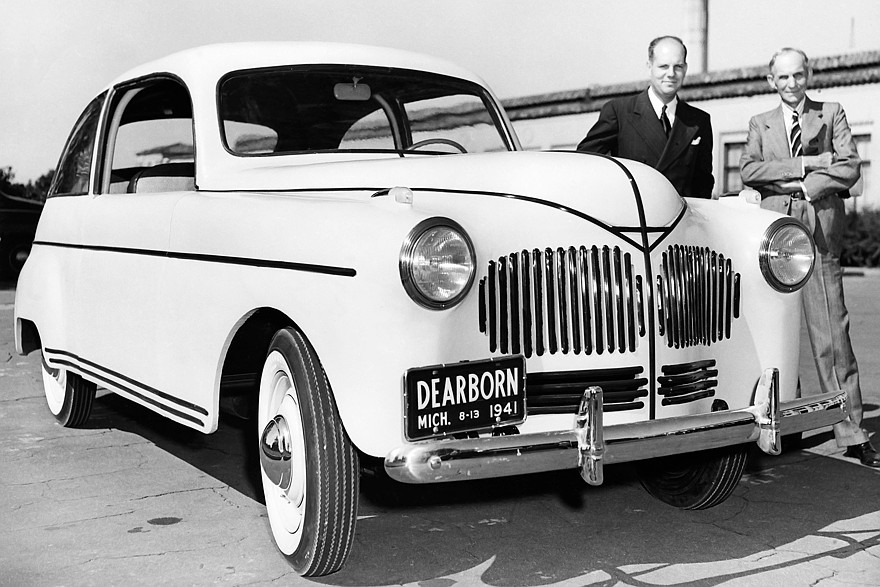
Discussing the design of the prototype is a rather dubious exercise, for in this case the exterior was of secondary importance. To be fair, it must be admitted that for the very beginning of the 1940s, a two-box body without protruding wings looked quite modern, if not avant-garde.
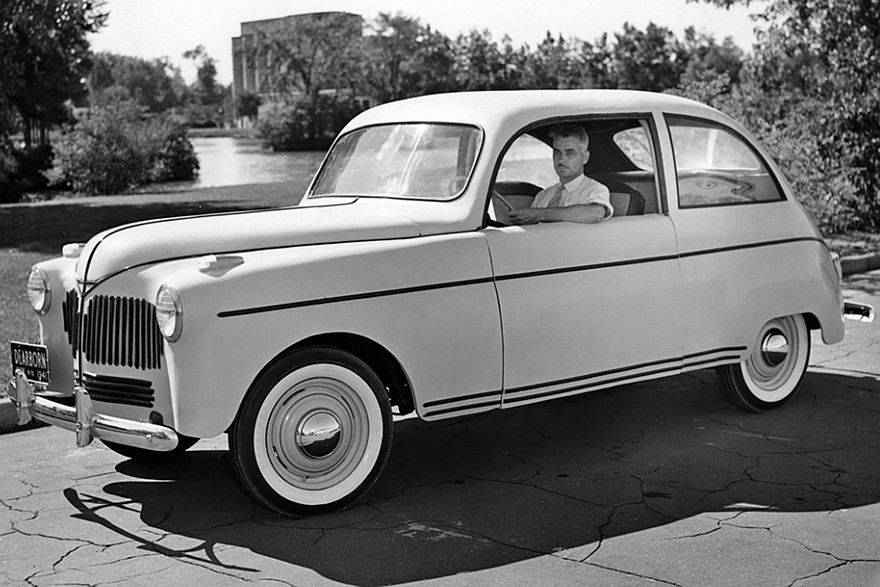
Overall, the Soybean Car looked like an unpretentious machine without any stylistic frills. Headlamps, radiator grille, fairly large windows, bumpers – it had everything, as they say. And although the prototype lacked the elegance of the production Fords of those years, the experimental model looked far from shabby. Above all, it was the world's first car with a plastic body.
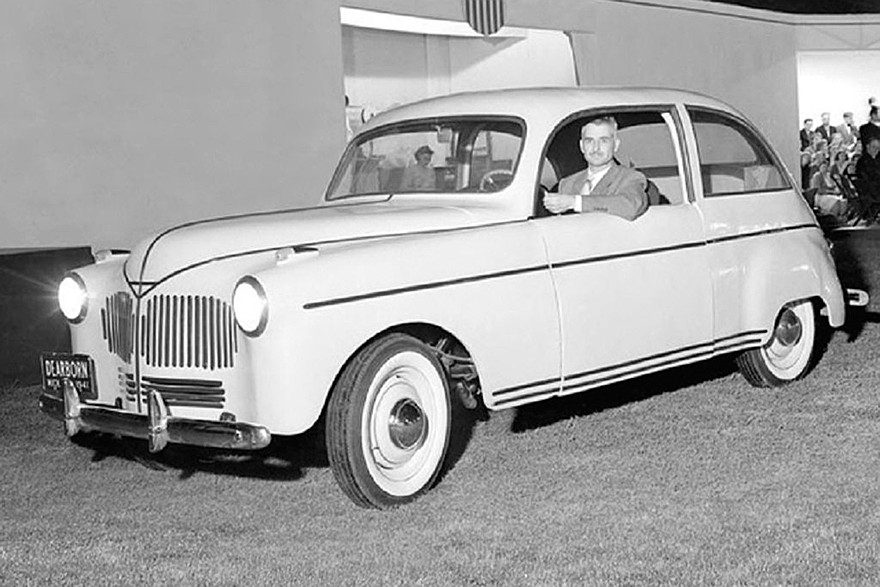
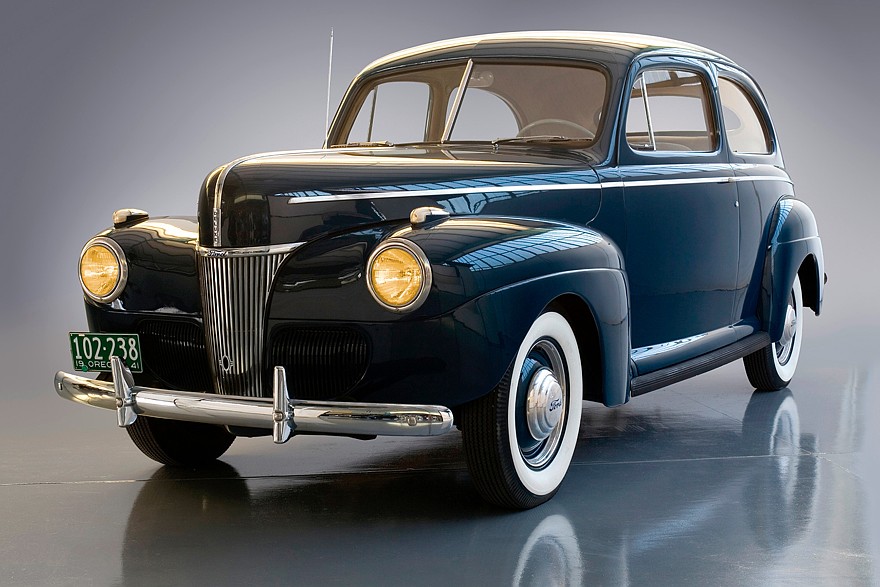
The New York Times reported that the car's body panels were made from a strong material derived from soya beans, wheat and maize. One article claimed they were created according to a chemical formula which, among many other ingredients, included soya beans, wheat, hemp and flax. However, Lowell E. Overly, who played a key role in creating the car, maintained that it was 'soya fibre in phenolic resin with formaldehyde used for impregnation'.
Ford's idea was that using such a material could not only soften the effect of metal shortages during the war, but also make the car lighter, cheaper and more durable.
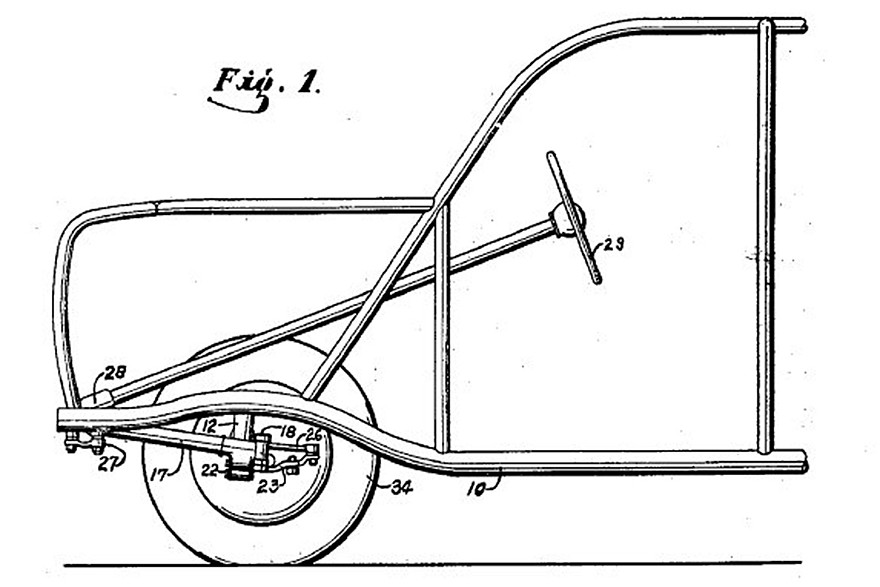
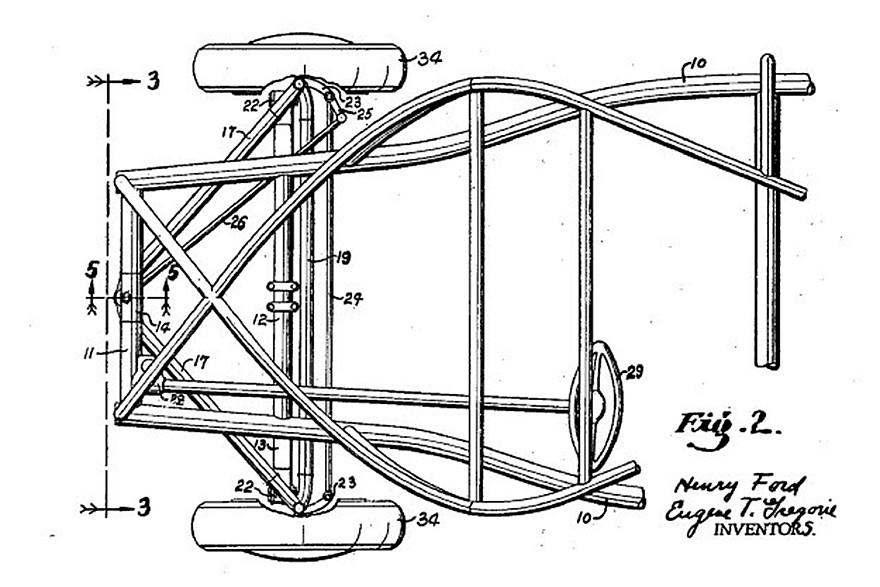
The tubular frame, to which fifteen or so plastic panels just 6 mm thick were attached, was mounted on a chassis from a 1937 Ford V8.
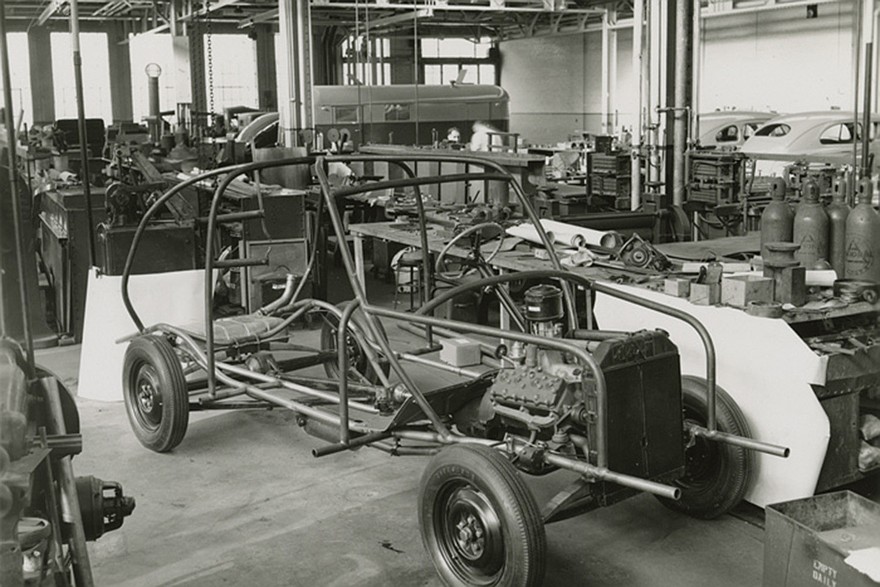
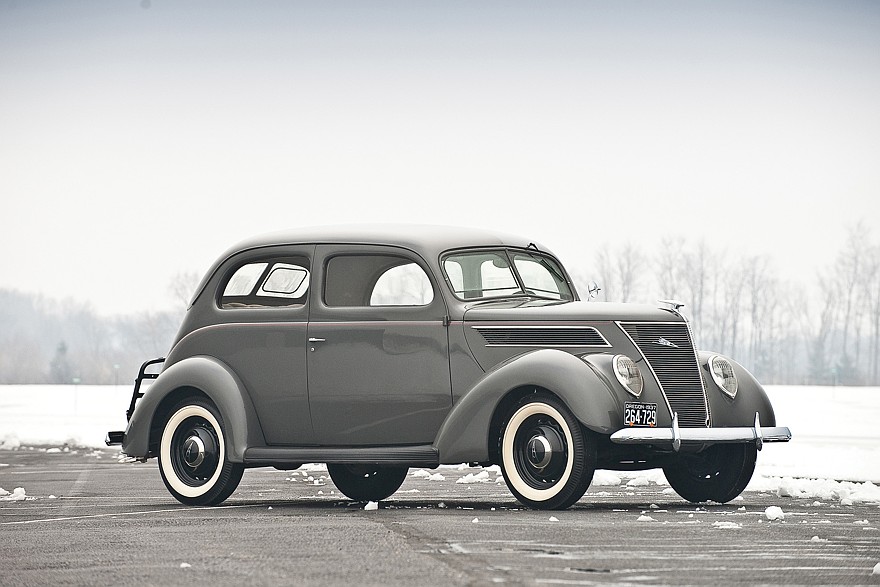
The windows were made of Perspex instead of traditional glass. As a result, the kerb weight compared with a conventional car fell by around 25–30% – from the 1,100–1,200 kg typical of such a vehicle to under 900 kg. And this was expected to improve not only dynamics but also fuel economy.
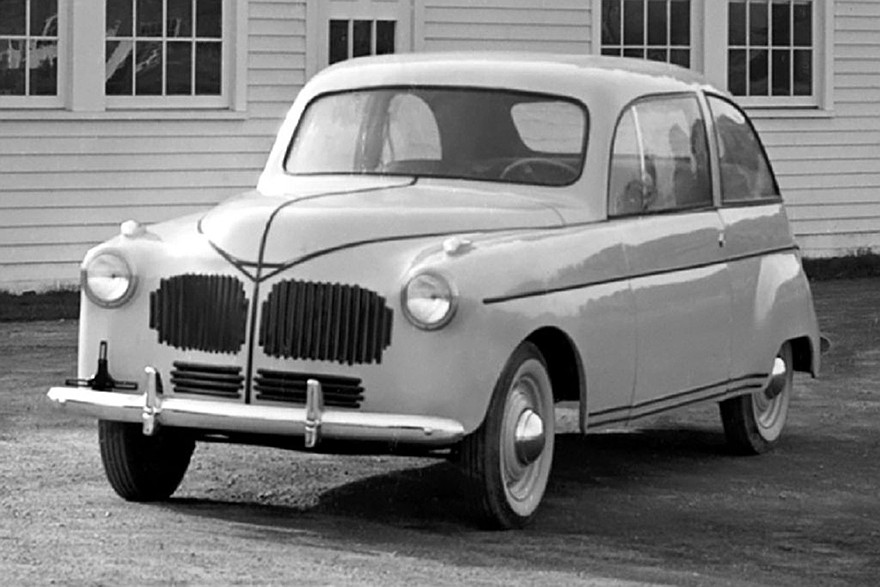
Ford himself claimed that such panels would be ten times stronger than ordinary ones. Another innovation was grain ethanol as fuel instead of traditional petrol.
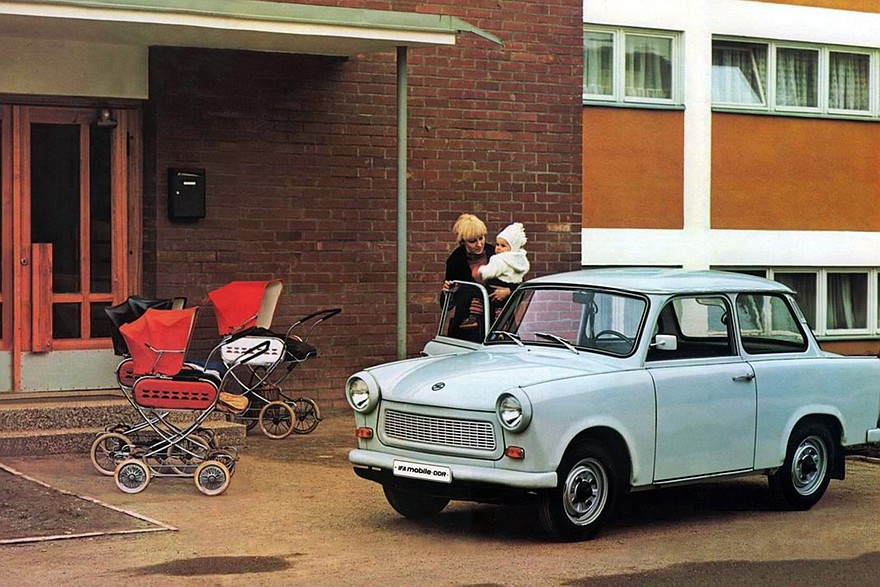
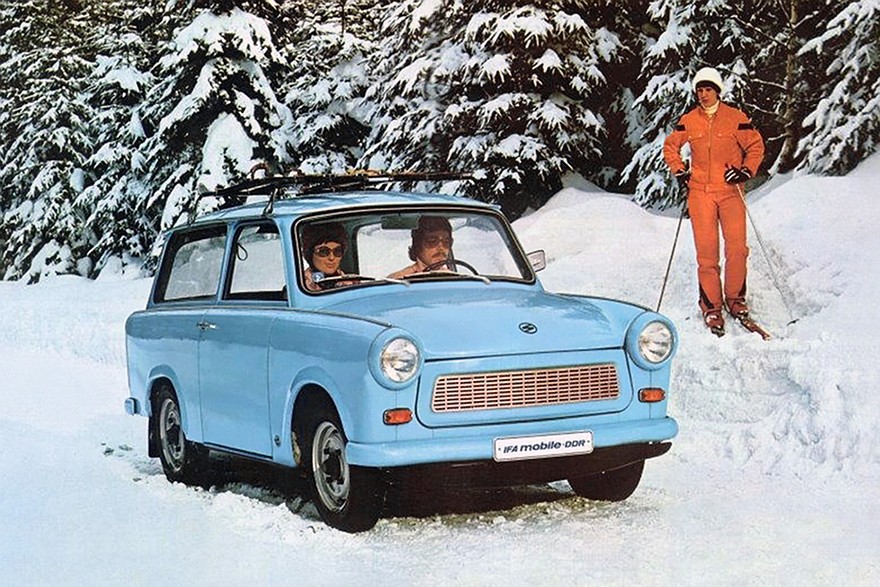
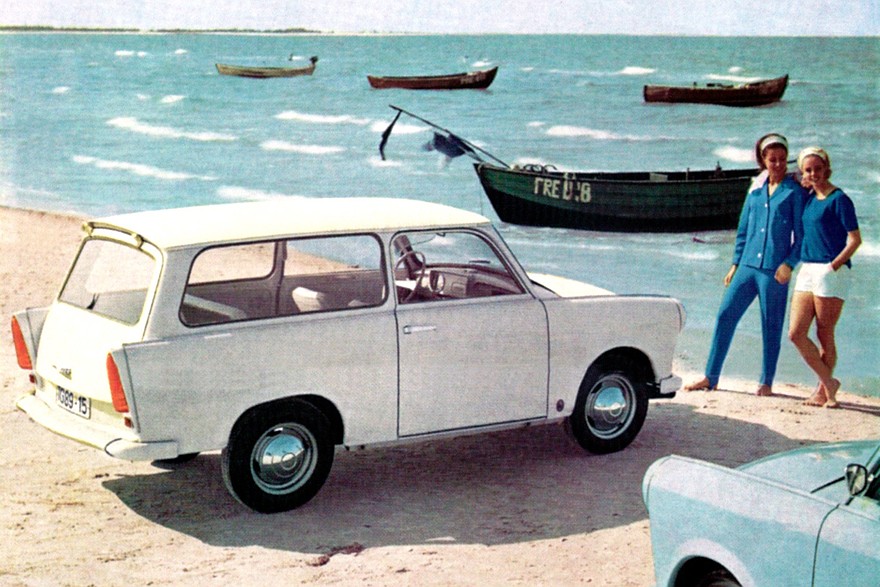
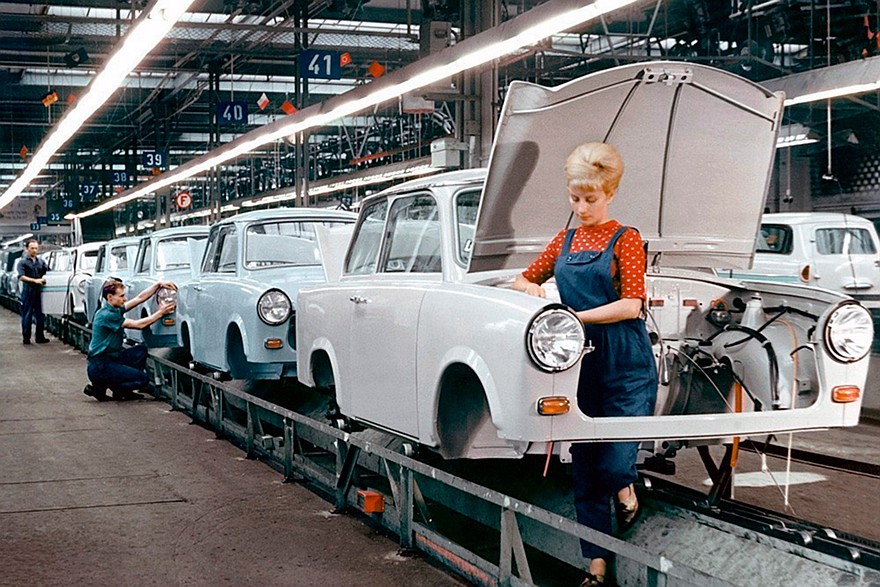
In essence, despite the emphasis on agricultural crops, Ford and the other enthusiasts were inventing a material which, in its properties, was very similar to the post-war Duroplast used to make the panels of the famous East German small car, the Trabant.
To demonstrate the strength of the promising material, Henry Ford struck the boot lid several times with an axe, leaving no visible damage. Admittedly, the panel was fitted not to the soya prototype but to Ford's own car, and a rubber pad had been attached to the edge of the 'weapon'. Even so, the demonstration looked convincing enough, as the tool rebounded with considerable force.
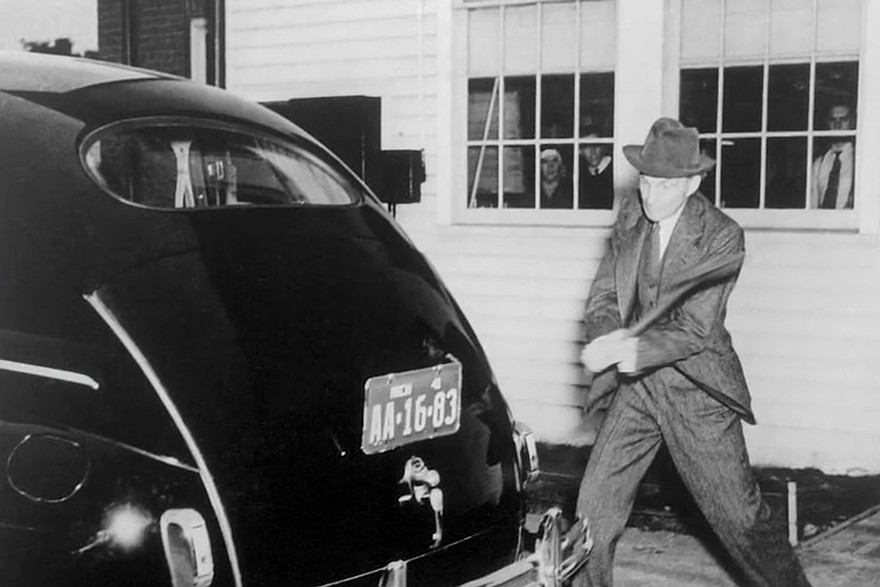
The unusual project was written about in Popular Science, Modern Mechanix and other publications. The reaction of the press, like that of the public, was mixed: for some it was a symbol of the possible dawn of a new automotive era, while for others it was merely the eccentricity of a car industrialist.
Alas, the promising project was not developed further: with the outbreak of the Second World War and several theatres of conflict on different continents, car production in the United States was drastically reduced, and Ford had little time for soya experiments.
Let us not forget that after the attack on Pearl Harbor, the United States officially entered the Second World War. Production was switched to the needs of the armed forces, namely the output of trucks, aircraft engines and other military components.
Although the technical solutions of the Soybean Car were patented in 1942, by the end of the war the idea had been consigned to oblivion, and the prototype itself, according to Lowell Overly, was destroyed by E. T. Gregorie. In any case, its trail was lost during the war years, and it was, unfortunately, dismantled for parts or simply scrapped.
Other sources claim that Ford invested millions of dollars in research into developing a plastic car, but to no avail. He declared that he would 'grow cars from the earth', yet this never came to pass, although he had more than 12,000 acres (4,900 hectares) of soya fields for experiments.
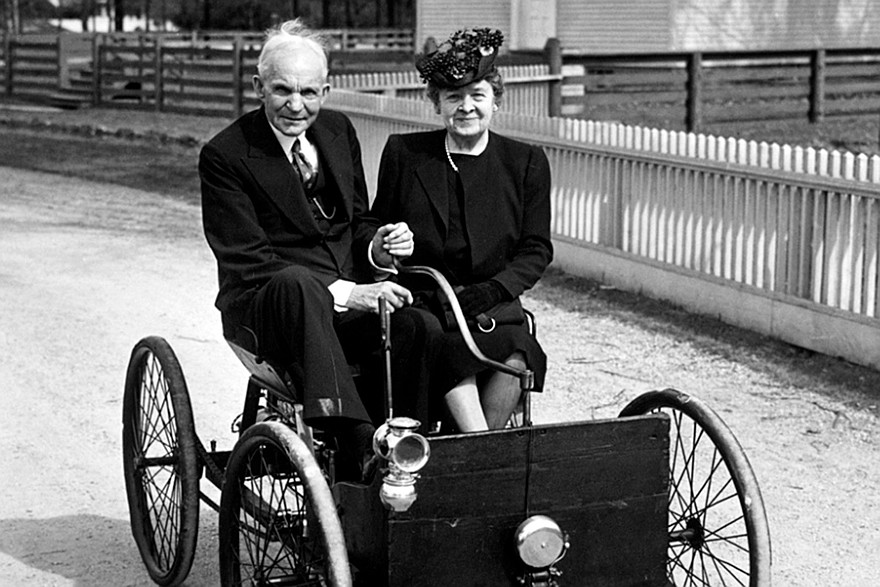
Perhaps the reason was also that Ford himself, by that decade, was, to put it mildly, no longer young, and he died in 1947 at the age of 83, having previously handed over the presidency of the company to his grandson Henry Ford II in 1945.
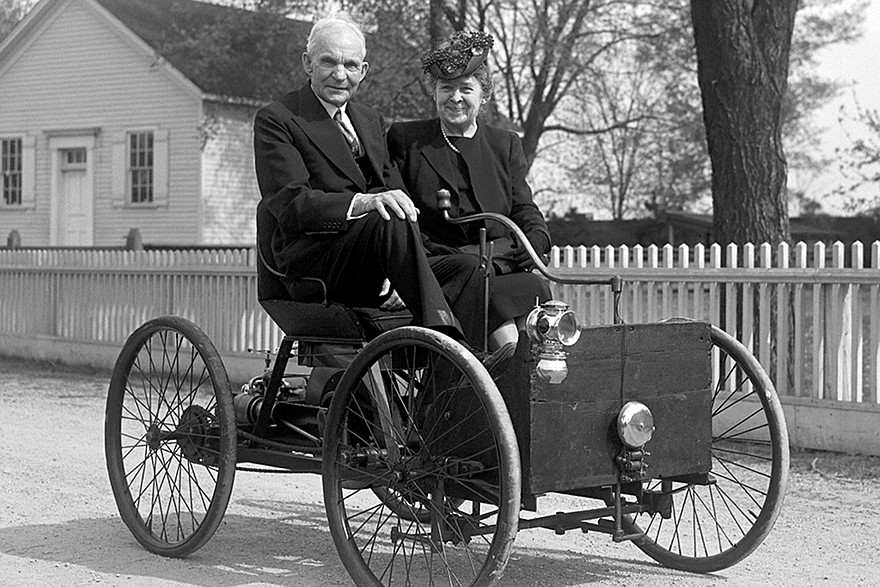
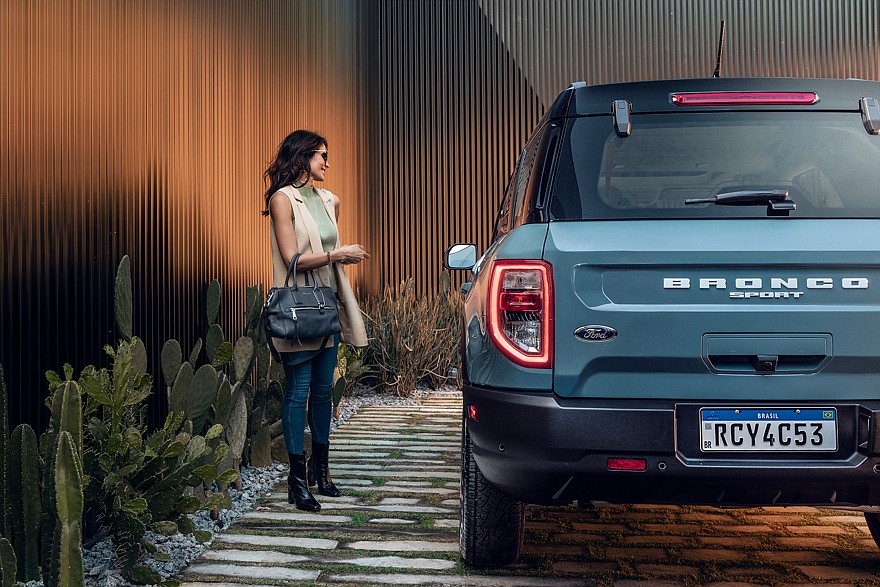
And so the soya car remained forever the brainchild of the great Henry, which never saw series production. However, in the new century, Ford returned to the idea of using plant-based components and food waste. Today, headlamp housings are made from bioplastic based on coffee husks (waste from McDonald's). The Ford Bronco Sport became the first model in which the wiring harness clips are made entirely from ocean plastic waste. Ford's protective decorative engine covers contain up to 30% nylon from recycled carpets or bioplastic from tomato skin.
So, nearly a century later, old Henry Ford could well be proud of his legacy – his ideas have not only remained relevant, but have found their way into modern cars bearing his surname.
Comments
0 comments