
5 reasons to buy and not to buy the Ford Focus III
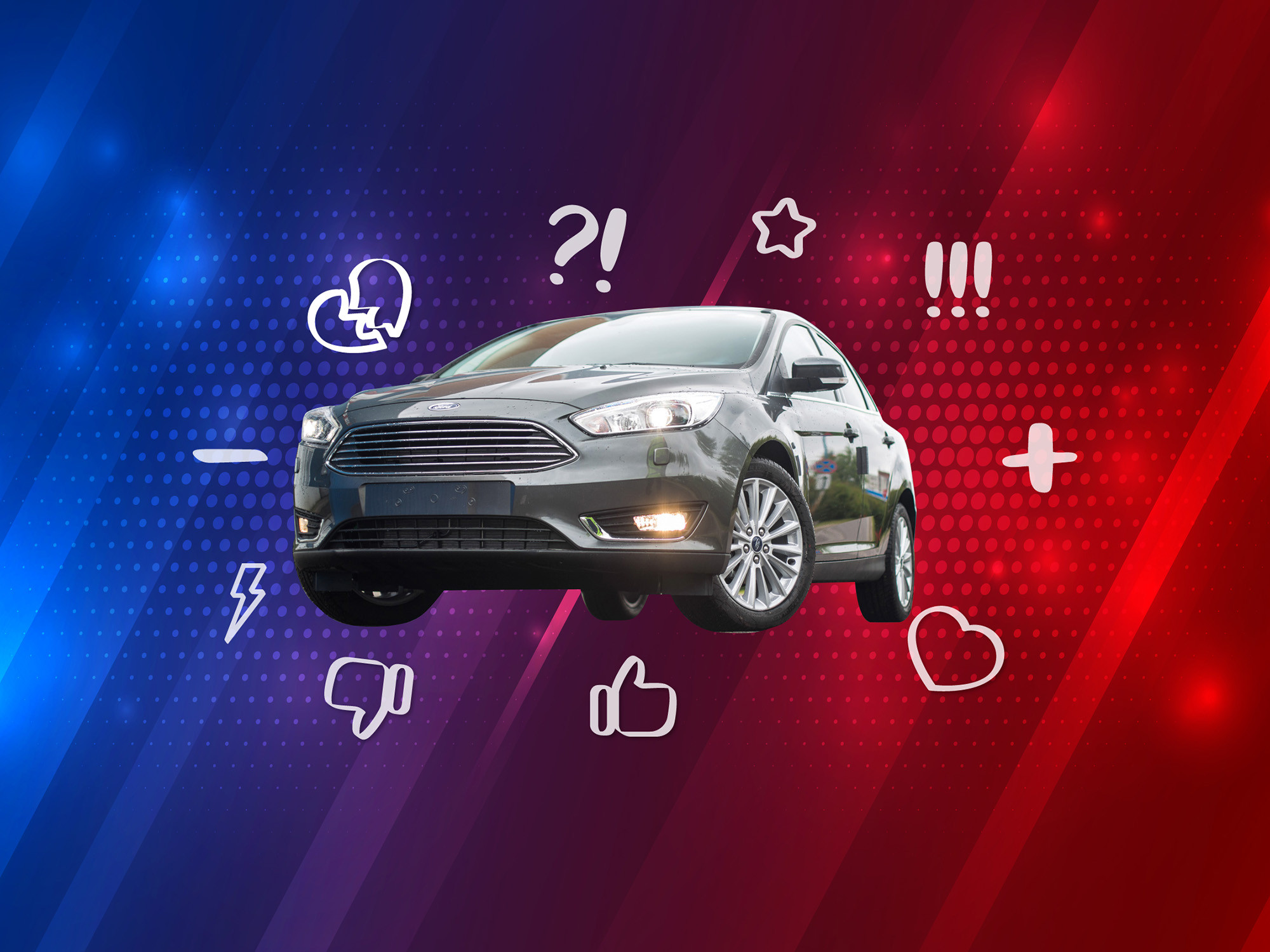
What exactly is the "third" Focus? Jokers on internet forums of those years called it a credit-mobile and the favourite car of office plankton, but perhaps it is a people's foreign car and a practical family vehicle? Let's try to figure it out.
When developing the third-generation Focus, Ford returned to the concept of a global model and, although the premiere took place at the NAIAS motor show in Detroit (the debuts of previous generations were held in Europe), production of the model started simultaneously in Europe and the USA – in March 2011. It took only three months to launch production of the new model at the Ford plant in Vsevolozhsk. It is worth noting that we are interested in cars after the 2014 facelift – by age, these are precisely the ones that fall into the category of interest for purchase on the secondary market.
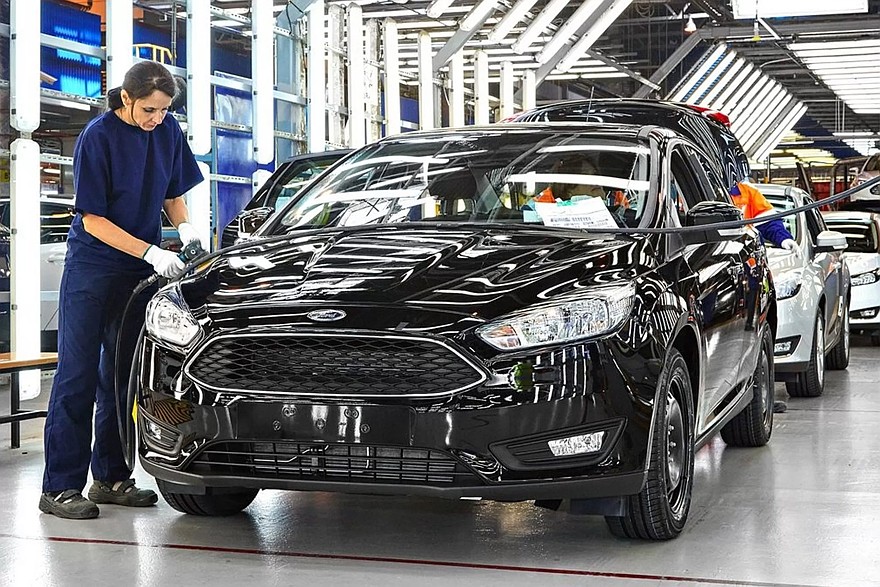
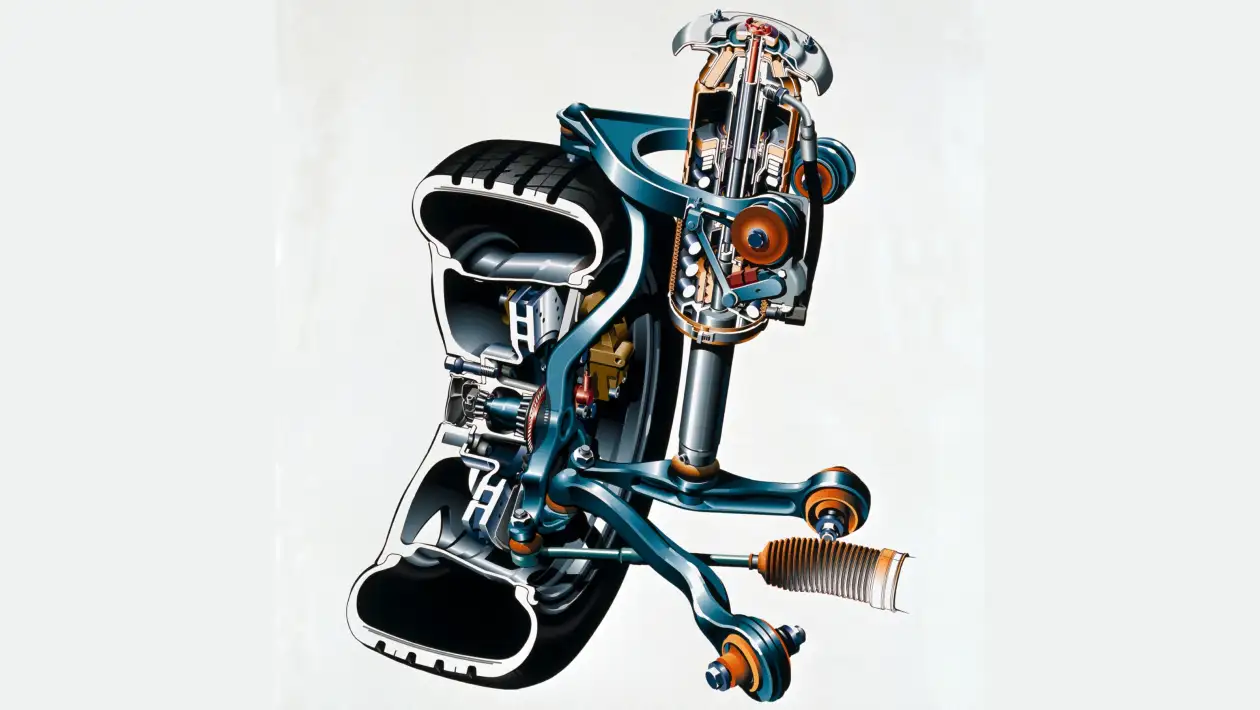
In Russia, the Ford Focus III was sold with three body types: saloon, hatchback and estate. The suspension is fully independent, with MacPherson struts at the front and a multi-link setup at the rear. The range of powertrains consisted of three versions of the 1.6-litre naturally aspirated petrol engine from the Duratec family with three power outputs – 85, 105 and 125 bhp. The 85 bhp version was paired with the iB5 manual gearbox, while the 105 and 125 bhp engines could be paired with the PowerShift automated manual (also known as the Getrag 6DCT250).
The top versions were equipped with the 150 bhp 1.5-litre EcoBoost turbocharged four-cylinder engine, as well as the 6-speed 6F15 torque-converter automatic gearbox. Other combinations of engines and gearboxes are considerably rarer – for example, the 150 bhp EcoBoost with the 6-speed MMT6 manual, or cars imported from Europe with diesel engines producing 95 or 120 bhp, paired with manual gearboxes or the PowerShift 6DCT450 automated manual.
Today, the third Focus in its facelifted form is represented by a fairly large number of listings – in the central region alone there are more than 700. It is noteworthy that the price range in the adverts is exceptionally wide: depending on the year of manufacture, trim level, mileage and condition, sellers are asking from 310,000 to 2.7 million roubles for their cars.
Incidentally, back in the day we devoted several articles to the problems that buyers of the third Focus might encounter – both in general, and with a detailed breakdown of the troubles with individual systems, from the bodywork and electrics to the engines, gearboxes and suspension. That analysis is based on expert opinions and statistics from service centre visits. But what do owners of such cars write – what did they like, and what provoked outright hostility? Let's take a look.
The days when the Ford Focus was the people's foreign car are long gone. Back in the noughties, the Focus was significantly cheaper than all imported rivals in its class thanks to localisation. Then Renault, Volkswagen, and after them the Koreans, decided that it was not right to let a single brand devour such a tasty pie all on its own.
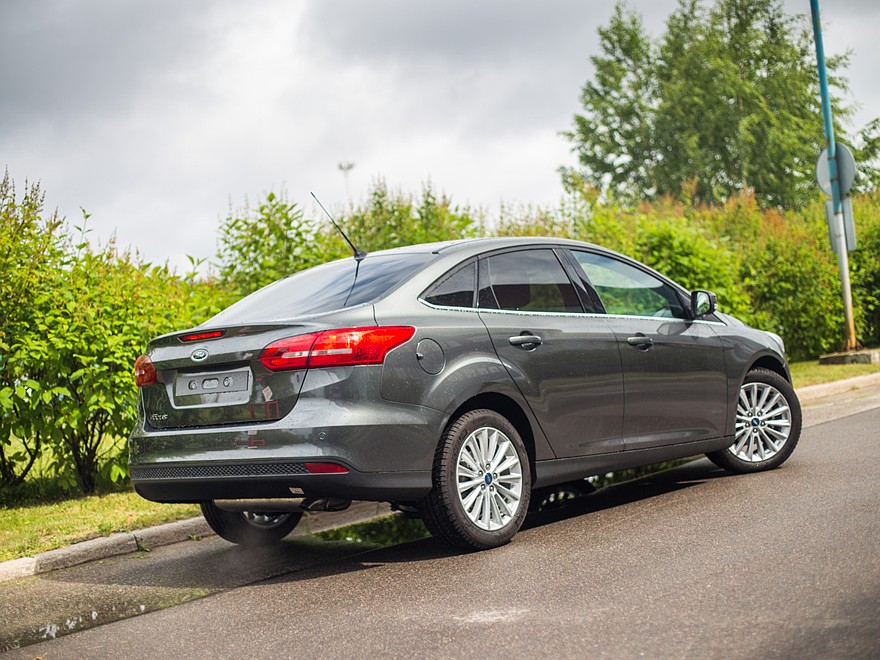
The price also rose: by the time of the 2014 facelift, prices for the "third" Focus started from 700,000, and by 2019, when the company effectively withdrew from the Russian market, the model already cost 1–1.4 million roubles. Naturally, sales collapsed several-fold: from 92,200 in 2012 to 11,200 cars in 2016. Add to that the fairly high costs of servicing and repairs.
Prices on the secondary market cannot be called bargain-basement either: cars from 2017–2018 with relatively low mileages and in good trim levels are quite expensive. For saloons and estates, sellers are asking 1.75–2 million, and for hatchbacks – as much as 2.2–2.7 million roubles! Of course, the market is also full of cheaper cars. Vehicles from 2015–2016 with naturally aspirated engines producing 85 and 105 bhp, manual gearboxes and mileages of up to 500,000 km – and most often ones that have worked hard in taxis – can be bought for 300,000–320,000 roubles. But such a purchase can hardly be called trouble-free.
Indeed, owners of used Focuses who have left their reviews online agree with such statements: "I can note the high cost of spare parts after the company left the market," "Overall, a solid old banger. Though you can no longer call it cheap," "Perhaps its only plus is the looks. The rest will become a headache for you." Of course, the last statement should not be taken as the absolute truth: the model has plenty of quite objective merits, and if you find a car with an honest mileage of 20,000–40,000 km, you can quite reasonably count on several years of trouble-free motoring.
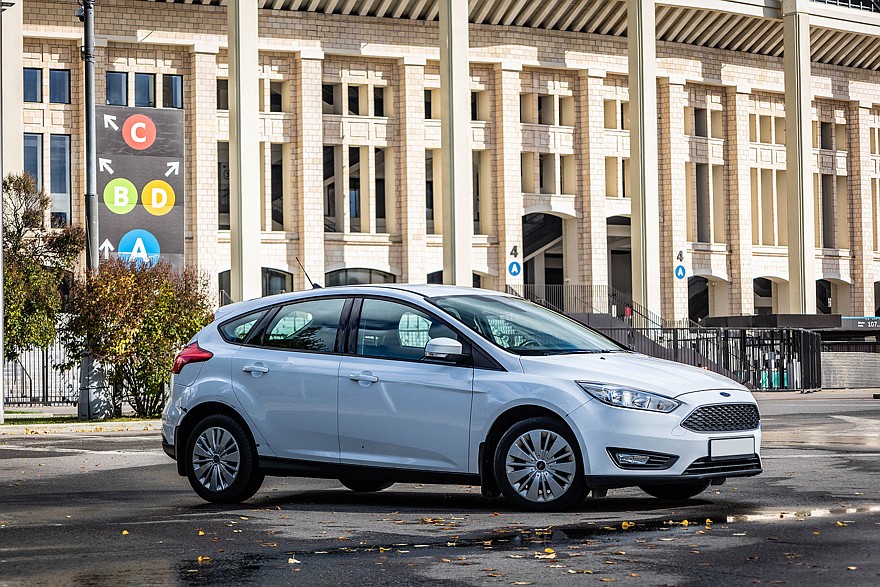
Nevertheless, many review authors confidently assert that the Ford Focus III is the best, and across many parameters at once. Some, for some reason, name models that actually belong to the B and B+ segments as the Focus's main rivals: "I always thought the Ford Focus was the most stylish among its competitors (Solaris, Polo). I drove it for several years and stuck to my opinion," "I switched to it from a Kia Rio. I haven't regretted it for a single minute."
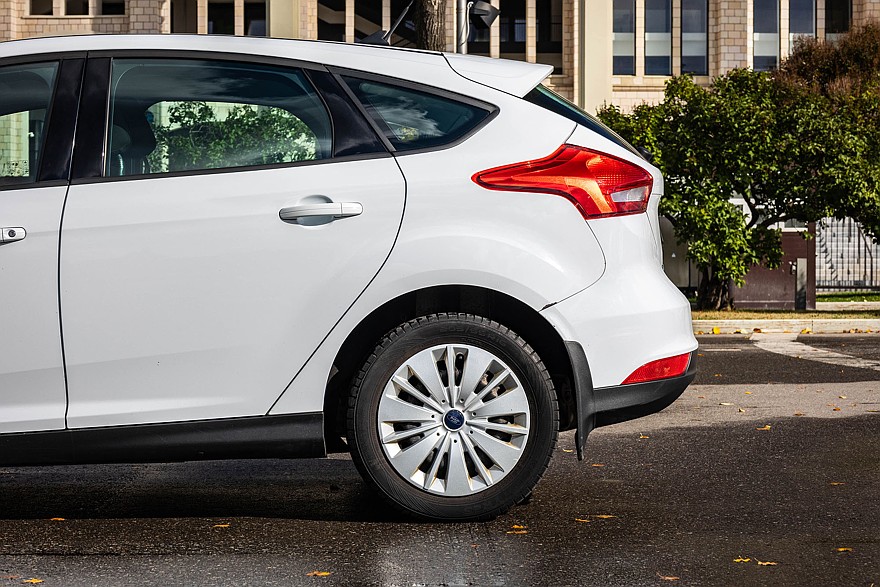
But many compare the model with genuine rivals in its class that have already gained popularity: "The car lived up to my expectations, excellent transport in its class, the looks are simply fire, it attracts attention in traffic." At the same time, die-hard "Focusers" note that the facelift really did it good: "Overall, the facelift turned out well, they freshened up the exterior a bit, the rear end became more interesting," "I really like the looks, which even five years after purchase still look modern and don't yield to many of the latest newcomers."
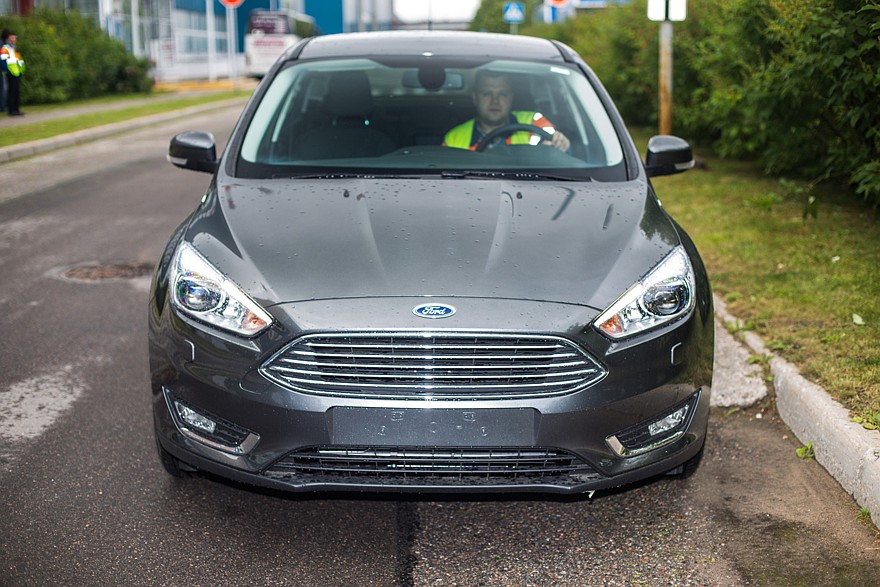
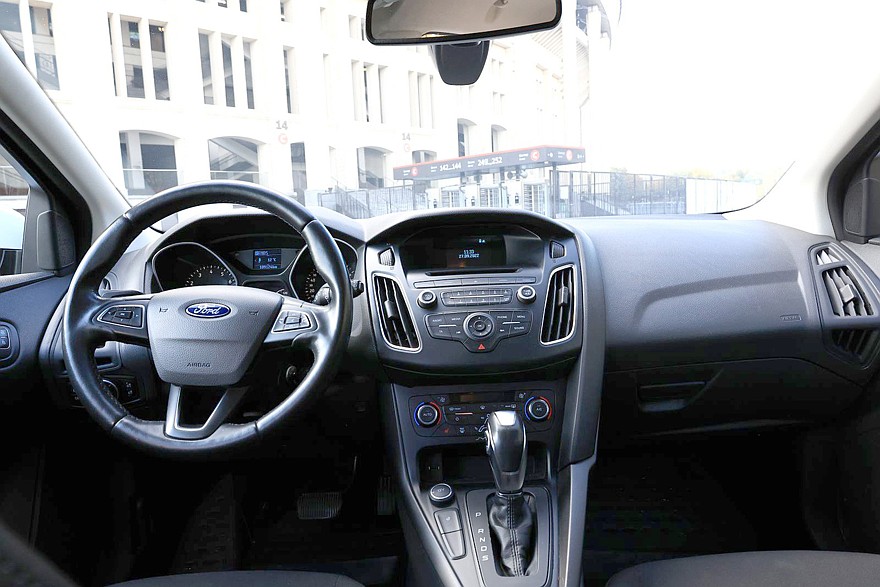
Some praise the interior: "A car created as if especially for me. The design, especially the interior, is the best. It stands out from all the cars in this price segment," "Based on the test drive, the Focus wiped the floor with the Ceed – in terms of dynamics, handling and sound insulation, and even the interior." We'll return to the discussion of dynamics and handling shortly, but as for the cabin, fans also note the excellent level of equipment. True, this mainly applies to the top trim levels: "I took the Titanium trim. Handling, dynamics, packed with electronics. It beats its competitors in its price range by a clear margin."
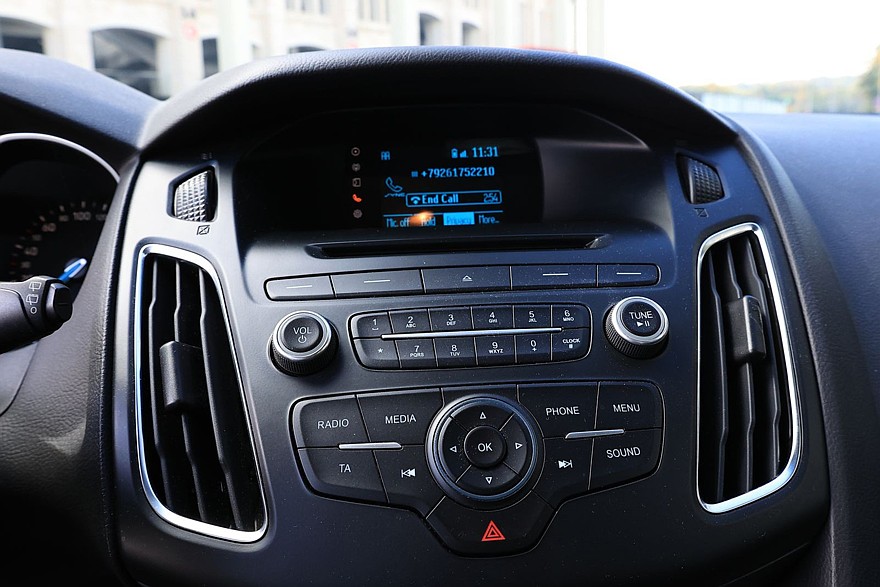
Perhaps, against the backdrop of modern Chinese crossovers, the equipment of the Ford Focus, even from 2018–2019, might seem modest, as might the proprietary Ford Sync 3 multimedia system. Nevertheless, owners speak of the model's equipment with great respect: "Dual-zone climate control, light and rain sensors, heated steering wheel, front seats, mirrors and windscreen, auto-dimming mirror, four one-touch windows (hello to the 'Koreans' with a single one-touch window even in the top-spec K5)," "I really liked the trim: heated everything, multi-coloured interior lighting, lumbar support. The multimedia is fine. Quite convenient, plays loudly and cleanly. Apple CarPlay / Android Auto is there."
When discussing the lighting of the "third" Focus, opinions are divided. Owners of top trims with swivelling xenon headlights say: "Adaptive smart headlights. There was always enough light, they adjust themselves. There are washers, they work well in auto mode," "In the evening on the motorway, you can see everything perfectly well. When you turn the steering wheel, the cornering light comes on," "The factory swivelling xenon headlights are a real thing – the dipped beam is very decent and it lights up the corner."
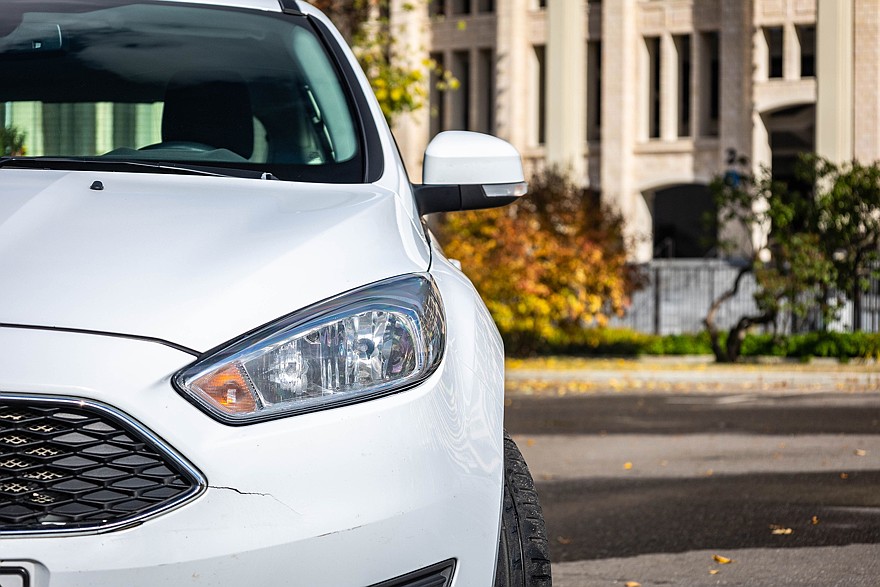
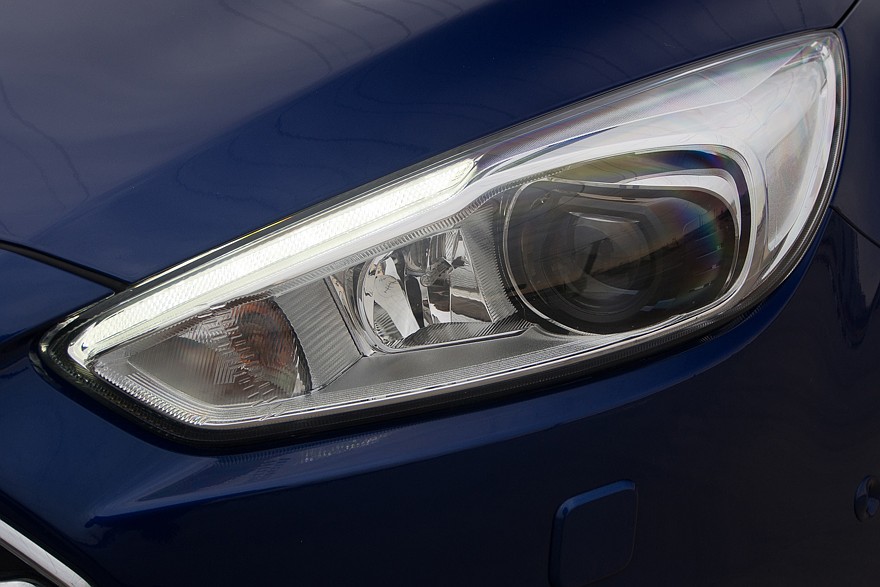
In cheaper trim levels, the situation is different. "What always annoyed me, and what I never got used to – the light with ordinary halogen bulbs! How utterly inadequate, especially after xenon!" "The headlights are halogen, but they shine brightly enough," "By default, the lighting is halogen – I'd have liked LED." But if this situation can actually be remedied, there is nothing to be done about the ground clearance. "The ground clearance is a bit low. You can't even approach just any kerb without caution," "For the dacha, it's certainly a bit low – in ruts it scrapes its belly when fully loaded with passengers." However, there are also those who believe that it is sufficient for a city car: "No problems arose during winter use, even though there was a lot of snow this year," "You can even drive along a dirt road if you know your car's limits."
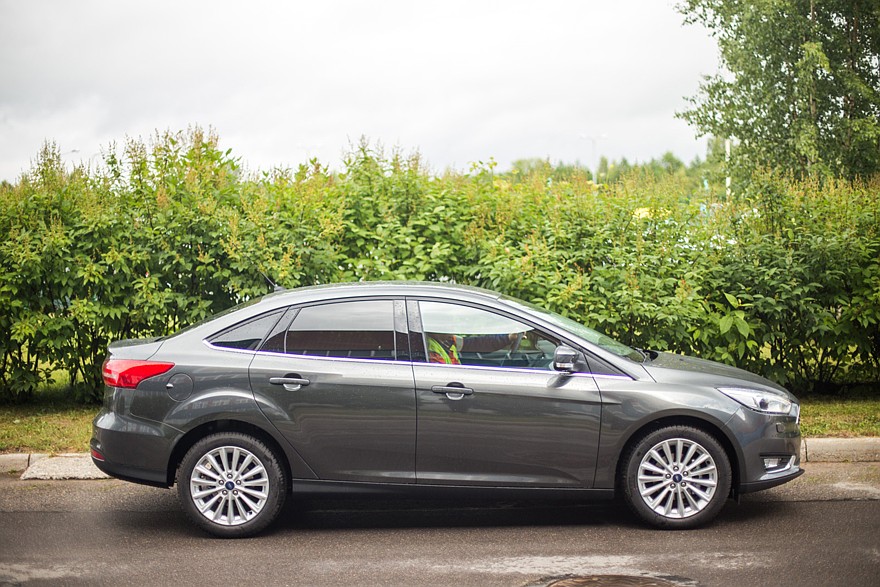
And finally, there are the complaints about the weak paintwork, which have become commonplace for almost all modern cars: "A real minus is the paintwork. In St Petersburg, that's a big problem. There are small areas of corrosion on the rear arches and the boot lid, and that's a shame, even though it doesn't affect performance," "Of course, chips above the arches are a problem on all Focuses. A big minus," "There were no particular problems with the bodywork, except that at the joint of the rear bumper, chunks of paint about 2×2 centimetres fell off."
It is worth noting that in the vast majority of reviews, authors emphasise the comfort of the facelifted Ford Focus III. "The Ford's cabin is very comfortable, the trim materials are good, the plastic on the dashboard is soft, the seats are comfortable, my back doesn't get tired," "Inside it's very comfortable and convenient, controls on the steering wheel, everything heats up," "I can confidently say that it's a very comfortable ride for short and long distances," "The car is ideal for travelling and long journeys."
Owners also note excellent straight-line stability: "It holds the road wonderfully on the motorway," "On the highway it behaves excellently, and the visibility is good." The suspension's performance also earned positive marks: "Unbreakable and soft. It glides over speed bumps with ease," "The suspension is springy, moderately soft," "It holds the road confidently even over uneven surfaces." However, when it comes to acoustic comfort, there are certain discrepancies. Some believe everything is fine: "The sound insulation is normal – at 120 km/h you can talk without raising your voice," while others complain: "At high speeds, you can hear tyre and wind noise in the cabin, which can be irritating."
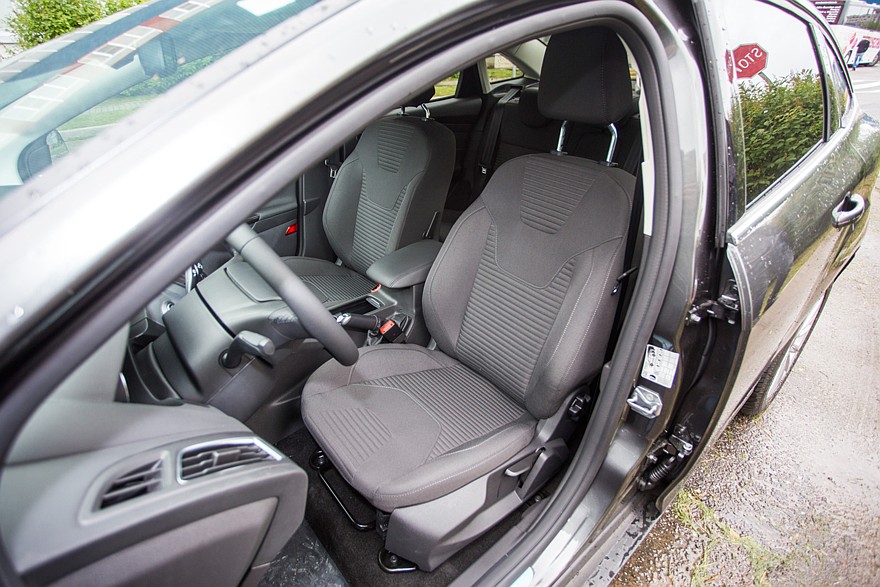
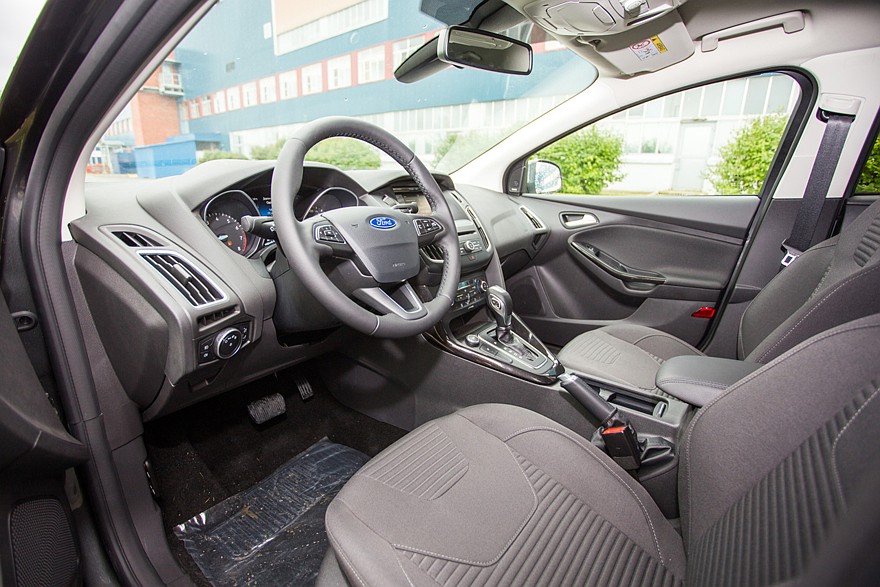
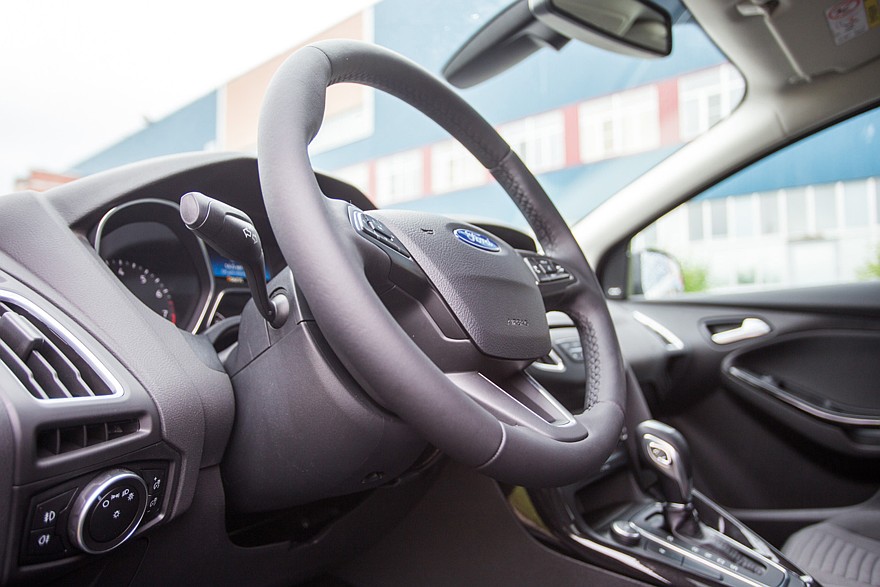
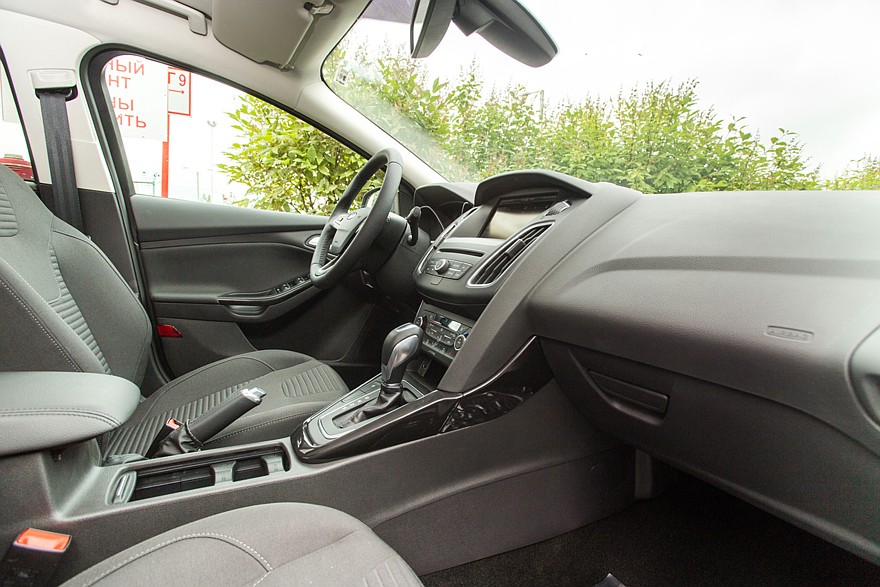
In fact, many review authors list comfort among the model's undoubted merits. But it is worth considering the existence of an alternative opinion: "The car is very strange. It's some kind of hybrid of a cheap economy car and a comfortable saloon. It's made entirely of compromises," "The glovebox is tiny – books barely fit. The pockets are narrow, the elastic in the armrest is falling off, and my knee keeps switching on the lights," "It's a bit awkward here, a bit stiff there. This Ford hasn't gone very far from our cars like the Granta," "Switching from a Lada to a Ford, I think, will be a breeze, but switching from any decent imported car will bring a host of negative emotions."
It must be admitted that Russian motorists still treat pre-select automated manual gearboxes with a fair degree of suspicion. The PowerShift transmission is no exception: "Get the automatic – better not go near the automated manual," "When buying, I specifically chose the automatic because there are many complaints about the automated manual." And what, exactly, are these complaints about? A number of reviews mention incorrect operation in certain modes – for example, when the electronics simply cannot decide which gear to select, causing the car to jerk.
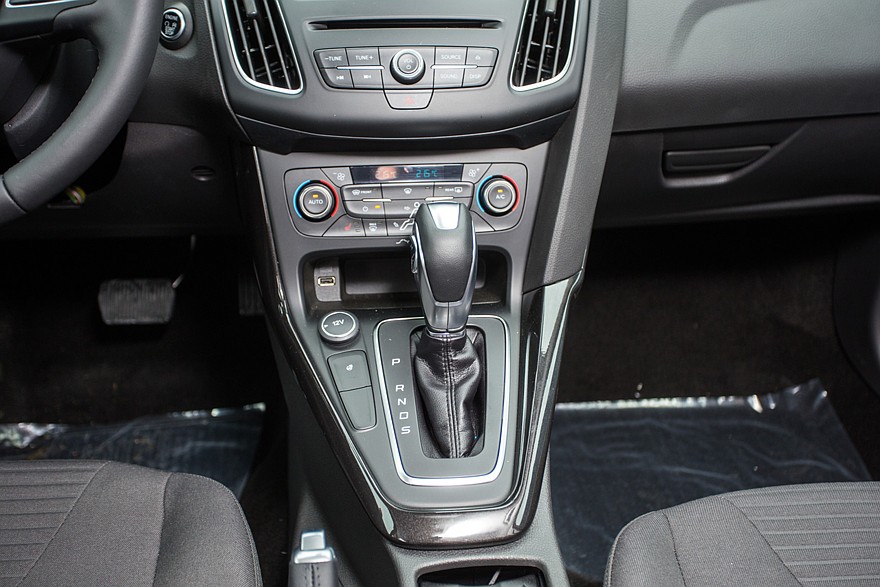
"The car has enough power, but the automated manual ruins everything. Especially in the city, in traffic jams. It often hesitates and can kick during acceleration," "The automated manual hesitates, especially when you floor it," "Everything about this car is excellent except the automated manual gearbox," "The gearbox has a character of its own – it jerks in traffic jams." There are also opinions like: "After 2015, the gearbox was fixed. Very smooth shifts, no thumps at all," "On the motorway it works perfectly – you barely notice the shifts," "In the facelifted version, the automated manual doesn't hesitate at all," "The main thing is to get used to a smooth and calm driving style. The moment you start driving erratically, the automated manual immediately starts jerking and shoving."
Another set of complaints concerns reliability. The unit itself is quite repairable, but the weak points are the clutch and the control module. "I had the clutch replaced under warranty, new software for the gearbox, and the problem went away," "Problems every 30,000 km are guaranteed. The repair cost even at non-official dealers was 140,000 roubles." In short, as one owner wrote in his review, "Only the lazy haven't bad-mouthed the PowerShift automated manual."
However, many owners report in their reviews that they had no problems with the gearbox throughout the entire period of operation: "Six and a bit years of ownership, 108,000 km on the clock. The automated manual gave me no trouble at all – I sold it with the original clutch and without a single complaint"; "Mileage 140,000, original clutch, nothing was done at all"; "I've been driving with the automated manual for seven years now, no complaints whatsoever." But still, when buying a Focus III with an automated manual on the secondary market, it is worth bearing in mind that the gearbox repair problems might just land on your plate.
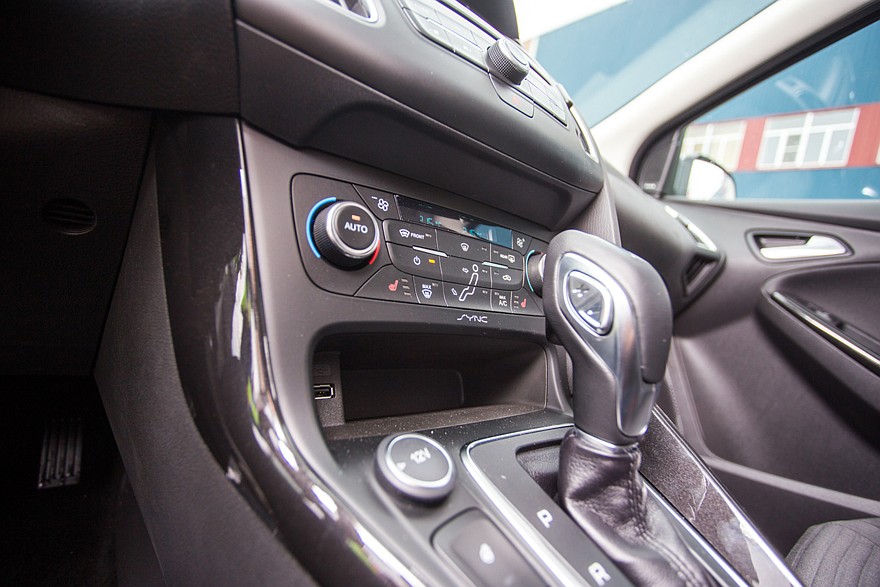
What Focus owners praise with remarkable unanimity is the dynamics: "Very lively! It's impossible to dawdle in it – it wants to show off," "Positive impressions of the dynamics. It picks up speed well and holds the road," "Excellent acceleration from standstill – you leave the majority behind at the traffic lights," "The car is like a bullet – nippy and comfortable," and so on in that vein.
Of course, the driving experience of versions with different engines and gearboxes varies somewhat: "105 bhp for a car with a kerb weight of 1.2 tonnes is very weak. To accelerate at all, you have to keep revving the engine." Although some might be perfectly satisfied with this version: "I have the 105 bhp with the automated manual. I experience no problems whatsoever." The golden mean is the 1.6-litre naturally aspirated engine with 125 bhp: "I consider it the most optimal option for the Focus. It drives noticeably more pleasantly than the 105 bhp or, even more so, the 85 bhp. At the same time, it's much simpler to maintain and less fussy than the 150 bhp one."
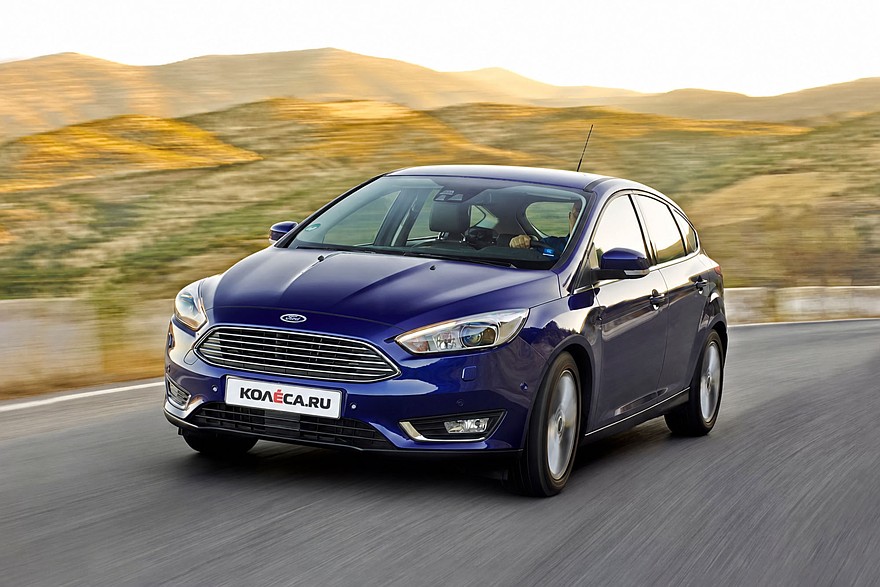
Judging by everything, this engine already allows you to feel quite confident, albeit with some caveats: "It goes quickly, but not as quickly as I'd like," "Reasonably sharp, although the automated manual does hesitate at times, especially when you floor it." But with the manual gearbox, the driver can appreciate this engine's pulling power: "What catches your attention are the very short gear ratios, which was unusual at first. That is, in the city, it turns out you can already drive in fifth gear."
But the leader turns out to be the top-of-the-range 150 bhp EcoBoost: "Excellent dynamics! No hesitations, no thoughtfulness, no sluggishness – any overtaking is easy and without worry," "All overtakes take 3–4 seconds. Lorries, cars, triple and double overtakes – no problem, the car pulls like a tank." In short, everything is fine in terms of dynamics. You just need to remember that Russia has winters, and during that time of year you should be a bit more careful. Although the third Focus can hardly be called completely helpless on snowy roads: "In winter, the car never let me down – it pulls out of small snowdrifts confidently. On slush, it behaves predictably."
What is genuinely pleasing, though, is that the Focus III's dynamics are combined with fuel efficiency. There are also owners who consider the car too thirsty: "The fuel consumption turned out not to be very low – on the motorway it was about seven litres, in the city 11.5 on average – I expected less"; "I'll also note a minus – the fuel consumption. In Moscow, it gives me 10 litres – it could have been less"; "Thirstiness is a significant drawback." But those who list fuel efficiency among the car's merits in their reviews are an order of magnitude more numerous! "The fuel consumption is very pleasant – 6–7 litres on the motorway and 7–8 litres in the city"; "With the 1.6 engine, fuel efficiency is good – about 6–7 litres in the combined cycle"; "Low fuel consumption – 8–9 litres in the city in traffic jams – I think that's splendid." So there you have it.
When Ford introduced the turbocharged EcoBoost engine family in 2014, the company placed huge hopes on it – after all, it was supposed to allow it to at least keep pace with the Japanese and German companies. Alas, everything comes at a price, and for technical sophistication and power combined with efficiency, a whole bouquet of problems had to be paid for.
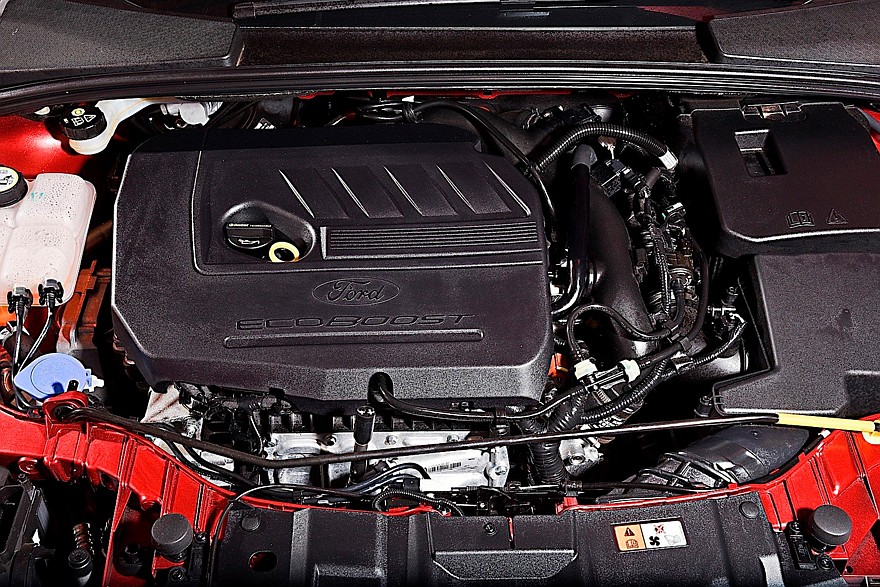
"The EcoBoost turbo engine is not about reliability. It's not repairable. Various repair options are offered, but there's no guarantee that after a couple of tens of thousands of kilometres it won't throw up surprises again"; "It's also unrepairable. Apparently, they've learned how to repair it, but it's unclear how, because this engine has very thin cylinder block walls"; "The turbo engine is disposable." And this reputation has quite real grounds. "After buying an FF3 from 2018 with 140,000 km on the clock, blow-by gases started leaking into the cooling system. The problem is in the bridge between the 2nd and 3rd cylinders in the block. As the mechanic explained, this is a problem with all EcoBoosts."
More fortunate owners may tell you that the engine worked perfectly well during their ownership, or at least with minor and quite solvable issues: "Everyone around was twirling their finger at their temple, but I bought an EcoBoost and in all these years I've had no problems with it at all." And everyone unanimously reminds of the need for careful maintenance, timely oil changes, and the use of quality fuel: "EcoBoosts run fine too, if you look after your car rather than pouring any old rubbish into it," "The EcoBoost is an excellent engine – torquey at low revs and flexible at high speeds. The engine loves good lubrication, it's important to keep an eye on the coolant, it doesn't like overheating – the consequences are dire. These aren't cast-iron blocks like before – it's thin aluminium."
In terms of handling, the Ford Focus III truly proved worthy of its predecessors. Review authors are surprisingly unanimous on this point, with both the handling and the suspension's performance over uneven surfaces earning high praise: "The dynamics and handling are simply out of this world. The best among all the foreign cars I've ever driven, with the exception of the BMW X6"; "The Ford Focus behaves beautifully on the road – I was surprised at how easy it is to drive. The car seems to merge with the road, every corner is taken with ease"; "On the motorway at high speed, it goes magnificently."
"The suspension is something for which you could sing praises to the Focus almost endlessly. No car of a similar class handles or holds the road the same way," "On the road it proved itself confidently, it responds to the steering wheel precisely, and the steering wheel itself has a pleasant weight." And that's just a small fraction of the enthusiastic words I found. Add to that the absence of serious complaints about the suspension's reliability. Some mentions of its repair do appear: "At 120,000 km, the rear suspension was replaced," "After nine years, I replaced the entire suspension." But those who consider the suspension "very reliable" and "unbreakable" are significantly more numerous.
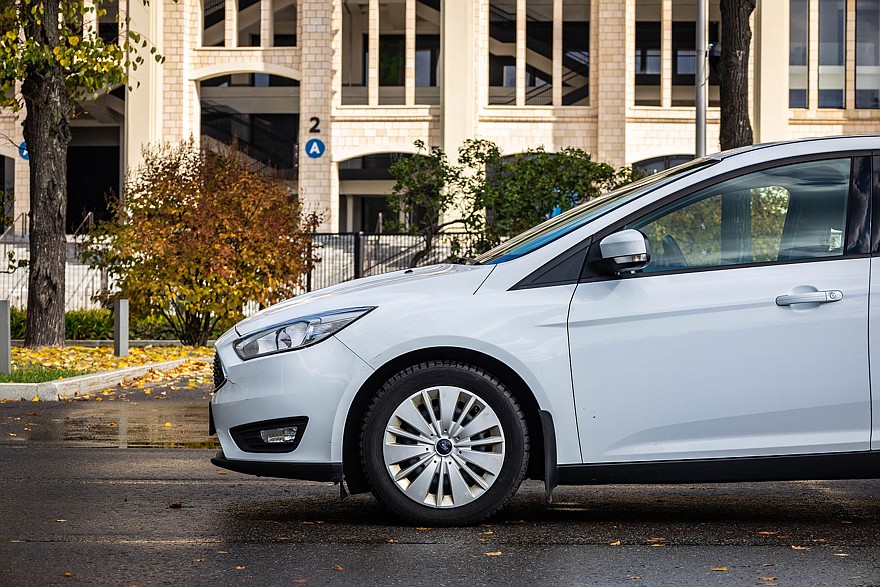
Well, the main drawback of the Ford Focus III, according to review authors, is the insufficiently spacious cabin, primarily in the second row. And there are plenty of questions about the boot as well. "The downsides include the cramped cabin – I can no longer sit comfortably behind myself"; "The cabin is cramped – very little legroom for rear passengers"; "If you plan to regularly carry someone in the back – I wouldn't recommend it." However, not everyone agrees that the front row is fine: "The cabin is very cramped. I constantly caught the light switch with my knee," "The Focus is cramped – that's a fact. But I like it – you sit behind the wheel as if in a cockpit."
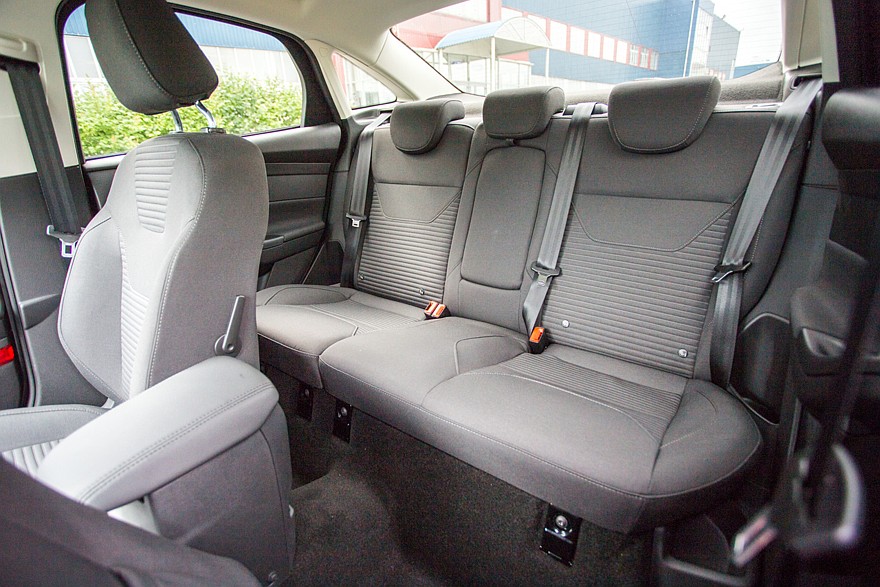
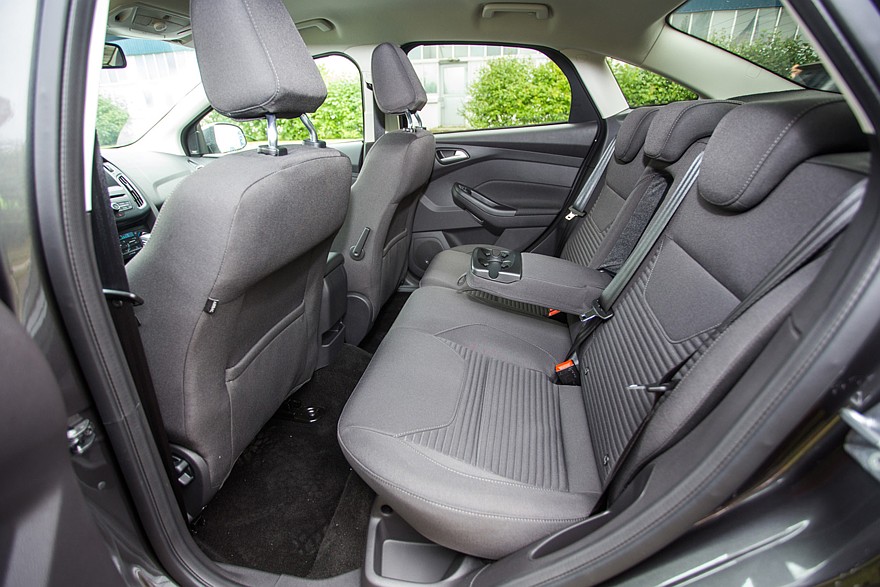
And in the end, the reason for selling the car sometimes even becomes a new addition to the family: "I would have continued to be a hundred per cent happy with the car, but over these years I managed to have a child, get divorced, remarry, and have another child. With a pram – the boot is a minus; two child seats in the back – the rear row is a minus." Disagreements also arise in assessing the boot's capacity: "Two large suitcases fit easily, and you can still put something else in"; "With the seats folded down, I even transported a one-and-a-half-metre stepladder"; "In the saloon, you can even sleep overnight if you fold down the rear row and clear everything out of the boot."
There are also plenty of those who are categorically dissatisfied with the boot: "The boot fits 1 (one!!!) wheel when changing tyres"; "The narrow opening doesn't allow you to shove anything in"; "The boot lid hinges get in the way of using the full volume"; "The opening of both the boot lid itself and the passage into the cabin with the rear seats folded is catastrophically small," "Any incorrectly placed bag will prevent you from fitting the rest into the boot – despite there being plenty of free space."
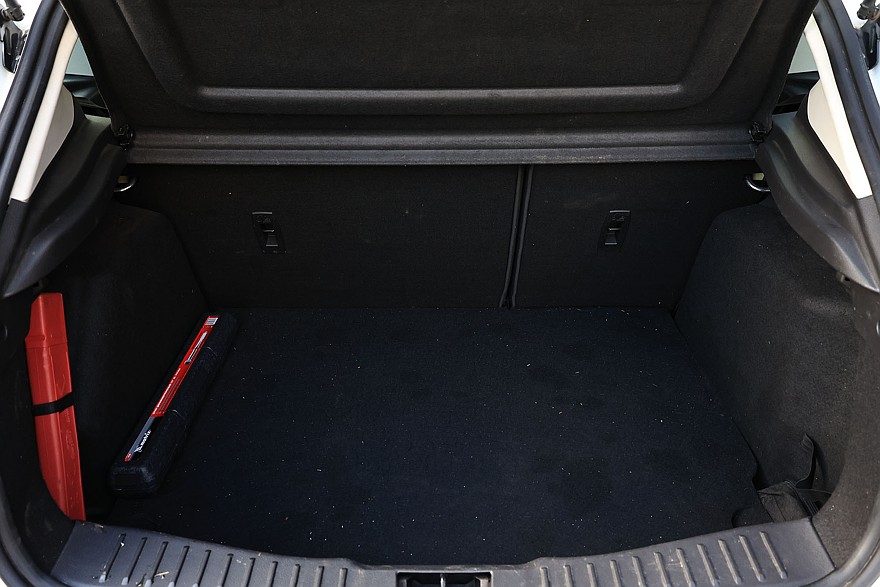
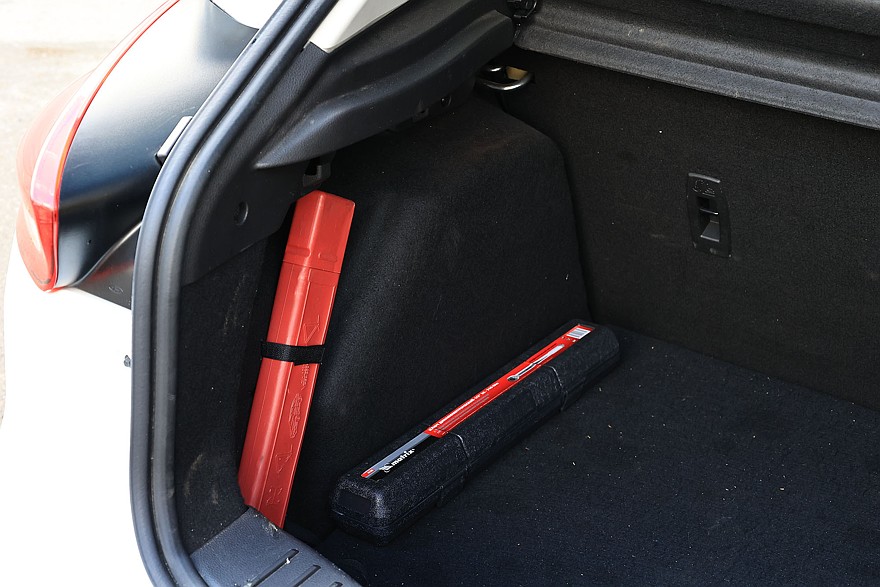
In this respect, the hatchback looks more attractive, although formally its boot is even smaller: "It's enough for the city, but for a long trip over an extended period with luggage for more than two people – it could be a problem"; "Unlike many cars, the hatch has a flat floor with the seats folded down – I carried a fridge in there," "Personally, the boot volume was enough for me, and if you remove the parcel shelf, a full set of wheels fits in without any trouble." And owners unequivocally praise the estate's capacity: "It's simply a hold – I even slept in it several times with the seat backs folded down," "The boot is large and capacious – you can make a double bed."
Cars come in all sorts. Some are like hard-working little donkeys: modest, unremarkable, but patiently doing their job day in, day out. There's usually not much to say about them: you arrive, sit down, start up, drive from point A to point B, get out, forget. But there are others, with bright merits and equally evident drawbacks. It is precisely such cars that make you want to get behind the wheel and tear off into the wind. The third Ford Focus belongs to this category, albeit with some caveats. In any case, it's not all versions that evoke vivid emotions, but only those equipped with the senior engines from the range.
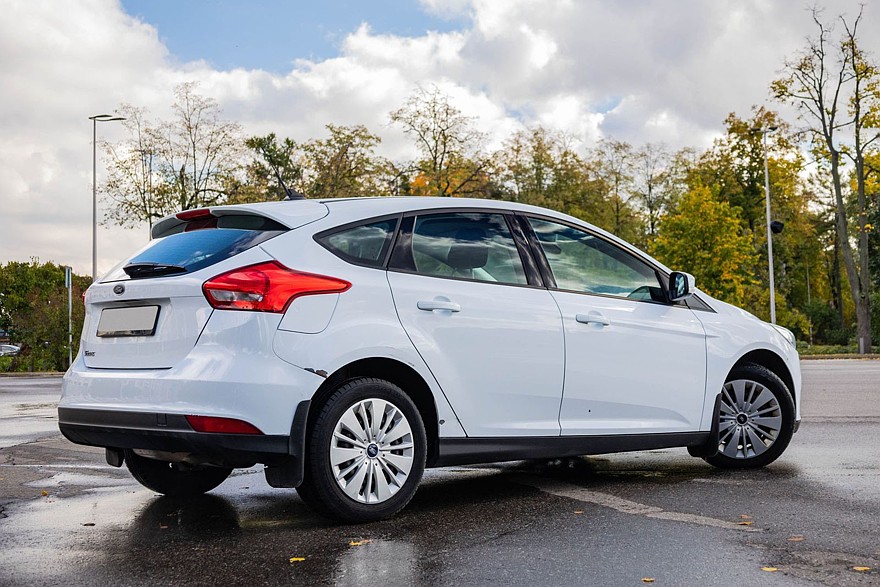
Owners write: "The car is dynamic, it delivers emotions"; "There are moments when I fondly recall the feelings this car evoked"; "It's simply a fairy tale. You're constantly looking for an excuse to go somewhere in it. You just want to drive and drive." And there's nothing more to add here, because the main components of that very emotionality were the dynamics, handling and superb suspension performance, which we've already discussed. And one might also note that the Focus III quite fits into the category of "lad's cars." At least, reviews often say exactly that: "By character, the Focus suits young lads who want to have a blast."
Comments
0 comments