
Illegal 'seat belt clips' to be blocked at source, new seat belts to be fully implemented
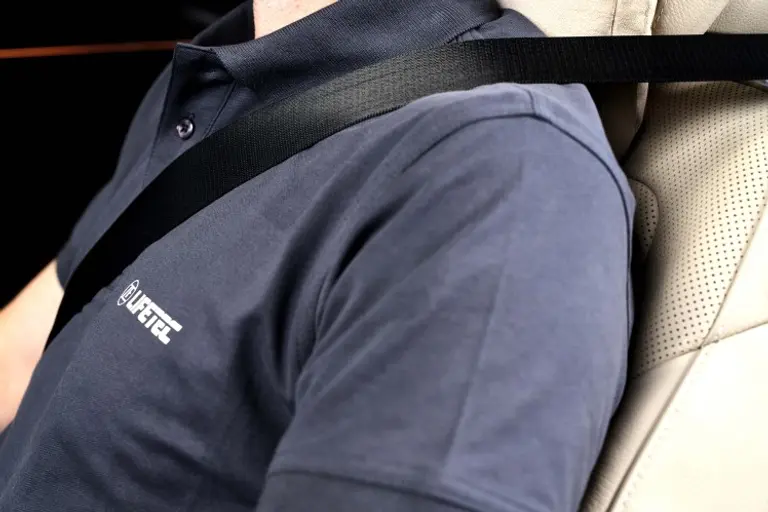
It is possible that in future new cars, seatbelt clips will become useless. Seatbelt clips are illegal accessories used by occupants to disable the seatbelt warning chime. ZF LIFETEC, an automotive safety component manufacturer, is introducing a new seatbelt. The new seatbelt is expected to prevent safety accidents caused by illegal accessories.
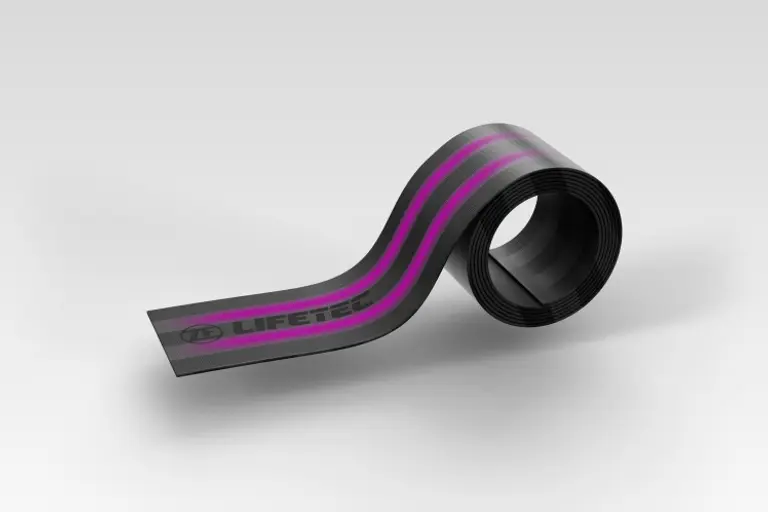
The new seatbelt was developed in response to the fact that cameras monitoring the vehicle interior are becoming mandatory. ZF LIFETEC has combined the seatbelt with a special yarn capable of generating infrared signals, designed so that the in-car monitoring system can distinguish the seatbelt. This allows the system to determine whether the seatbelt is fastened regardless of the brightness inside the vehicle. ZF LIFETEC plans to roll out the new seatbelt technology in full from August 2026.
It will not only detect whether the seatbelt is fastened, but also whether it is worn correctly. The European Union (EU) has made it mandatory for new cars launched from 7 July 2026 to be fitted with interior cameras. This is expected to accurately detect whether occupants are wearing their seatbelts incorrectly and, through in-vehicle warnings, encourage proper seatbelt use.
In Europe, the mandatory wearing of seatbelts began in January 1976, and nearly 50 years have passed to the present day. In South Korea, wearing seatbelts in all seats has been mandatory since 2018. However, according to the 'Analysis of Seatbelt Wearing Practices' published by Samsung Fire & Marine Insurance's Traffic Safety Culture Research Institute in October 2025, rear-seat seatbelt wearing rates remain low.
According to data collected from 720,000 vehicles via an automatic detection system installed at the Seoul tollgate on the Gyeongbu Expressway between January and June 2025, the driver seatbelt wearing rate was 86.4%, and the front passenger rate was 85.9%. However, the rear-seat rate was only 28.4%. This is significantly lower than Germany's 95%, the UK's 92%, and the US's 82%, and is cited as a major factor contributing to South Korea's high traffic fatality rate.
Comments
0 comments