
AVTOVAZ has unveiled a new family of engines for its upcoming models.
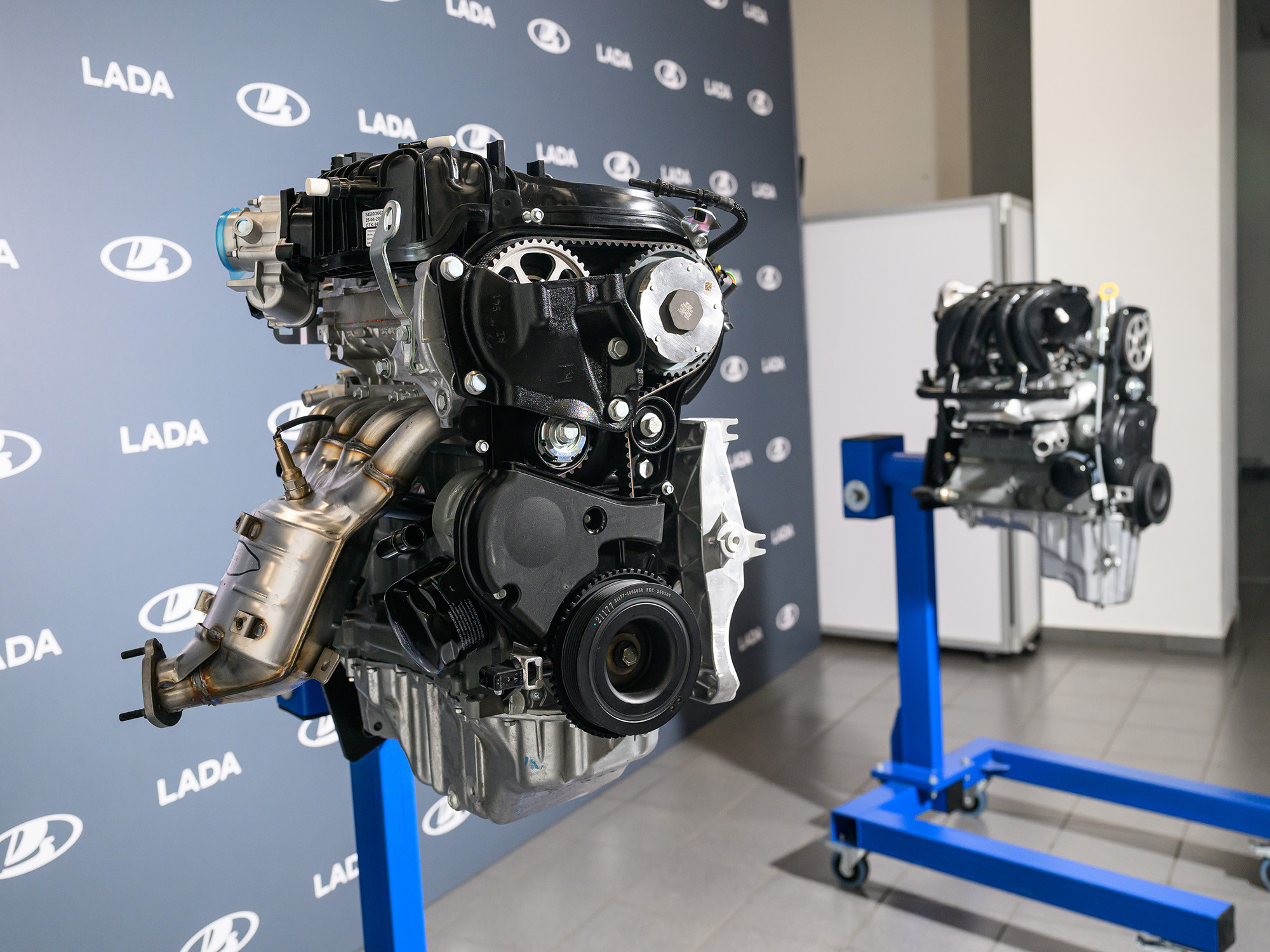
Ahead of the start of serial production of the Lada Azimut, AVTOVAZ is launching production of new 1.6 and 1.8-litre engines. The head of the powertrain design department emphasised that the new engines are not merely a modification of the 1.6 and 1.8-litre units that have been produced in Tolyatti since 2013 and 2016 respectively. These are genuinely new units, although the designers did draw on already-proven technologies during their development.
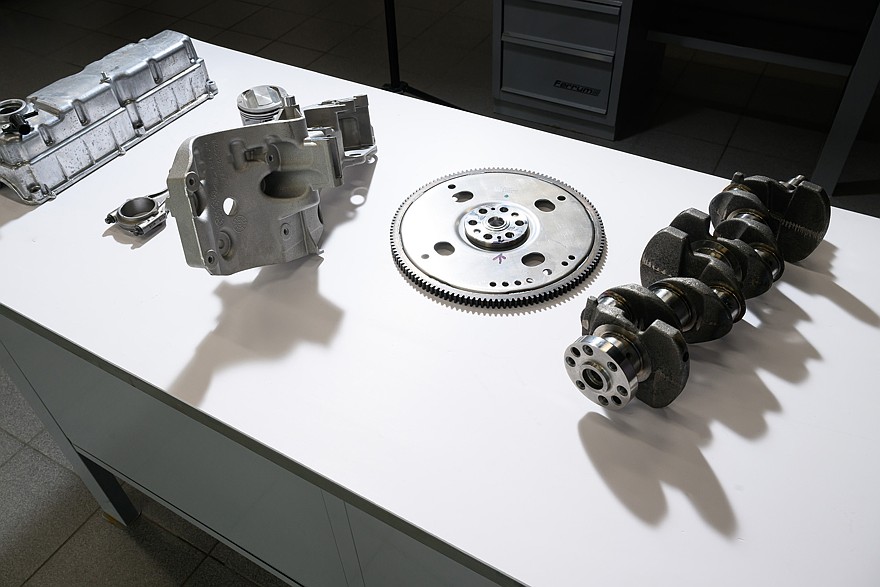
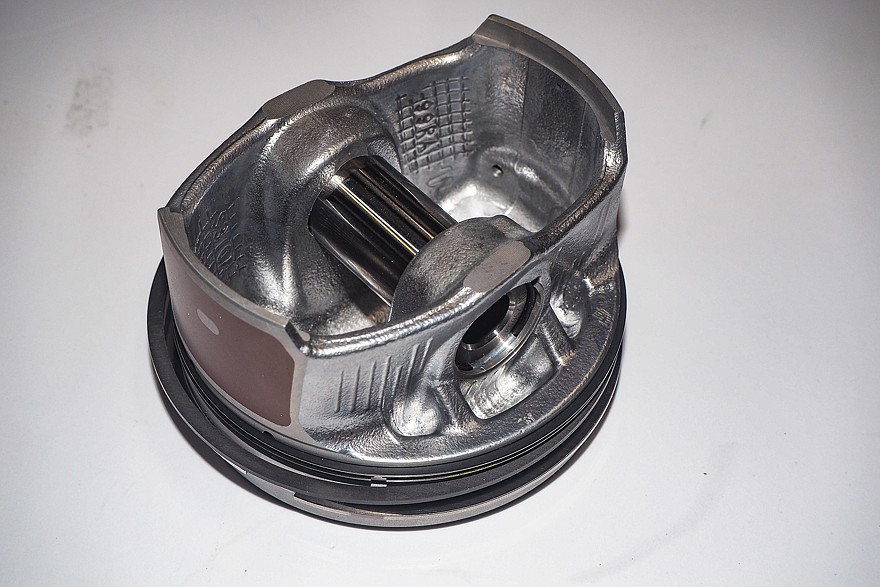
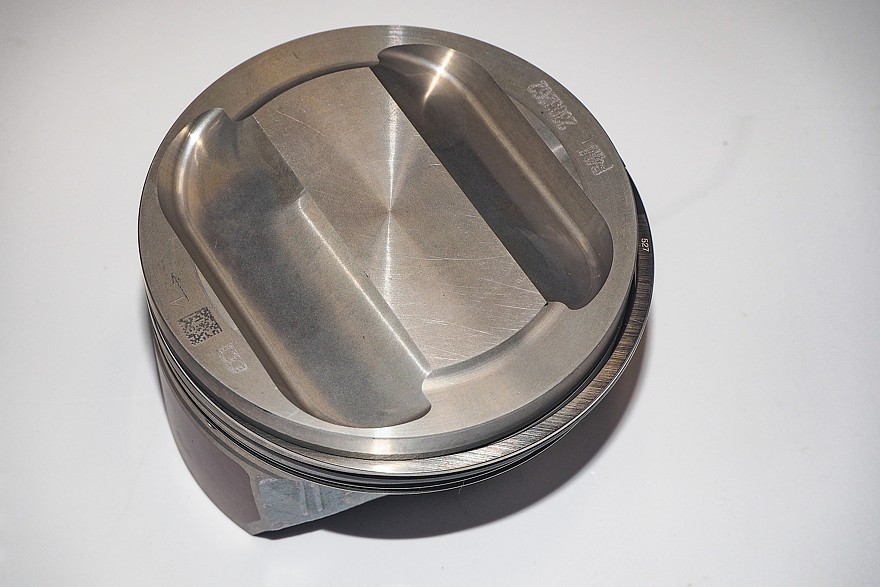
The 1.6-litre engine has received a completely new crankshaft with the number of balance weights reduced to four, new pistons with a revised shape, and a variable valve timing system. The crankshaft of the 1.8-litre unit still has eight balance weights, but now features reworked counterweights to accommodate oil jets for piston cooling, which has also reduced the crankshaft's mass and mechanical losses, an optimised combustion chamber in the piston – this has improved cylinder scavenging and reduced mechanical losses thanks to lower side loading on the cylinder walls and better piston cooling – as well as a new cylinder block adapted to the platform.
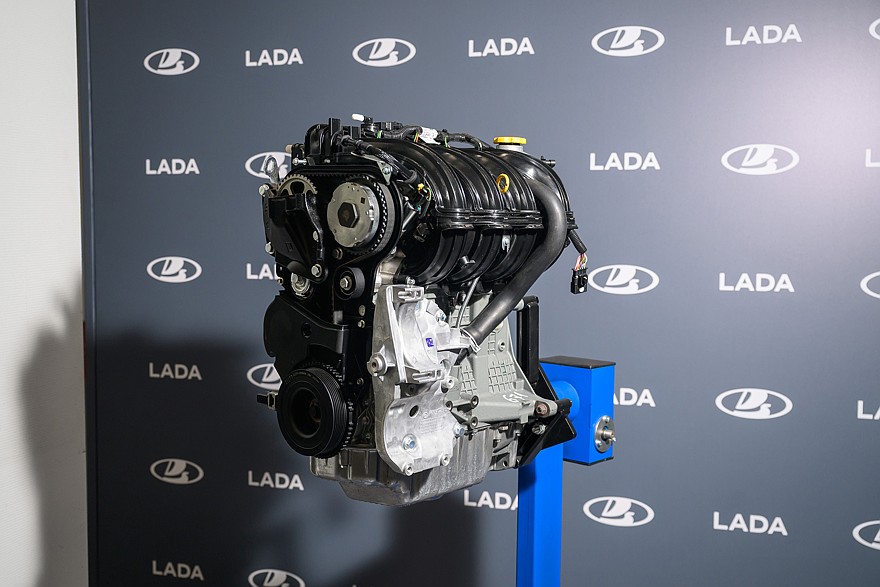
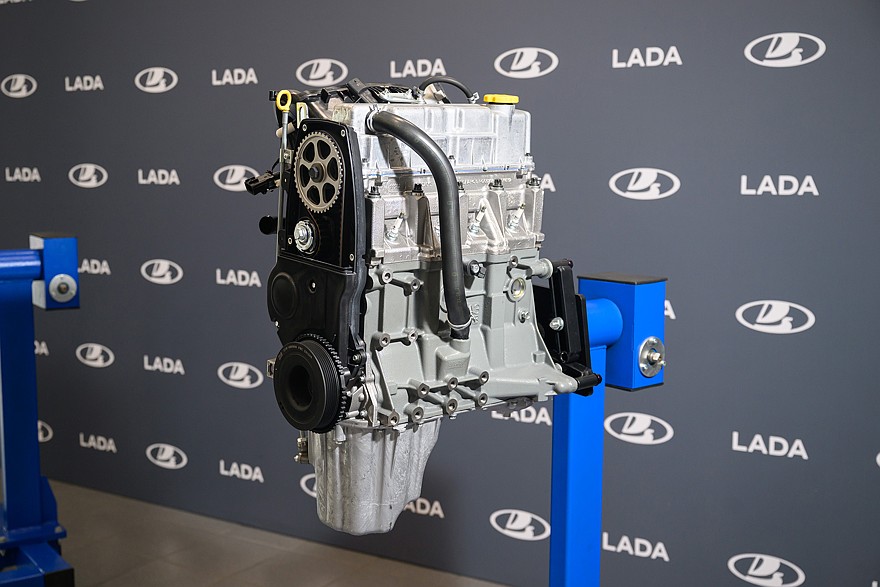
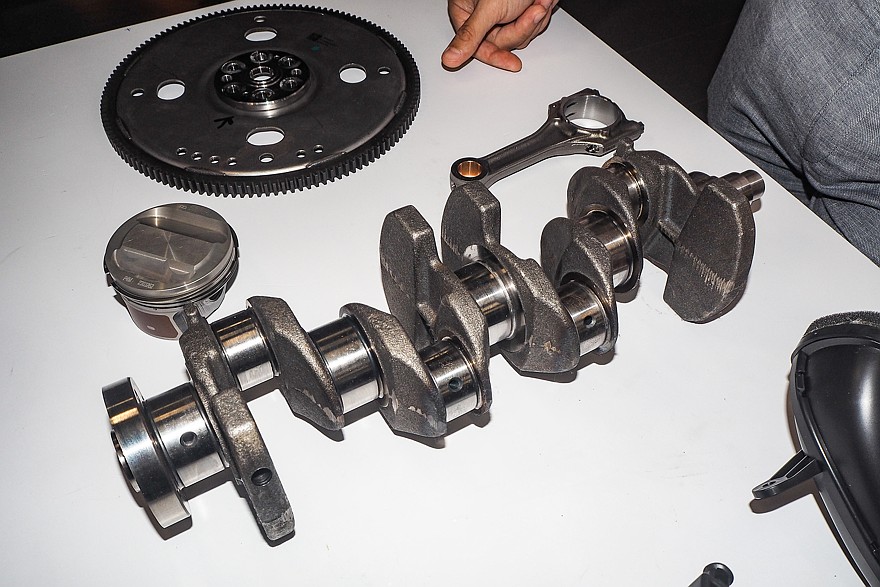
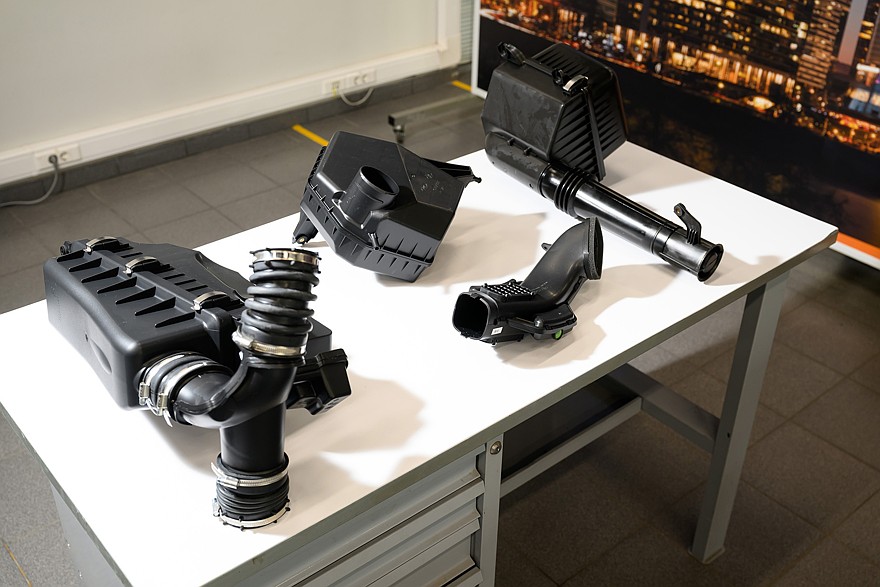
The engines feature a number of unified solutions. The cylinder head has optimised intake and exhaust ports, as well as a revised combustion chamber shape, which has allowed the compression ratio to be raised to 10.6 from the previous 10.45. The engines use new piston cooling jets, new camshafts with repositioned lobes and a reduction in intake valve lift from 8.71 mm to 8.43 mm. New valves with reduced stem thickness have been adopted, along with new injectors with revised spray pattern geometry, smaller-diameter spark plugs (M12 instead of M14), a new fuel rail and fuel pipe with altered cross-sectional geometry, and a new-design oil pump with 20–25% greater capacity. Incidentally, the pistons of these engines remain 'non-interference' types, meaning that a timing belt failure does not lead to catastrophic consequences.
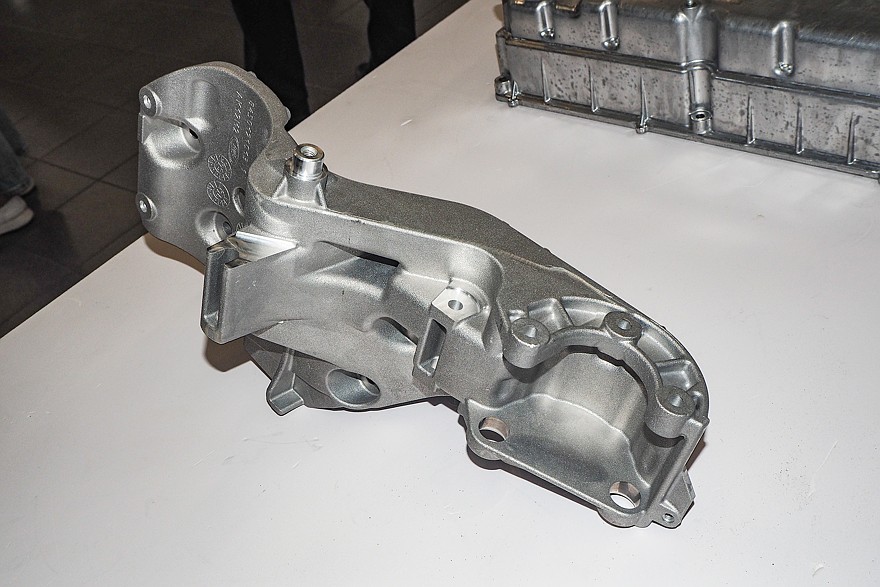
All of this has allowed engine performance to be significantly improved. The 1.6-litre engine now produces 120 hp instead of 106, and can deliver 154 Nm of peak torque (up from 148 Nm). Meanwhile, torque at 1,000 rpm has risen from 109 to 112 Nm. The power of the 1.8-litre unit has grown from 122 to 135 hp, and peak torque from 170 to 175 Nm. Torque at 1,000 rpm has increased from 124 to 130 Nm.
The main new addition to the model range, the Lada Azimut, will be available with both the 1.6 and 1.8-litre engines of the new generation. In addition, the new 1.6-litre engine will power the Lada Iskra, while the 1.8-litre unit will be fitted to the Lada Vesta. The Lada Granta, for now, retains its existing engine line-up.
Comments
0 comments