
Hyundai Motor and Kia unveil vehicle sterilisation technology ‘Plasma Care UVC’
Hyundai Motor Company and Kia have unveiled a new technology that sets the standard for in-car hygiene management, along with a video showcasing its applications.
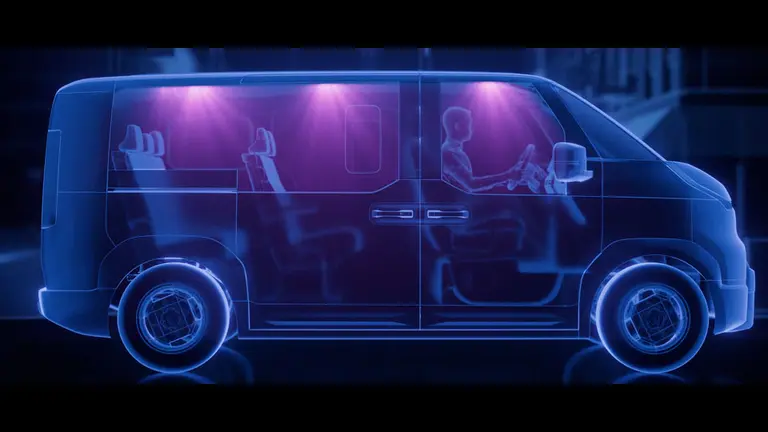
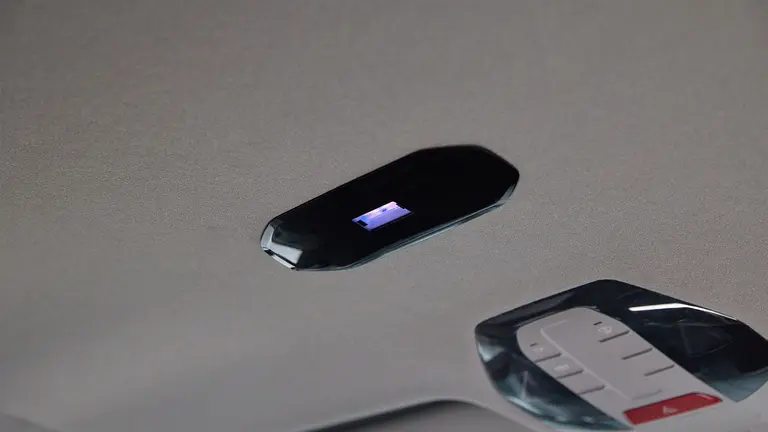
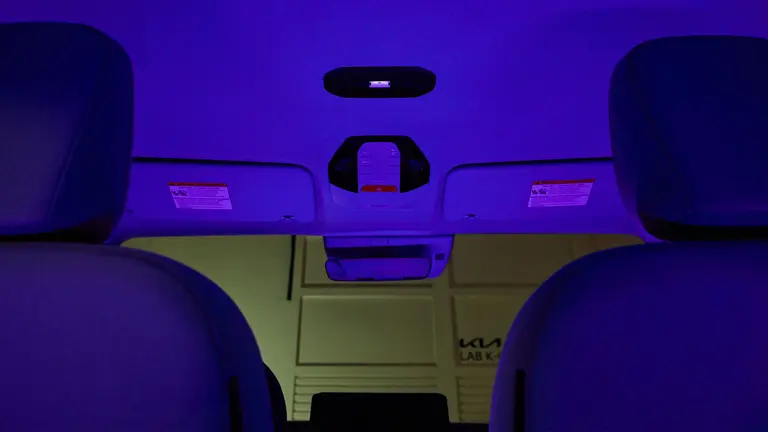
On Thursday (11th), Hyundai and Kia announced the development of 'Plasma Care UVC', a system that uses a plasma lamp to generate Ultraviolet C (UVC) wavelengths that affect only bacteria without harming the human body. This technology sterilises and deodorises various areas inside a vehicle, even while passengers are present.
Sterilisation technology using UVC light has already been applied in household appliances such as cup sterilizers and toothbrush sterilizers, as well as in the armrest interiors and crash pad storage compartments of vehicles like the Hyundai Santa Fe and Kia Carnival, contributing to everyday hygiene management.
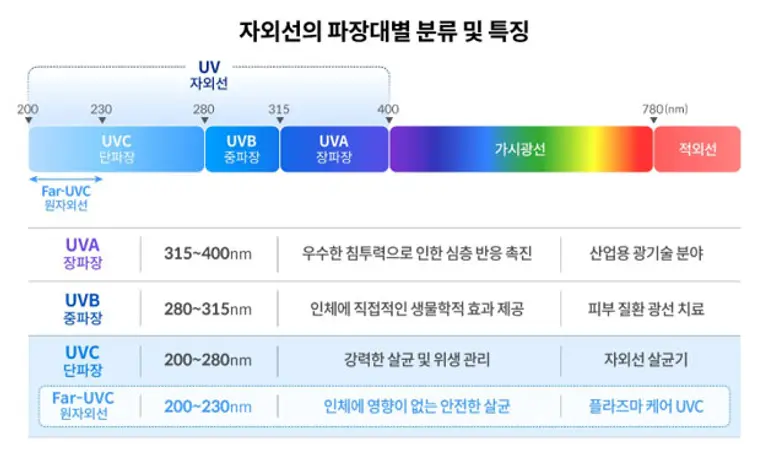
Conventional ultraviolet sterilisation technology uses UVC light in the 255–280nm (nanometre) band, generated by LEDs. While ultraviolet light in this wavelength has excellent sterilising power, it can be harmful if it directly contacts the skin or eyes. Therefore, it has only been used to sterilise small objects in enclosed spaces where human contact is limited.
In contrast, Hyundai and Kia's 'Plasma Care UVC' is characterised by its use of Far-UVC light in the 200–230nm band—difficult to produce with LEDs—generated via a plasma lamp for sterilisation purposes.
Far-UVC light has excellent sterilising power and is safe for the human body, to the extent that it is used in hospitals and schools. This allows for real-time sterilisation of the vehicle interior even when passengers are inside.
Due to its nature, it possesses high energy, delivering a powerful sterilising effect, yet its low permeability means it only reaches the stratum corneum of the skin surface and does not penetrate deep into the body.
Conversely, bacteria and viruses lack the multiple protective layers of human skin, so Far-UVC light can reach the inside of their cells and destroy their DNA structure.
Additionally, Plasma Care UVC helps reduce unpleasant odours inside the vehicle. Bacteria and microorganisms produce odour-causing substances during their growth process, and Plasma Care UVC removes these during sterilisation, creating a more pleasant environment.
On the same day, Hyundai and Kia also released a video explaining the 'Plasma Care UVC' technology and showcasing its various applications.
The video includes an explanation of Far-UVC light, which can be used safely in open interior spaces with passengers present, along with the key technical advantages of 'Plasma Care UVC', such as its safety, durability, and sterilisation performance.
Furthermore, using the Kia PV5 as a pilot application for 'Plasma Care UVC', the video introduced use cases in mobility environments, such as vehicles for transporting children to school and fruit sales vehicles. This also highlighted the potential for in-car hygiene management technology to be expanded across Purpose Built Vehicles (PBVs).
Hyundai and Kia stated that since 'Plasma Care UVC' technology offers significant customer value as the world's first system usable in open vehicle interior spaces, they plan to conduct thorough technical verification and review plans for its application in production vehicles.
Far-UVC Sterilisation Technology Reimagined for the Automotive Environment
Existing Far-UVC lamps have already been installed in various locations, including hospitals, schools, and offices both domestically and internationally, primarily used for hygiene management in large spaces. Their human safety and efficacy have been verified through numerous studies.
However, applying this technology to vehicles presented a different challenge. Not only must there be no interference with the electronic components inside the vehicle, but the close proximity between the lamp and passengers also requires more precise power and safety design.
Furthermore, the system had to be miniaturised to a size suitable for vehicle installation while also ensuring durability against harsh conditions such as vibrations and temperature changes during driving, making it a technically demanding task.
Leveraging their in-house technical expertise, Hyundai and Kia optimised the Far-UVC lamp and control system for the automotive environment. They successfully miniaturised it to a level suitable for vehicle installation while securing power efficiency and durability.
In addition, they enhanced safety by incorporating a special optical filter that provides a double layer of protection against any potentially harmful wavelengths. The filter allows only Far-UVC wavelengths to pass through while blocking other wavelength bands, ensuring safe use inside the vehicle.
Plasma Care UVC Performance Verified in Diverse Environments
To verify the sterilisation performance and safety of 'Plasma Care UVC', Hyundai and Kia conducted tests ranging from component-level assessments to full vehicle evaluations in collaboration with accredited testing institutions and specialised research organisations.
First, they evaluated spatial sterilisation performance in an 8m³ chamber simulating a vehicle interior, conducted by the Korea Testing Laboratory (KTL). The test results confirmed a 96.8% reduction in airborne viruses within just 30 minutes of operation, demonstrating the potential to sterilise not only harmful bacteria on surfaces but the entire space.
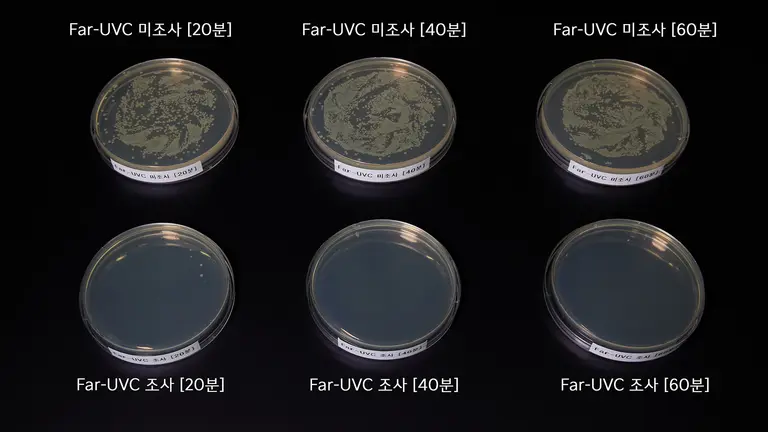
Next, through joint research with the Seoul National University Center for Agricultural and Life Sciences Startup Support, they evaluated the surface sterilisation performance of the 'Plasma Care UVC' lamp component itself. Exposing pneumonia bacteria to Far-UVC light resulted in a 99.9% kill rate after 30 seconds of irradiation, with complete eradication confirmed after 60 seconds or more, proving its sterilising power.
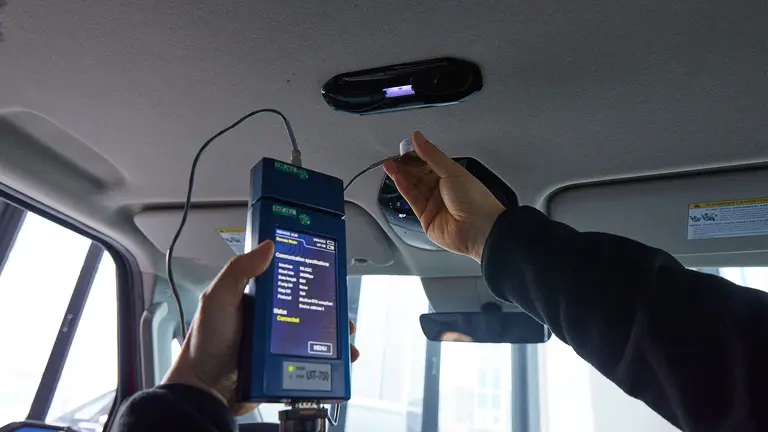
Finally, Hyundai and Kia, together with the Korea Automotive Technology Institute (KATECH), applied 'Plasma Care UVC' to a Kia PV5 vehicle and conducted sterilisation performance evaluations in an actual vehicle environment. The results confirmed a 99.9% eradication effect on E. coli within 40 minutes of light irradiation from a distance of 700mm.
Hyundai and Kia plan to continue verifying the sterilising power and safety of Plasma Care UVC in various environments, while also advancing the technology in line with international safety standards and regulatory changes.
Comments
0 comments