
Renault swings to profit in first half, revenue up 9.4%
French carmaker Renault reported on 29 July that its first-half revenue reached €30.25bn ($34.43bn), up 9.4% from €27.64bn in the same period last year, driven by the production of complete vehicles for partners Nissan and Mitsubishi, as well as the higher selling price of the new Clio model compared to its predecessor. The company posted a net profit of €700m for the first half, compared with a loss of €11.14bn in the same period of 2025, which was largely due to a one-off €9.3bn charge related to its Nissan stake.
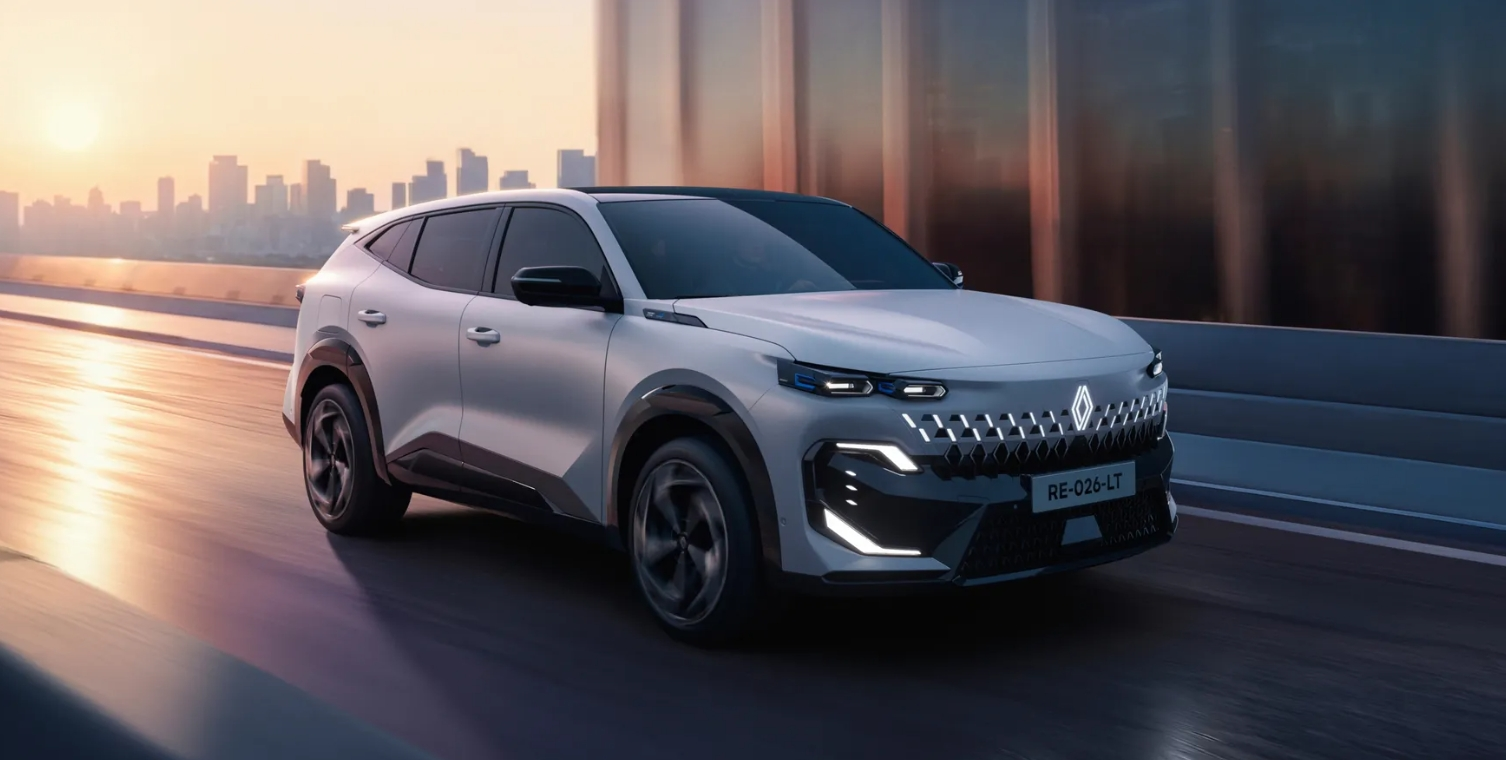
Renault's first-half operating margin stood at 5.2%, down from 6% in the first half of 2025, but above analysts' expectations of 5%. Furthermore, despite intensifying competition from Chinese carmakers such as BYD and Chery in the European market, Renault maintained its full-year 2026 operating margin target of 5.5%, compared to 6.3% in 2025.
Buoyed by strong sales of electric vehicles, Renault has withstood competitive pressure from both European rivals and Chinese carmakers.
Renault said that thanks to the strong market performance of the Renault 5 model, its pure electric vehicle sales surged 48% compared to the same period in 2025, with electric vehicles accounting for a fifth of the brand's total new car sales. However, overall new car sales edged down 0.4%, affected by supply chain logistics issues at its budget brand Dacia at the start of the year.
Renault Chief Executive Francois Provost told the media on 29 July: "The first-half results confirm that Renault's strategic model remains effective, even in a complex market environment."
Renault plans to differentiate itself through new models, such as the relaunch of the pure electric Twingo city car, and the introduction of the first hybrid version of its Sandero, which was Europe's best-selling model in the first half of the year, along with other new powertrain options.
As a relatively small player among traditional European carmakers, Renault must protect its profit margins to continue investing in electric vehicles and in-car software development, and to maintain its foothold in the European market. Renault said it is steadily progressing towards its cost-reduction target, cutting variable costs per vehicle by around €400 each year. Meanwhile, in other overseas markets such as Latin America and South Korea, Renault has been collaborating with carmakers like Geely.
Comments
0 comments