
Apollo Evo Caribbean Dragon: Spiky Looks, Naturally Aspirated V12 and a Huge Price

Apollo Automobil has unveiled the first customer example of its track-only supercar, the Evo, named the Caribbean Dragon, at the Goodwood Festival of Speed in the UK.
The Apollo Evo was first revealed in autumn last year, having been announced back in 2021. It is an evolution of the low-volume road-going supercar, the Apollo Intensa Emozione, and is designed exclusively for the track — it is not road-legal. Apollo Automobil, which is based in Germany and financed by a Hong Kong-based owner, grew out of the bankrupt company Gumpert, which produced the mid-engined Apollo supercar with an Audi V8 engine between 2005 and 2012.





At the Goodwood Festival of Speed this past weekend, the first of ten planned Apollo Evo examples was presented. The first car was built for Fred Grifhorst, an entrepreneur and passionate car collector from the Netherlands. Each of the ten cars will undergo extensive customisation for its specific owner. Grifhorst's example has been named the Caribbean Dragon, reflecting its monstrous design and the many blue accents in its trim, reminiscent of the Caribbean Sea. The carbon fibre components, in particular, incorporate blue threads.

The Apollo Evo is based on a carbon fibre monocoque, with most of the exterior body panels also made from carbon fibre. The aerodynamic package can generate up to 1,350 kg of downforce, while the supercar itself weighs 1,300 kg. The Caribbean Dragon example features a unique, 3D-printed titanium alloy exhaust system: the manifold has no welded seams, and the surface resembles dragon skin.
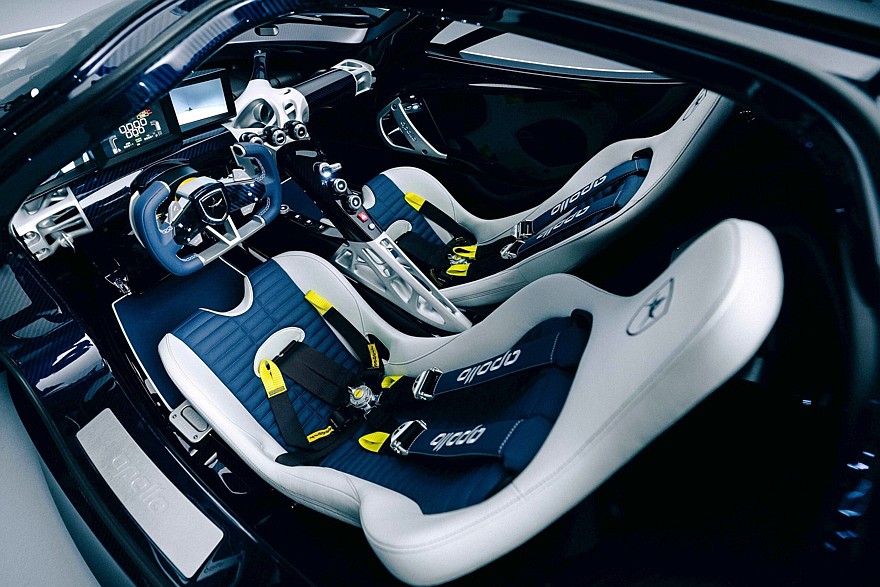
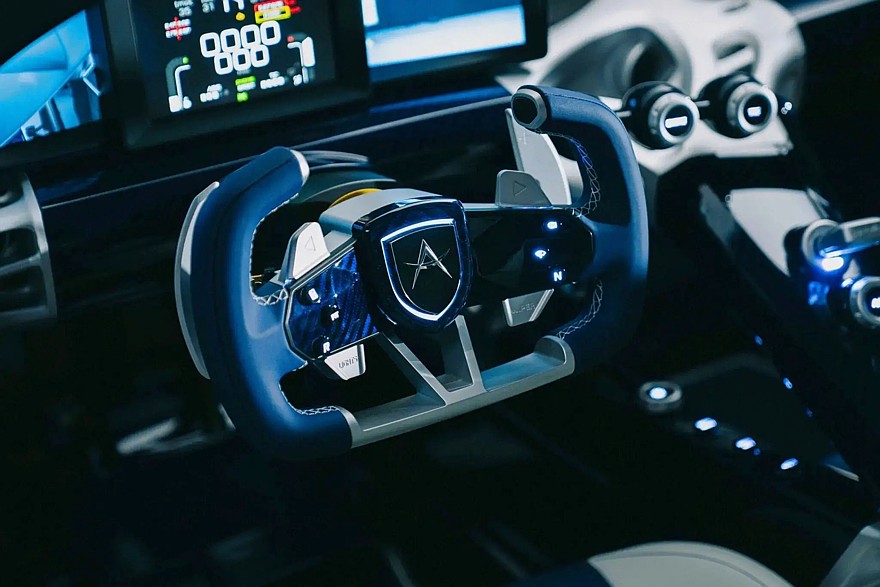

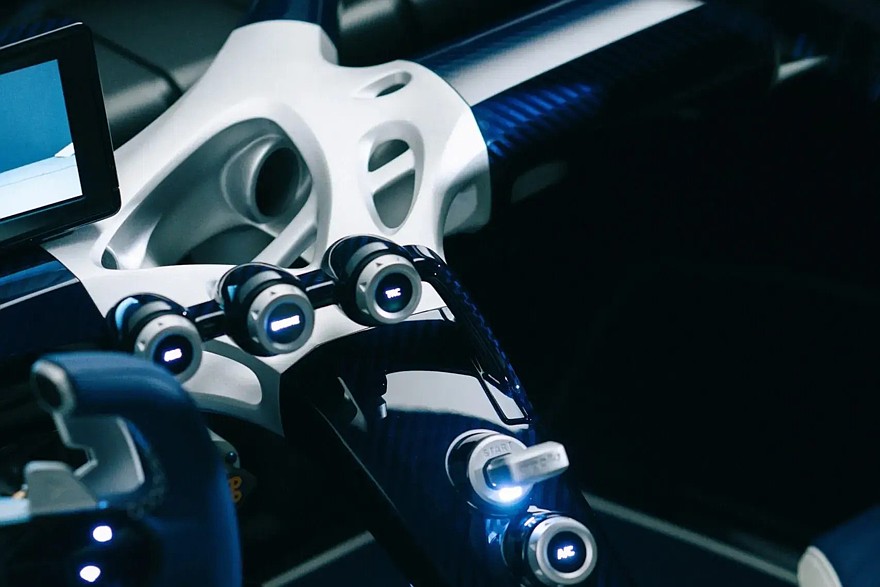

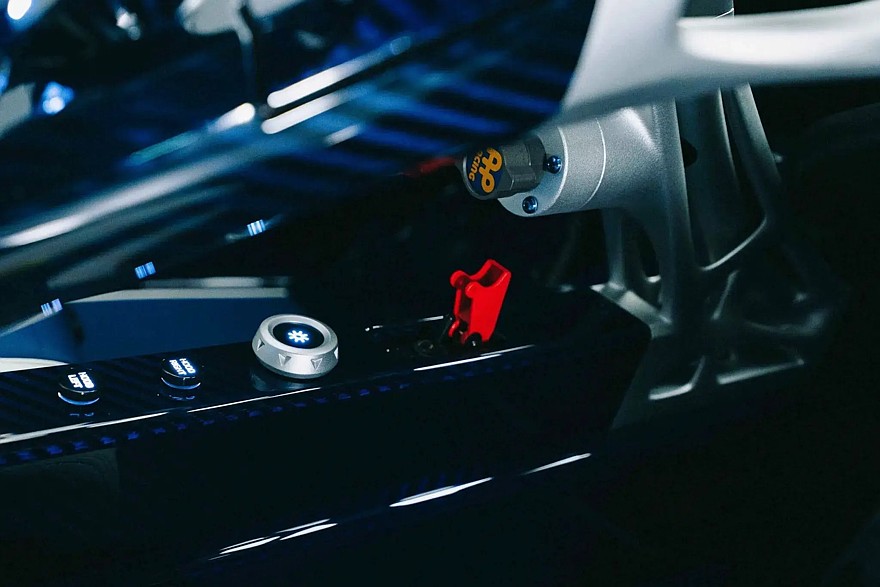


The two-seater cabin of the Apollo Evo boasts a rich array of aluminium components, either milled or 3D-printed. Instead of a traditional steering wheel, there is a flattened yoke with an open rim, and the carbon fibre spokes house buttons for selecting gearbox modes. The instrument cluster consists of three screens, with the left and right screens displaying images from the rear-view cameras.

Behind the cabin, the Apollo Evo houses a modified 6.3-litre naturally aspirated Ferrari V12 engine from the F140 family, reworked by HWA AG, producing a maximum output of 800 bhp and 765 Nm of torque. All power is sent to the rear wheels via a sequential six-speed gearbox. Acceleration from 0 to 62 mph takes 2.7 seconds, with a top speed of 208 mph. Reliable deceleration is provided by enormous carbon-ceramic brakes.

The Apollo Evo Caribbean Dragon cost Fred Grifhorst approximately three million euros. Whether the other nine examples will be shown to the public remains unknown for now. Apollo Automobil's future creative plans have also not yet been disclosed.
Comments
0 comments