
Nissan's reason for halving the development time of the new Skyline
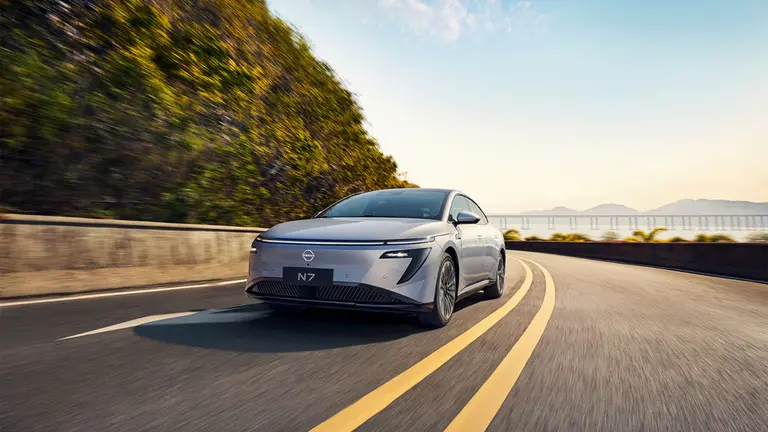
As early as the end of this year, Nissan is set to launch a new Skyline. However, one astonishing fact is that the development period has been slashed by a whopping half compared to the original target. Behind this remarkable achievement, as you might expect, lies AI.
Recently, the cycle for car manufacturers to release new vehicles has been getting shorter and shorter. From a consumer's perspective, it's a joy to spot new cars on the road more quickly, but on the other hand, it can be somewhat disappointing to realise that your recently purchased car is already being pushed aside as an older model. Regardless, one thing is clear: the time it takes to launch a new car is steadily decreasing.
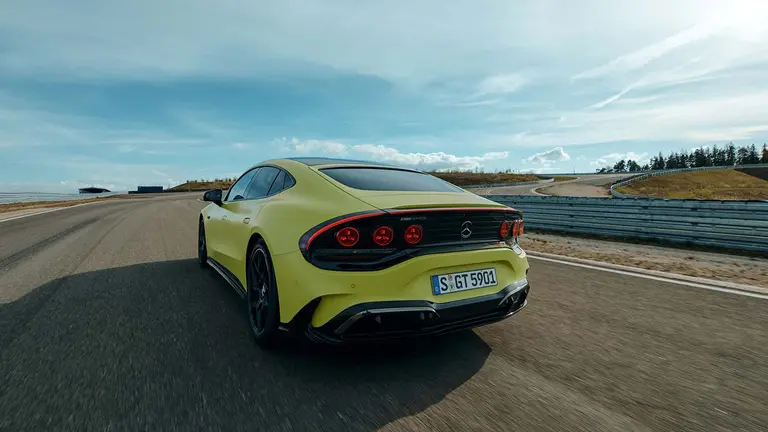
For example, Mercedes-AMG has announced plans to release around 27 new models over the next 36 months. Of course, this includes numerous derivative models, but previously, 36 months was barely enough time to launch even a single new car. Recently, Nissan has joined this trend.
Not long ago, Nissan unveiled a teaser for the new Skyline and simultaneously announced an intriguing fact: the development period was only half of what had been anticipated. The last Skyline that Nissan developed required approximately 55 months of development time. While that's just under five years, it was actually already a significant acceleration compared to the past.
Yet, the development period for the new Skyline they've declared they will launch is a mere 26 months. That means it's been reduced to nearly half of what it was before. How is this possible? The answer lies in a strategic partnership with a Chinese company.
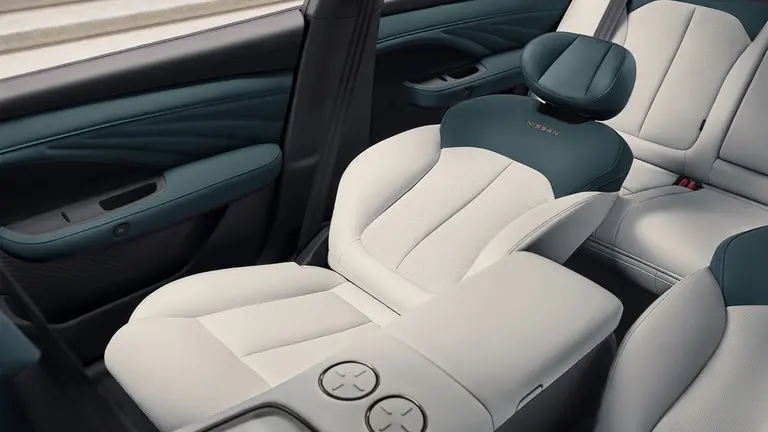
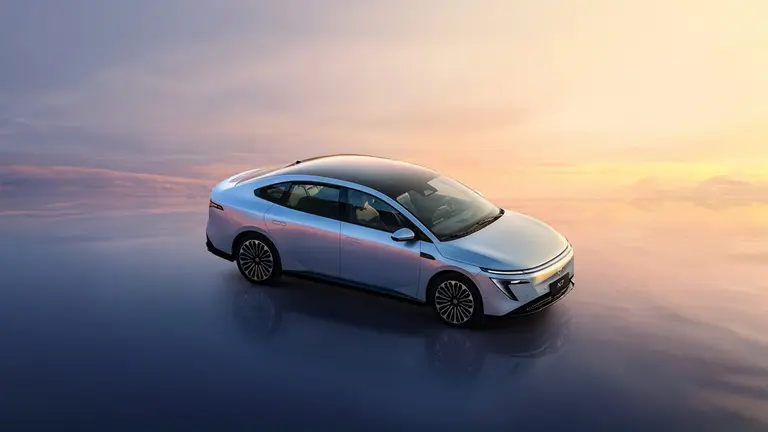
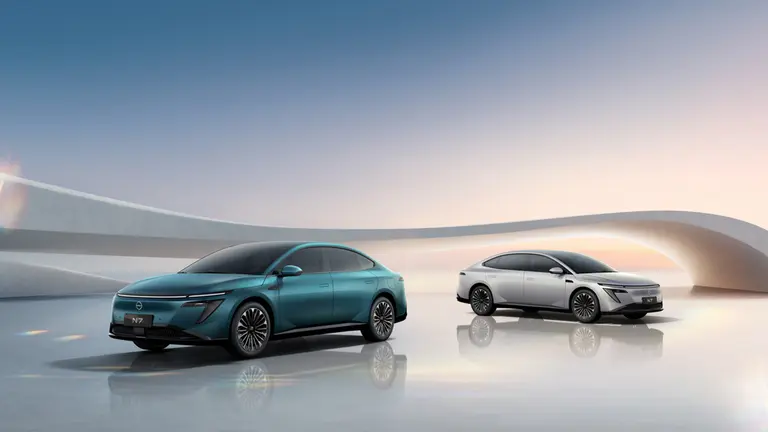
Nissan has formed a strategic alliance with China's Dongfeng Motor, and it appears that research and development were included in this partnership. In fact, they have successfully developed a new electric saloon in just two years. The reason this was possible was, once again, thanks to AI and digital tools. Currently, a significant number of car manufacturers worldwide are actively using AI in everything from design and engineering to testing and even manufacturing design stages.
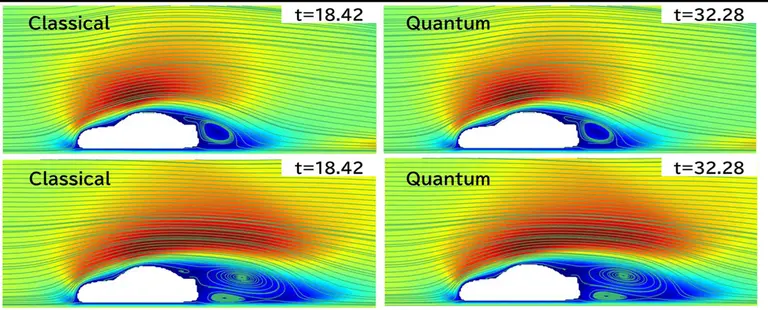
For instance, using AI for design development is no longer a secret. Furthermore, in the field of body design for ensuring crash safety, simulations have long been used to shorten development time and costs, but recently, the introduction of AI has further reduced both time and expenses. So now, the aim is to minimise direct physical design and manufacturing, replacing most of it with computer-based simulations.
With AI that can design and judge more precisely than humans based on the amount of data it learns, and which doesn't even need to sleep, the speed was bound to increase. That's how a new car could be brought into the world in just two years. This shortened development period also brings benefits to consumers: a reduction in costs.
A large portion of the enormous costs involved in car development is time-related. During repeated physical testing, time and manpower must be continuously投入, and ultimately, everything comes full circle and is reflected in the price. Of course, this might be hard for consumers to feel directly, but at least from the manufacturer's perspective, a shorter development period means an increase in profit margin per vehicle.
Of course, building a local AI framework to maintain security requires a considerable investment, but once it's established, it won't take long to recoup the costs (provided, of course, that the car sells successfully).
However, there are also voices of concern about the shortened development period. Can AI and simulators truly replicate 100% of the uncertainties that occur in the physical world? In particular, there is considerable worry about the reduction in the number of physical tests, especially for crash tests and fundamental safety-related body design.
Above all, if this trend deeply intervenes in the development process, in the worst-case scenario, there could be an over-reliance on simulators. Even if the number of physical tests is further reduced, if there are no issues in the simulator, the project might proceed as is. But one thing must be clearly understood.
The product itself, the car, and the road environment it travels on, are far more complex than one can imagine. Of course, AI, with its vast learning capacity, can perfectly correct even defects that humans might not have discovered. Nevertheless, as long as we know that AI is significantly reducing the tests that form a large part of the development process, it will be difficult to completely erase fundamental doubts about the product's reliability.






Comments
0 comments