
Strong Demand for Hybrid Vehicles in the U.S. Could Allow Toyota to Challenge GM's Sales Lead
As demand for hybrid vehicles continues to rise in the U.S. market, General Motors is facing a serious challenge, with Toyota poised to reclaim the top spot in U.S. auto sales.
Industry research firm Cox Automotive predicts that Toyota's U.S. market share will rise to 15.8% in the first half of this year, while GM's share will decline nearly one percentage point to 16.8%. If American consumers continue to favor fuel-efficient hybrid models, Toyota could become the best-selling automaker in the U.S. this year.
If Toyota overtakes GM in sales on GM's home turf, it would mark a historic shift. Since surpassing Ford in 1931, GM has consistently held the top sales position in the U.S., losing it only once to Toyota during the global chip shortage in 2021.
"Toyota has an opportunity to overtake GM," said Charlie Chesbrough, senior economist at Cox Automotive. "We're not making a definitive call yet, but the possibility is real. Consumers are flocking to hybrid models, and GM lacks competitiveness in this area." However, Chesbrough believes GM will not easily cede the top spot and will likely rely on purchase incentives to maintain its sales advantage.
Jim Cain, a spokesperson for GM, denied that the company would increase promotional policies to preserve its sales lead over Toyota. Over the past three years, GM has strictly controlled discount levels, keeping promotional costs below the industry average to protect profits and cash flow. "We have been disciplined in capacity planning, pricing, and promotion management, and our performance speaks for itself," Cain said. A Toyota spokesperson declined to comment on whether the company is poised to become the U.S. sales leader.
In the first five months of this year, overall U.S. auto sales cooled, but Toyota's electrified vehicle sales (primarily hybrids, with a small number of pure electric models) rose 5.6% against the trend. Meanwhile, due to the situation in the Middle East, the average U.S. gasoline price is approaching $4 per gallon, and sales of full-size pickups and large SUVs—the mainstays for GM and Ford—have both declined.
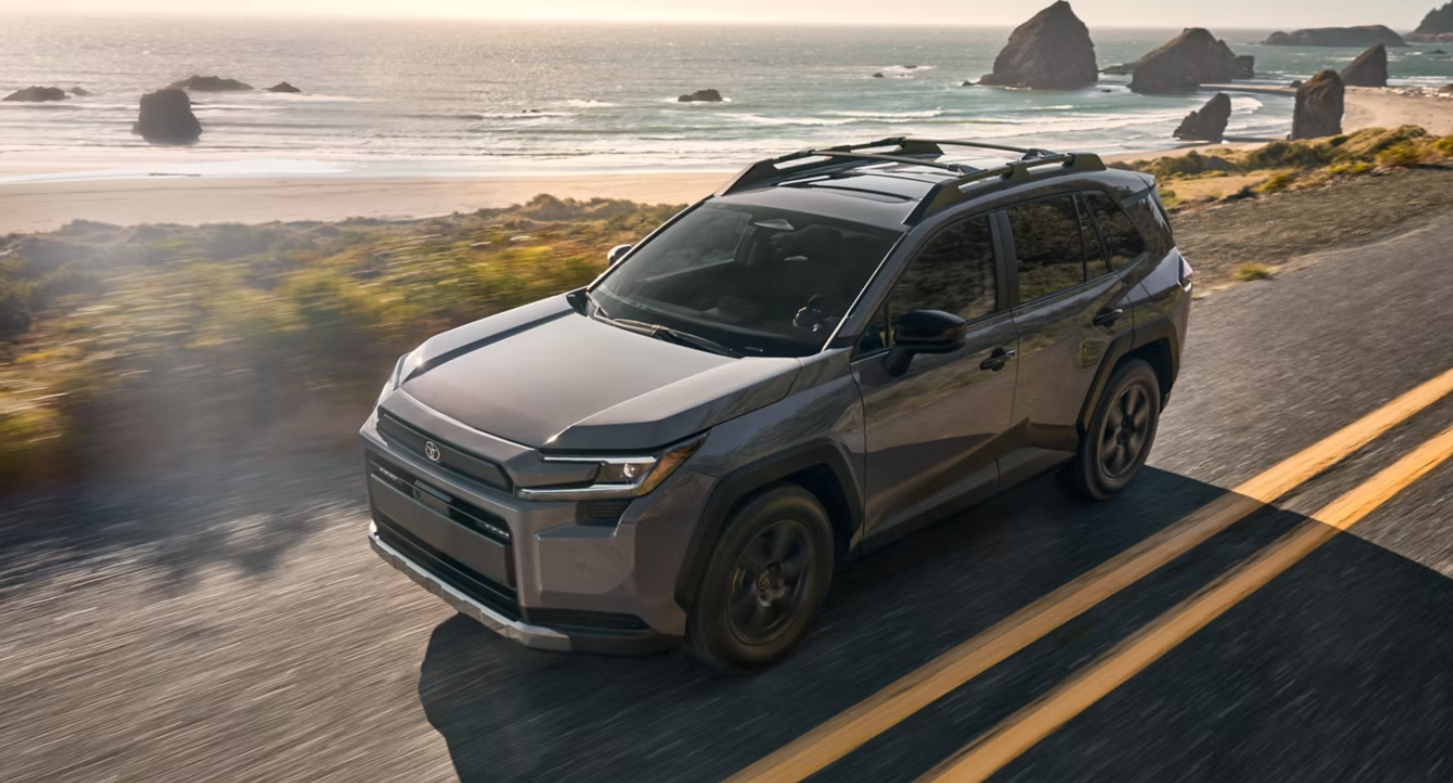
Toyota's plant in Lexington, Kentucky, recently began production of the new RAV4, which is now available only as a hybrid. Kerry Creech, president of Toyota's Kentucky plant, said that to alleviate supply constraints for this popular compact SUV, the plant plans to increase annual U.S. production of the model to 100,000 vehicles this year, compensating for insufficient import capacity from Canada and Japan.
"The production ramp-up will be very fast," Creech said. "We are leveraging the experience from the Canadian plant that produces the RAV4, and we can reach full production within 30 days."
Toyota offers hybrid versions of more than 20 models in the U.S. market. In contrast, GM only has the hybrid Corvette, while Ford offers hybrid versions of just three models: the Maverick pickup, the F-150, and the Lincoln Nautilus. "Toyota has built a rich hybrid product lineup, covering everything from midsize to compact models, while the Detroit Three have a very narrow hybrid product portfolio," Chesbrough said.
This challenge from Toyota also highlights the drawbacks of GM CEO Mary Barra's strategy of betting on pure electric vehicles while neglecting hybrids—most American consumers are still reluctant to fully transition to pure electric vehicles.
When Tesla's sales and stock price were soaring, and countries around the world were tightening emissions regulations, GM went all-in on the pure electric track. In the view of CEO Barra, hybrid technology is merely an expensive transitional solution, so the company chose to invest heavily in pure electric vehicle development.
"Going all-in on pure electric was essentially about catering to Wall Street capital, aiming for a valuation comparable to Tesla," commented Stephanie Valdez Streaty, director of industry research at Cox Automotive.
Like GM, Ford, another major U.S. automaker, also faces the risk of slipping in sales rankings, potentially being pushed to fourth place by South Korea's Hyundai Motor, which has several hybrid models selling strongly in the U.S. market. Cox Automotive predicts that Ford's market share will drop one percentage point to 12.6% in the first half of 2026, while Hyundai's market share is expected to rise to 11.7%.
Comments
0 comments