
Ford Launches New EV Platform UEV, Claims Competitive Edge in Efficiency and Cost
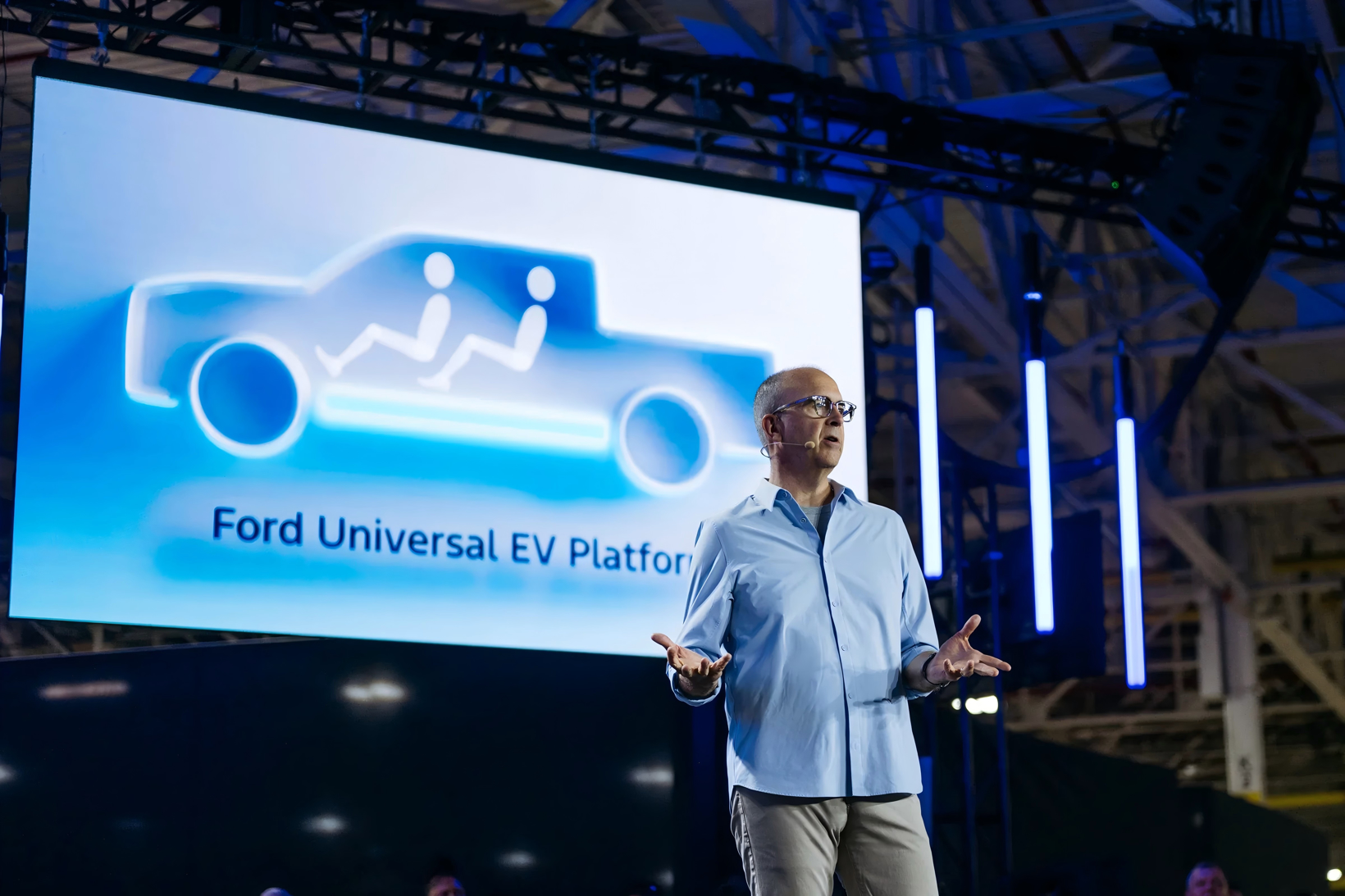
Ford Motor Company is shifting its electrification strategy toward smaller, more affordable vehicles and launching a new Universal Electric Vehicle (UEV) platform to counter competition from Chinese brands. The platform's first model is a four-door mid-size electric pickup with a starting price of around $30,000, set to launch in 2027.
CEO Jim Farley stated that while some Chinese EV makers use "very cheap batteries," their control systems are "inefficient" due to unnecessarily large and heavy battery packs. In contrast, Ford's UEV platform, developed with input from a racing engineering team, achieves 20% to 30% greater energy efficiency. Key advantages include optimized aerodynamics and smaller, more efficient batteries.
Over half of the California-based team working on UEV aerodynamics come from Formula 1. Farley called this "skunkworks" team "one of the greatest gifts F1 has given Ford," adding that their engineering results are "cooler than a supercar."
Ford claims the upcoming mid-size electric pickup will be the most aerodynamically efficient pickup sold in the U.S., improving efficiency by 15% over comparable gas-powered models. With the same battery, it could gain nearly 50 miles (80 km) of range, with highway efficiency up 30%.
The vehicle will use prismatic lithium iron phosphate (LFP) batteries, which are cheaper and free up cabin space. However, Ford still relies on technology licensed from China's CATL to produce these batteries domestically.
Interior passenger space will exceed that of the Toyota RAV4, not including the frunk or cargo bed. Manufacturing will use gigacasting (unicastings) to reduce the current Maverick pickup's 146 parts to just two.
A prototype is already undergoing public road tests in Long Beach, California. QR codes on the camouflaged vehicle link to a website detailing the UEV platform.
Ford has not confirmed whether UEV-based models will be sold in Europe, but Farley hinted at the possibility. If realized through a partnership with Renault, such models might launch after 2028. Until then, Ford will rely on existing collaborations with Volkswagen and Renault to cut costs and accelerate product rollout.
Meanwhile, Ford faces rapid Chinese brand expansion in Europe. According to ACEA registration data, BYD registered over 26,000 new vehicles in Europe this May, up 158% year-on-year, while Ford registered 18,105, down 32%. BYD has already surpassed Ford in global sales. Its latest Blade Battery 2.0 and flash charging system offer up to 600 km (372 miles) of WLTP range and support a 10-minute fast charge.
Comments
0 comments