
Who is defining the pure electric era?
Competition in China's auto market has quietly evolved from "oil-electric coexistence" to a knockout round of "full electrification."
After surpassing the critical milestone of 50% penetration, electrification is officially transitioning from a novelty for a few to the mainstream choice for the majority.
But crossing this milestone brings new questions: Where is electrification headed?
Oil Retreats, Electric Advances: An Irreversible Tide
In 2025, China's new energy vehicle penetration rate exceeded 50% for the first time. This means that for every two new cars sold, one is a new energy vehicle.
Just as the market reached this milestone, geopolitical conflicts in the Strait of Hormuz caused global oil prices to fluctuate violently amid repeated blockades and de-blockades. High oil prices further accelerated consumers' decision to switch from oil to electric.
By May 2026, the penetration rate had climbed to a historic high of 62.9%, with the market transitioning from "one in two" to "two in three" at a pace exceeding expectations.
However, the story of "oil retreating, electric advancing" goes far beyond this.
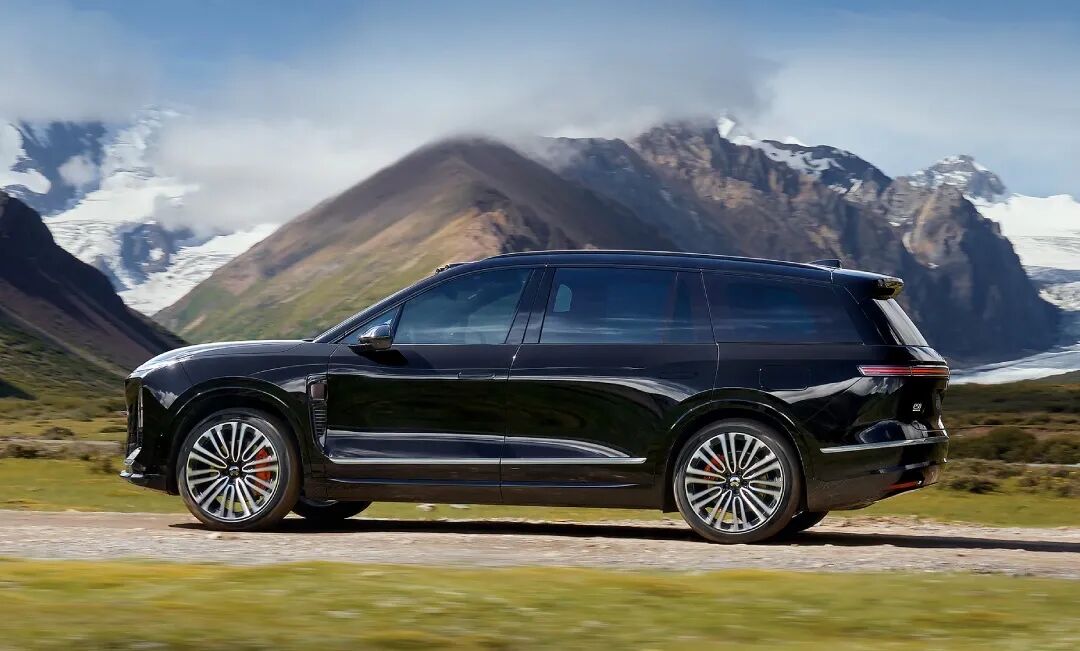
The rapid increase in electric vehicle market penetration has not only accelerated the shrinkage of the fuel vehicle market but also created a survival crisis within the new energy camp.
In May this year, extended-range electric vehicles, once considered the best transitional solution, suffered a major setback, with sales plummeting year-on-year, recording the largest decline in nearly five years.
The growth rate of plug-in hybrids also slowed simultaneously, while the market share of pure electric vehicles climbed to 67%, making them the absolute主力.
Regarding the sudden "stall" of extended-range vehicles, industry insiders pointed out that with breakthroughs in battery technology and the improvement of charging networks, the range anxiety and charging anxiety associated with pure electric vehicles are being rapidly resolved.
When a pure electric car can travel 300 kilometers after just a 5-minute charge, the "worry-free range" advantage that extended-range vehicles pride themselves on is no longer a unique selling point. On the contrary, the "dual system" of extended-range vehicles—requiring both fuel and charging—has become a burden: higher maintenance costs, more complex vehicle structure, and not necessarily low fuel consumption under high-speed conditions.
This is not an isolated case but a microcosm of the restructuring of the entire market.
Pure electric is gradually becoming the mainstream choice in the knockout round: In the first quarter of 2026, pure electric vehicles held a 67% share of the new energy vehicle market, with cumulative sales from January to April increasing by 25.3% year-on-year. This trend continued in May. In the XX list, pure electric models occupied 7 of the top 10 spots in sales.
Market feedback is equally intuitive. For the Xiaopeng GX launched in May this year, He Xiaopeng stated bluntly in the order report that the pure electric version accounted for more than half of the flagship version orders. This not only indicates that pure electric models have become the new favorite of new energy users but also means they are gaining corresponding premiums in terms of product value.
Electrification has reached a crossroads: The connotation of electrification is upgrading from "switching between oil and electric" to "survival of the fittest among technological routes."
In this process, it is still necessary to remain clear-headed.
Cao Guangping, a partner at Chefu Consulting, pointed out in an interview: "The fact that China's new energy vehicle penetration rate has exceeded 50% is largely the result of long-term policy encouragement. Looking globally, the penetration rate in most countries and regions is still between 0% and 15%. Even in a policy-driven country like Norway, it is only around 90%. Such a high penetration rate in China does not mean that the performance of electric vehicles has fully surpassed that of fuel vehicles. There is still a significant gap between battery technology and the energy characteristics of fuel."
Looking at the development history of the new energy vehicle industry, the first half of electrification was driven by policy, completing the leap from 0 to 1. The second half must be driven by technology to achieve the leap from 1 to 10.
This knockout round, led by pure electric vehicles, has only just entered the stage where technological strength is truly tested.
First Half: The Answer Sheet for Range and Safety
In the development process of the new energy vehicle industry, consumers' range anxiety and charging anxiety have always been regarded as major obstacles on the path to electrification.
"In the first half of electrification, we solved the problems of range and safety; in the second half of electrification, we must completely solve the problem of charging," said Wang Chuanfu, Chairman of BYD, at the launch event for BYD's second-generation blade battery and flash charging technology.
How exactly were range and safety, the two core problems that have plagued the industry for over a decade, solved? The answer lies in the collaborative breakthroughs between vehicle manufacturers and battery companies.
In April this year, Xiaomi founder Lei Jun personally conducted a 15-hour long-distance range live broadcast from Beijing to Shanghai. The total estimated distance was 1,265 kilometers, but the actual distance traveled was 1,313 kilometers, with only one charge in between. Around the same time, NIO also conducted a real-world test on Beijing's urban comprehensive road conditions, driving the Pro version model until it stopped, covering 892 kilometers, achieving a range achievement rate of 98.9%.
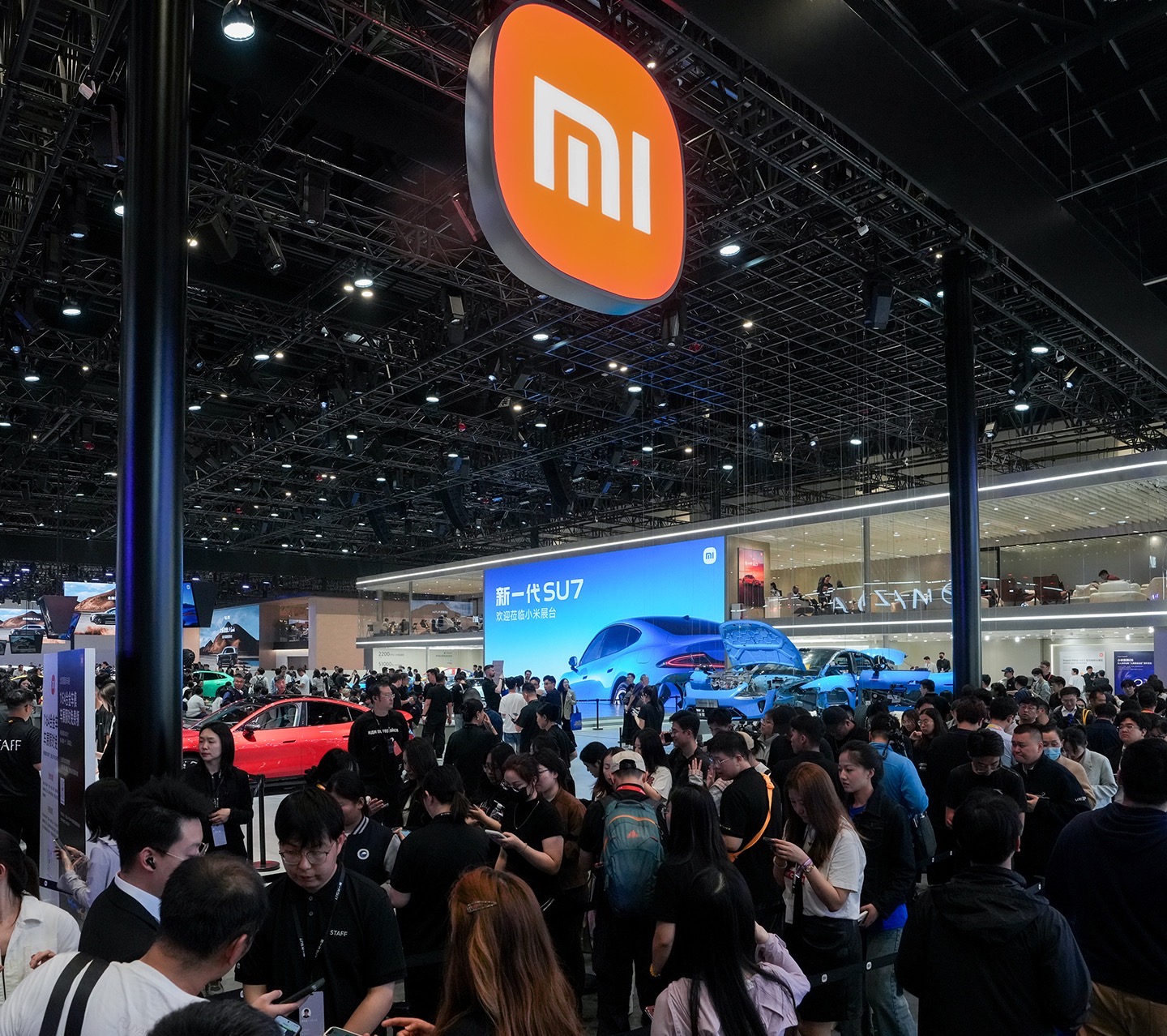
CEOs personally entered live streams, using the most straightforward method to prove to consumers that electric vehicles can easily handle cross-city long-distance travel.
This confidence comes from the generational leap in battery technology.
From the first generation to the second generation of blade batteries, BYD has completed a material system leap from lithium iron phosphate to lithium manganese iron phosphate, with system energy density increasing to 190-210 Wh/kg, an improvement of about 40% compared to the first generation. The Denza Z9GT equipped with this battery has a range of 1,036 kilometers, and the Yangwang U7 reaches 1,006 kilometers. In terms of low-temperature performance, the capacity retention rate in extreme environments of -20°C exceeds 85%, effectively alleviating the industry pain point of winter range degradation.
CATL is also continuously increasing its efforts. In April this year, CATL released the third-generation Kirin battery, with a cell energy density of 280 Wh/kg. A 625 kg battery pack can achieve a range of over 1,000 kilometers. In terms of low-temperature performance, the third-generation Shenxing super-fast charging battery can charge from 20% to 98% in just 9 minutes, even in a -30°C environment.
Second and third-tier battery companies are also striving to catch up, including CALB, Gotion High-tech, Farasis Energy, and SVOLT. The entire battery industry is forming a technological matrix with breakthroughs from top-tier to mid-tier companies.
Looking at safety, the second-generation blade battery retains the core safety feature of "no fire upon nail penetration" and has passed three stringent tests that far exceed national standards. The new national standard requires that the battery does not catch fire after 300 fast charging cycles followed by a short circuit. BYD directly increased this to 500 flash charging cycles followed by "flash charging while nail penetration," resulting in no thermal runaway, no smoke, no fire, and no explosion throughout the process.
CATL has taken a different approach to safety. Based on NP (no thermal propagation) technology, the third-generation Kirin battery introduces a new thermal and electrical separation technology—physically isolating the high-voltage components of the cell from the vent valve. This design gives each cell an independently sealed exhaust channel, completely physically isolated from all high-voltage electrical components and sampling circuits.
Looking back, the debate between BYD and CATL over the "nail penetration test" once attracted widespread attention. However, with continuous technological breakthroughs and deeper market education, consumers are no longer fixated on the outcome of a single test—battery safety has become a consensus and baseline for the entire industry, and the market has given its answer.
Lian Yubo, Senior Vice President of BYD, stated: "The century-long development history of fuel vehicles shows that technological innovation shifts from early disruptive breakthroughs to gradual refinement improvements. The current technological evolution of new energy vehicles is in a similar stage, with innovation turning towards the fine-tuning of vehicle functions and performance. Companies need to rely on technological innovation to enhance user experience and provide emotional value."
When consumers no longer buy for novelty but expect a more reliable and universally applicable electric travel experience, automakers must deeply align technological innovation with product needs, shifting from parameter-oriented to experience-oriented approaches, making technology a tangible and trustworthy real-world experience for consumers.
Second Half: Charging, Becoming as Fast as Refueling
Once upon a time, "charging as fast as refueling" was just a beautiful vision presented at electric vehicle company launches. But in 2026, it is quietly moving from PowerPoint presentations into consumers' daily lives.
In March this year, Wang Chuanfu announced that BYD's flash charging technology would be shared openly with the entire industry.
Official data shows that the second-generation blade battery supports a charging rate of up to 10C, while current mainstream fast-charging batteries typically have rates between 3C and 5C. This means it can charge from 10% to 70% in just 5 minutes and reach nearly full charge in 9 minutes. Even in freezing temperatures of -30°C, charging from 20% to 97% takes only 12 minutes, just 3 minutes longer than at room temperature.
Supporting this is the "Flash Charge China" strategy, which plans to build 20,000 flash charging stations nationwide by the end of 2026, equipped with 1500kW liquid-cooled ultra-fast charging piles.
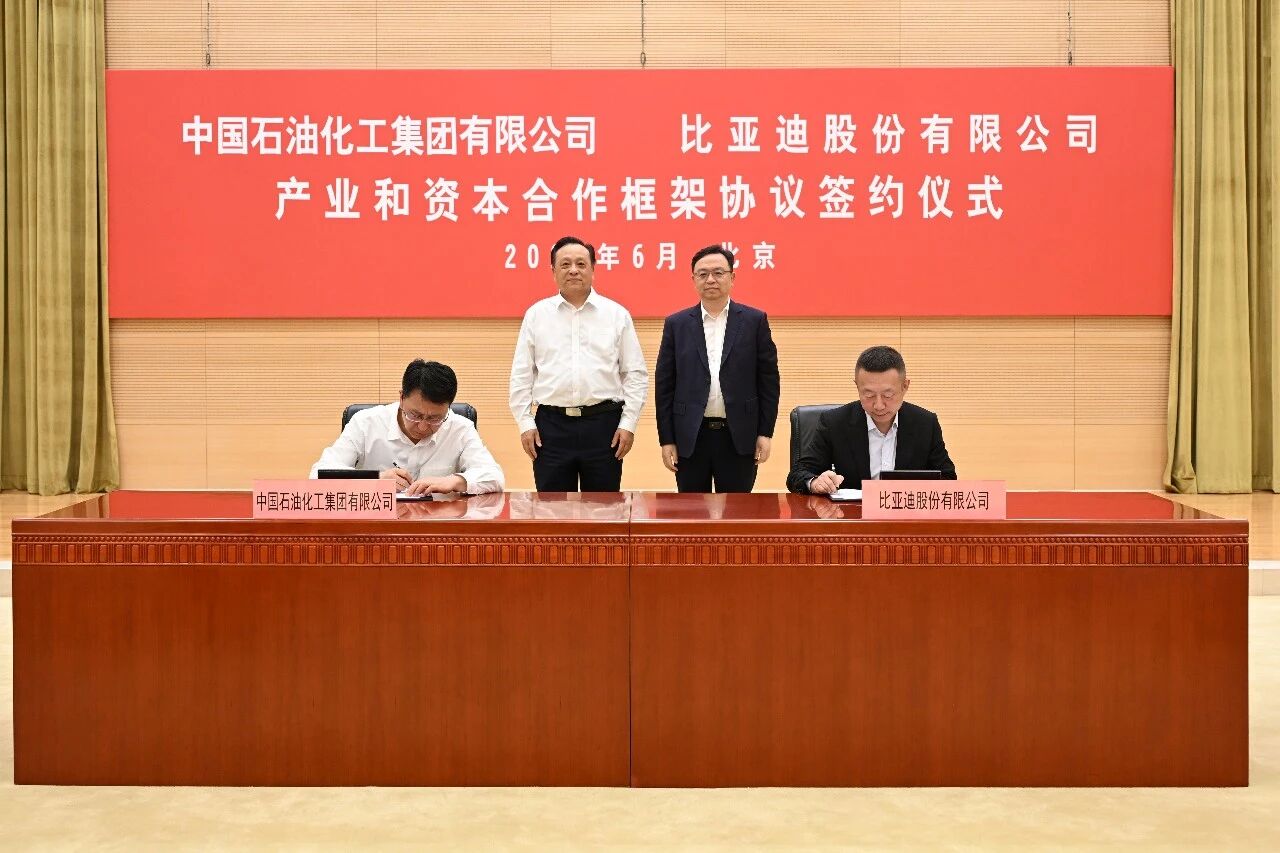
Subsequently, in June, BYD and Sinopec signed a strategic cooperation framework agreement in Beijing. Sinopec has over 30,000 comprehensive energy stations and 14,000 charging and swapping stations, providing a ready-made physical carrier for the rapid deployment of the flash charging network.
As of the signing date, BYD had built over 6,100 flash charging stations, and the national layout of flash charging stations has begun to take shape. It is expected that by the end of 2026, over 20,000 flash charging stations will be built nationwide in collaboration with partners.
CATL has taken a different path—a "super-fast charging + battery swapping" dual-insurance route. Its super-fast charging battery can be fully charged in 6 minutes at room temperature, and it plans to build 4,000 super-fast charging and swapping integrated stations by the end of 2026.
Currently, while promoting pure electric models, various automakers are also turning the goal of "charging as fast as refueling" into reality.
It is reported that as of the end of March 2026, Li Auto had cumulatively launched 4,057 super-fast charging stations with 22,439 charging piles; NIO had 9,003 charging and swapping stations nationwide, including 3,927 swapping stations and 5,076 charging stations; Xiaopeng had over 3,200 self-operated stations, with a target of building 10,000 by 2026; GAC Energy had exceeded 20,000 self-operated super-fast charging piles.
Data released by the National Energy Administration on June 24 shows that as of the end of May 2026, the total number of charging infrastructure (guns) nationwide had reached 22.497 million, a year-on-year increase of 44.9%.
From BYD's 10C flash charging to CATL's super-fast charging and swapping, from the self-built networks of leading automakers to the transformation of gas stations by Sinopec and PetroChina, an era where "charging is as convenient as refueling" is accelerating.
Endgame: Not Just Changing Cars, But Changing an Energy System
Since the electrification revolution began, perhaps we need to ask a fundamental question: What is the ultimate goal of all this innovation?
The answer is simple at first: Returning to the user.
Lian Yubo once stated that current electrification still needs to overcome bottlenecks such as safety, energy replenishment, and environmental adaptability. The industry chain continues to innovate around batteries, energy replenishment, and thermal management, focusing on solving problems like slow charging speeds and difficulty charging in low temperatures. In the future, it is still necessary to continuously promote technological innovation in electrification to accelerate the普及 of new energy vehicles.
Currently, different users require different battery solutions.
Lithium iron phosphate, with its cost and safety advantages, will continue to dominate the mainstream mass market. BYD's second-generation blade battery's flash charging technology solves the core pain point of charging speed, establishing an unshakable competitive edge for lithium iron phosphate in the 100,000 to 300,000 RMB price range.
Sodium-ion batteries have found their ecological niche in cost-sensitive scenarios such as A00-class microcars, two-wheeled electric vehicles, and energy storage. Semi-solid-state batteries, with their higher energy density and safety, are becoming a differentiating selling point for mid-to-high-end new models in the 200,000 to 300,000 RMB range. In the high-end market above 300,000 RMB, although all-solid-state batteries have not yet been mass-produced, they have become a strategic high ground for automakers and battery manufacturers to compete for布局.
Toyota holds over 1,300 core patents for solid-state batteries and plans to achieve mass production by 2026. BYD is betting on sulfide all-solid-state batteries, with a laboratory energy density of 400 Wh/kg. In this price range, consumers are not just buying a product; they are buying a vision of the future and the brand's technological halo.
Each technological route will leverage its advantages in different market segments and scenarios, forming an industrial ecology of differentiated competition and complementary coexistence. The ultimate winner may not be a specific technology, but the one that can most accurately match user needs.
The endgame of electrification is not "replacing fuel cars with electric cars," but building a new energy system.
When the number of electric vehicles reaches tens of millions or even hundreds of millions, they will no longer just be means of transportation but important components of the energy network. The gradual maturity of V2G (Vehicle-to-Grid) technology will turn every electric vehicle into a mobile energy storage unit, charging during low demand and discharging during peak demand, smoothing grid fluctuations while generating income for users.
The realization of this vision depends on batteries having higher cycle life and bidirectional charging and discharging capabilities, as well as deep coordination between the charging network and the power grid.
BYD opening up its flash charging network and CATL co-building a super-fast charging and swapping sharing alliance are manifestations of this ecosystem thinking. Future competition will no longer be between individual automakers or battery manufacturers, but between ecosystems.
Policy is also accelerating.
National policies such as "New Energy Going to the Countryside" are continuously intensifying, vigorously promoting the construction of rural charging facilities, providing strong support for the普及 of new energy vehicles in lower-tier markets. The improvement of the charging network not only solves users' charging anxiety but also paves the way for more advanced energy interaction scenarios like V2G.
As Cao Guangping said, the four pillars of batteries, intelligence, vehicle technology, and infrastructure are indispensable and together form the foundation of user trust. Batteries determine confidence, intelligence defines the experience, vehicles carry quality, and infrastructure provides confidence. These four are interlinked, and any shortcoming will undermine user trust. The endgame competition of electrification lies not in individual breakthroughs, but in system coordination.
Comments
0 comments