
Europe's "Walls" Grow Higher, Chinese Cars Sell More
In June 2026, according to relevant authoritative sources, the European Commission is planning to impose countervailing duties on plug-in hybrid electric vehicles produced in China. It is reported that the relevant preparations have been completed and can be implemented once approved by a majority of EU member states.
Although European barriers continue to rise, the sales volume and market share of Chinese automobiles exported to Europe have grown against the trend.
According to data from the Automotive Research Institute, in the first quarter of 2026, China's automobile export volume to the European market was 438,400 units, a year-on-year increase of 84.7%; in terms of pure electric vehicles, the export volume reached 198,300 units, a year-on-year increase of 94.6%; for plug-in hybrid models, the export volume was 106,000 units, a year-on-year increase of 152.4%. Additionally, according to relevant data, in April 2026, the market share of Chinese brands in Europe climbed to 9.8%, hitting a record high, with the market share of pure electric vehicles exceeding 15% for the first time.
This seemingly contradictory phenomenon precisely constitutes the key entry point for understanding the current China-EU automotive game.
The EU Builds a High Trade Wall
In October 2024, the EU officially imposed countervailing duties on imported Chinese electric vehicles for a period of five years. On top of the EU's unified 10% import tariff, differentiated countervailing duty rates were imposed on different companies: BYD 17.0%, Geely 18.8%, SAIC Motor 35.3%, and other companies that cooperated with the investigation, such as NIO and XPeng, at 20.7%. The combined tax rate for some models could thus reach as high as 45.3%.
Subsequently, consultations between China and the EU did not cease. In April 2025, high-level talks between China and the EU agreed to immediately launch negotiations on a price commitment for electric vehicles, exploring the replacement of tariffs with a minimum import price mechanism.
On January 12, 2026, China and the EU reached a framework consensus on the price commitment. The EU side simultaneously released the "Guiding Document on the Submission of Price Commitment Applications." Qualified Chinese pure electric vehicle exporters can use this mechanism to replace countervailing duties. This consensus is regarded by the industry as a key breakthrough in resolving the China-EU electric vehicle trade dispute.
However, as of June 2026, the price commitment consultations are still progressing and have not yet been fully implemented.
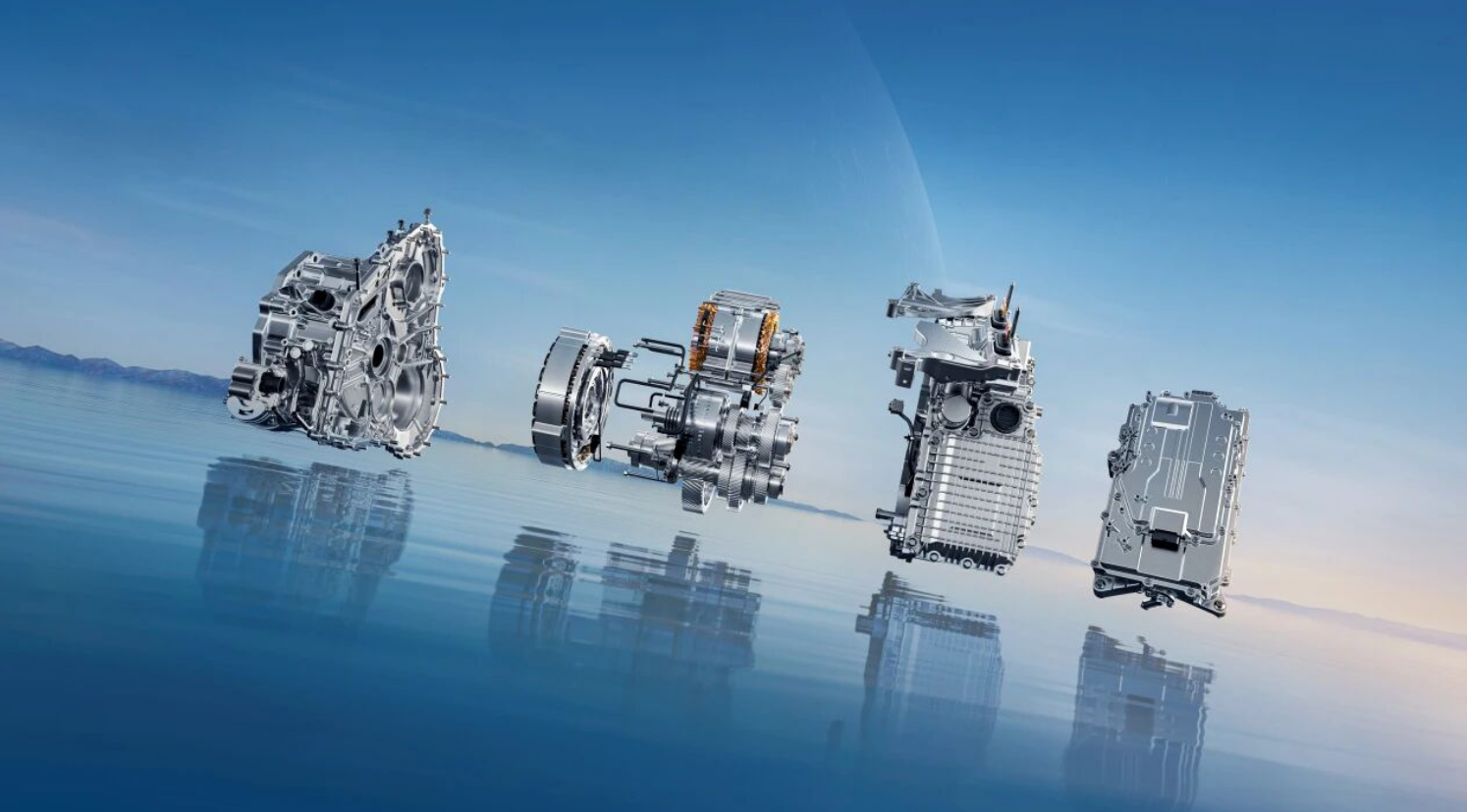
Previously, the EU mainly targeted pure electric vehicles with its countervailing duty strategy, while plug-in hybrid electric vehicles were not included. In response to this situation, Chinese automakers quickly adjusted their export strategies, accelerating the overseas shipment of related models.
Industry authoritative data statistics further confirm this shift by Chinese automakers. Research Institute data shows that in the first quarter of 2026, China exported 106,000 plug-in hybrid models to Europe, a year-on-year increase of 152.4%, and exported 198,300 pure electric vehicles, a year-on-year increase of 94.6%. The growth rate of plug-in hybrid models is significantly faster than that of pure electric vehicles.
According to authoritative data statistics, in April 2026, the sales share of Chinese plug-in hybrid models in the European market approached 29%, while the market share of pure electric models during the same period was 15.2%. The penetration rate of plug-in hybrids is significantly faster than that of pure electric vehicles. This data clearly indicates that after the EU imposed countervailing duties on pure electric vehicles, the export focus of Chinese automakers has shifted towards plug-in hybrid models.
The European Commission's current plan to extend countervailing duties to plug-in hybrid models is precisely a "gap-filling" move in response to this market change. Relevant sources say that given plug-in hybrid models also receive similar policy support in China as pure electric vehicles, the growth in their export volume to Europe is "seen as a potential impact on the local automotive industry."
Beyond tariffs, the EU is further building higher-dimensional institutional barriers.
On March 4, 2026, the European Commission officially released the proposal for the "Industrial Accelerator Act" (IAA). This bill signifies that the EU's industrial governance logic is accelerating its shift from the traditional "defensive trade remedy" model to a "conditional market access" model. In this regard, analysts from the Automotive Research Institute pointed out that since the EU imposed countervailing duties on Chinese pure electric vehicles at the end of 2024, the profitability and survival space of the complete vehicle CBU export model are facing a historic red line squeeze.
According to the IAA bill, the EU plans to implement strict reviews on projects from countries whose manufacturing capacity in key global industries exceeds 40% and with an investment amount exceeding 100 million euros. The review conditions set six compliance requirements, of which companies must meet at least four to be approved: foreign shareholding not exceeding 49%, investment in the form of a joint venture, licensing intellectual property to EU entities and transferring proprietary technology, investing R&D funds in the EU not less than 1% of the company's annual turnover, local employee ratio not less than 50%, and local parts supporting ratio not less than 30%. Among these, the requirement of 50% EU employees is set as a mandatory threshold, not subject to the "choose four out of six" rule, and must be complied with without exception.
In the field of public procurement, the bill explicitly requires that electric vehicles participating in EU public procurement must be assembled within the EU, and the local content of non-battery components must not be less than 70%.
Although the bill does not name specific countries, among the four designated "emerging strategic industries" – batteries, electric vehicles, photovoltaics, and critical raw materials – Chinese companies' share of global production capacity exceeds the 40% trigger threshold. China's new energy vehicle production capacity accounts for over 70% of the global total, and batteries about 80%. Several legal and industry analysts pointed out that the actual impact of this bill will mainly focus on Chinese investors.
The IAA still needs to be approved by the European Parliament and the Council of the European Union before it can take effect. On May 28, EU industry ministers held their first policy debate; the European Council meeting on June 18-19 ultimately did not make a final vote, and discussions are still ongoing.
From product tariffs to investment access, from local content to technology transfer – the EU is building a comprehensive, multi-layered protection system.
High European Walls Can't Stop Chinese Cars
Against the backdrop of continuously rising tariffs and institutional barriers, the sales volume of Chinese brands in the European market continues to grow.
According to Research Institute data, in the first quarter of 2026, China's automobile export volume to Europe was 438,400 units, a year-on-year increase of 84.7%; the full-year export volume in 2025 was 1.2118 million units, an increase of more than one-third compared to 898,400 units in 2024.
Additionally, other relevant authoritative data also outlines a clear trajectory in terms of market share: the market share of Chinese brands in the EU soared from 0.5% in 2021 to nearly 10% in the spring of 2026. In April 2026, this figure further climbed to 9.8%, breaking the historical record of 9.5% set in December 2025.
Some institutions predict that the full year of 2026 is expected to officially exceed 10%. In the European pure electric vehicle market, Chinese brands achieved a market share of 15.2% in April, a record high; in the plug-in hybrid market, this figure approached 29%.
At the specific automaker level, various brands have maintained a growth trend.
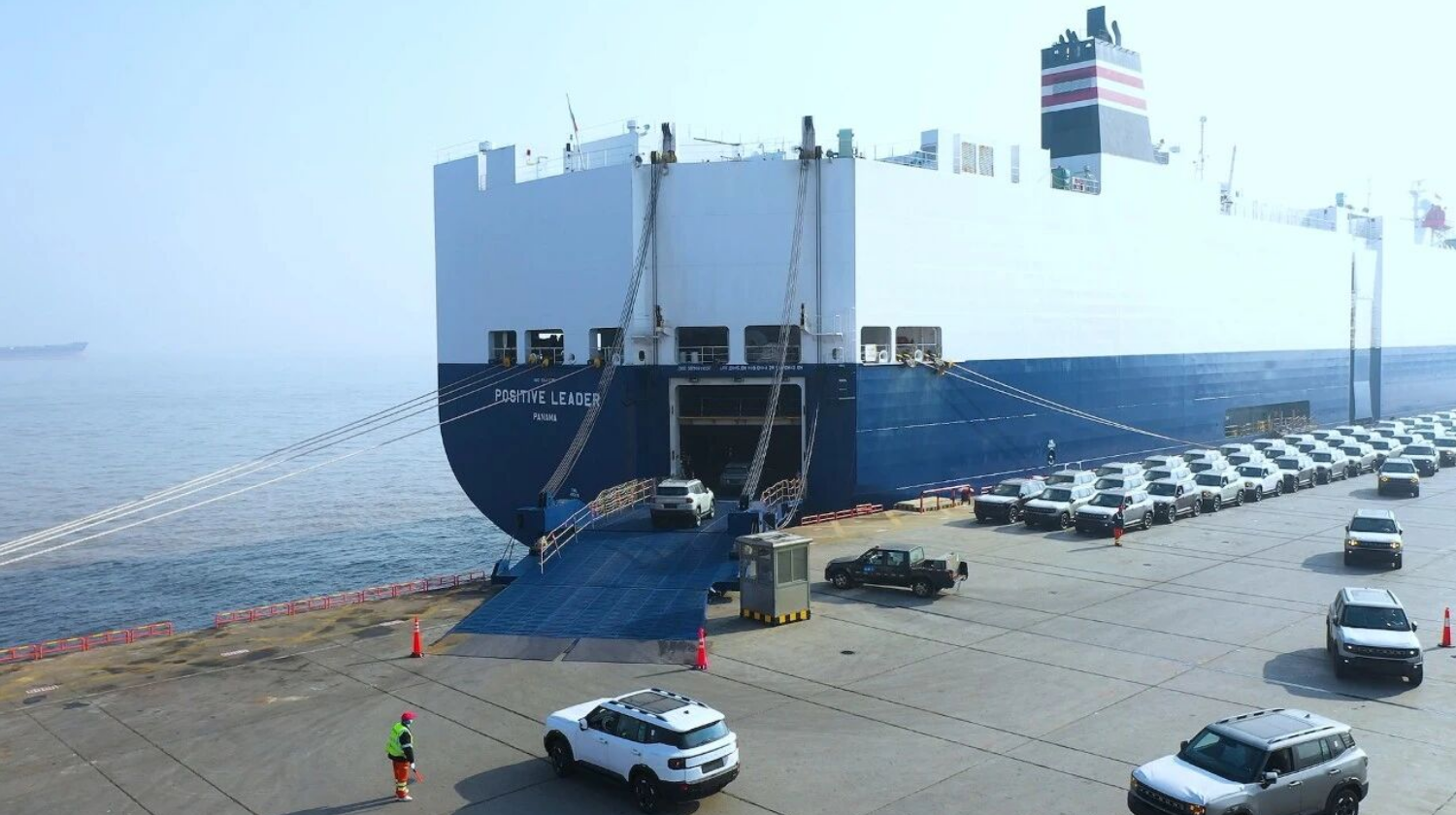
Automotive Research Institute data shows that Chery Automobile remains firmly at the top of Chinese brands in terms of export volume to Europe, with exports in the first quarter of 2026 approaching 110,000 units, a year-on-year increase of 228.4%; SAIC Motor followed closely, with exports of 96,300 units in the first quarter, a year-on-year increase of 36.2%; followed by BYD, with exports of 67,900 units in the first quarter. Leapmotor, relying on its deep cooperation with Stellantis, exported 25,100 units in the first quarter, a year-on-year surge of 400%, showing considerable growth.
According to Automotive Research Institute data, in 2024, Leapmotor's export volume to Europe was only a few thousand units; in 2025, it was nearly 40,000 units, an increase of about 10 times. Entering 2026, Leapmotor's export volume to Europe in a single quarter reached over 60% of the total for the entire year of 2025.
It is worth noting that the growth of Chinese brands is not solely reliant on "low prices" for victory. BYD has launched the high-end sub-brand Denza in Europe; Chery's brand portfolio in the Spanish market has entered the top ten in private channel sales. Foreign media commentary is quite blunt: The Mercedes-Benz EQA starts at just over 50,000 euros, while Chinese brands at the same price point offer significantly higher configurations and range. "Consumers aren't stupid."
In the first quarter of 2026, out of the total 438,400 Chinese automobiles exported to Europe, pure electric and plug-in hybrid accounted for 45.2% and 24.2% respectively, with year-on-year growth of 94.6% and 152.4%. Looking at the growth rate by powertrain type, the growth momentum of plug-in hybrids and range extenders is significantly faster than that of pure electric vehicles – this is precisely the market space left by the EU's previous imposition of tariffs on pure electric vehicles while not yet restricting plug-in hybrids.
In this regard, analysts from the Automotive Research Institute suggest that Chinese automakers should use plug-in hybrid products with long range and price parity with gasoline vehicles as an export edge to bypass the high tariff barriers on pure electric vehicles, while using pure electric models to target markets with low tariffs and high penetration for brand incubation. This suggestion coincides with the view of Zhang Hui, Vice President of NIO, who stated that Chinese automakers exporting to Europe should increase the supply of PHEV and HEV models on top of pure electric vehicles, and bluntly said: "For many Chinese automakers, this does not require additional model development; they just need to provide their existing Chinese models here."
Chinese brands seized this window of opportunity, quickly pushing plug-in hybrid products into the European market and rapidly increasing their share in a short period. From a market share of less than 1% in 2021 to approaching 10% now, the presence of Chinese brands in Europe is no longer what it used to be.
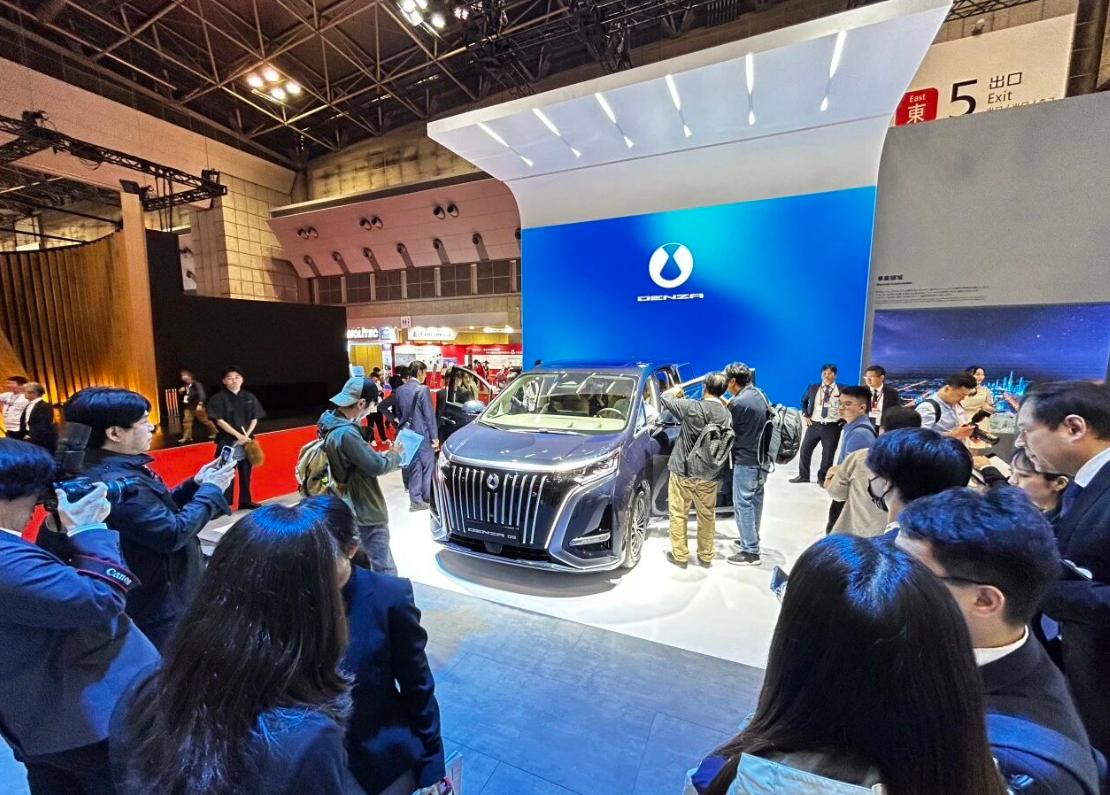
More importantly, this round of growth is not reliant on short-term volume surges from low-priced products – BYD has launched the high-end sub-brand Denza in Europe; Chery's brand portfolio in the Spanish market has entered the top ten in private channel sales. Chinese brands are moving from "selling cars" to "building brands."
Analysts from the Automotive Research Institute state that Chinese automakers exporting to Europe have officially bid farewell to the "era of rough growth" and have begun to enter an era of systematic output characterized by "first selecting tracks for fine operation, then reshaping products for engineering alignment, and finally implementing production capacity for gradient deep cultivation." From the periphery to the mainstream, from testing the waters to deep cultivation – Chinese brands are completing an identity transformation from "intruders" to "participants."
"Shopping Spree" for Localization: How the Contradiction Holds
The higher the tariffs, the stronger the impetus for localized production. This is the underlying logic that makes the contradiction "the higher the wall, the more the cars" hold true.
First, let's calculate the tariff cost. Take a domestic OEM as an example. It is subject to an EU countervailing duty rate of 17.4%, plus the 10% basic tariff, resulting in a combined tax rate of about 27.4%. For a model priced at around 32,000 euros, the tariff cost per vehicle is approximately 8,700 euros. After localized production, this cost can be directly reduced to zero, improving the profit margin per vehicle by about 15% to 20%.
Additionally, the proposed IAA bill is expected to take effect no earlier than mid-2027, meaning Chinese automakers have little time left, with a window period of less than a year. This means that any plan to build a factory from scratch, which would take two to three years to materialize, cannot achieve mass production before the bill takes effect. Therefore, acquiring or leasing existing European factories, completing renovations in the shortest possible time, and starting production has become the only viable option for Chinese automakers.
Consequently, a "shopping spree" for European factories is accelerating. Chery, holding a 40% stake, has formed a joint venture with Spain's Ebro Group to restart the former Nissan Barcelona factory, with production expected to begin by the end of 2026 or the first quarter of 2027, with an initial annual capacity of 30,000 vehicles. Meanwhile, Chery has also signed a Memorandum of Understanding with Nissan to explore contract manufacturing at the Sunderland plant in the UK.
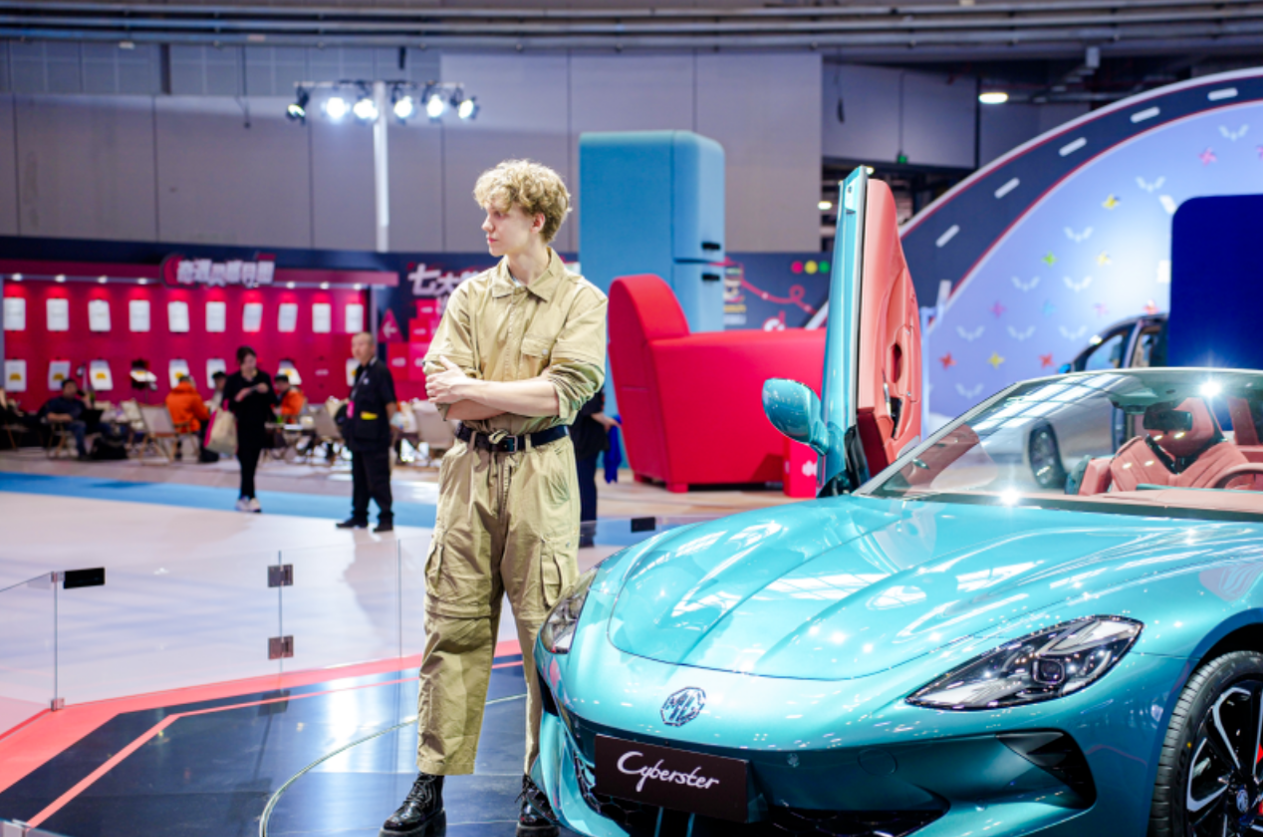
SAIC Motor's MG brand has chosen to build its own vehicle plant in Galicia, Spain, with an initial investment of approximately 200 million euros, a planned annual capacity of 120,000 vehicles, and is expected to start production in 2028. Leapmotor has taken a lighter asset approach, directly leveraging Stellantis' Zaragoza plant in Spain to mass-produce the B10 model starting in October 2026. Additionally, automakers like Geely, Dongfeng, and XPeng are also advancing their European localization plans in Spain, France, Austria, and other locations through methods such as acquiring production lines or contract manufacturing cooperation.
According to a May report from a relevant institution, based on announced and reported agreements, Chinese automakers could ultimately produce over 2 million vehicles annually in Europe. From relying on complete vehicle exports to deploying local manufacturing, Chinese automakers are accelerating this model transformation.
This "shopping spree" is possible not only because Chinese automakers have a strong need for localization but also because European factories have a large amount of idle capacity waiting to be revitalized.
Data shows that the average capacity utilization rate of European vehicle assembly plants is only about 55%, far below the breakeven point of 80%. For example, Stellantis' European factory capacity utilization rate has dropped to 46%. As of December 2024, according to Jefferies statistics, compared to 2019 production levels, Stellantis had about 1.6 million units of unused capacity, while the Volkswagen Group had 800,000 units more than Stellantis. In the past year alone, the Audi Brussels plant, the Nissan Barcelona plant, and the Ford Saarlouis plant in Germany have successively announced closures or production halts.
With long-term overcapacity, fixed costs such as equipment depreciation and daily maintenance do not decrease with reduced production volume; idle capacity generates losses every day. For European automakers, cooperating with Chinese automakers is a realistic way to revitalize assets and preserve jobs. As an industry observer noted, this is not a one-sided "invasion" but a two-way street.

Furthermore, due to lagging battery technology and higher raw material costs, the manufacturing cost of electric vehicles in Europe is at least 30% higher than in China – a gap that is difficult to bridge in the short term. Chinese automakers, bringing technology and capital into Europe, are essentially using "Chinese efficiency" to activate "European production capacity."
From another perspective, the EU's push for localization is not entirely defensive. Through shareholding ratio restrictions and local content requirements, the EU is trying to maintain dominance over the industry while attracting Chinese investment.
This is a game: Chinese automakers use localized production to circumvent tariff barriers, while the EU uses rules to lock in local employment and technology retention. Both sides get what they need, yet remain wary of each other.
Conclusion
Apart from imposing countervailing duties on Chinese pure electric vehicles, the EU's countervailing duties on Chinese-made plug-in hybrid vehicles are now on the verge of being implemented, yet the sales volume and market share of Chinese brands in the European market continue to rise. The two seem contradictory, but in fact, they annotate each other – the higher the tariffs, the more they force Chinese automakers to accelerate their localization布局.
Once localized production is rolled out, the growth in market share will no longer rely solely on cost-effective volume surges but will have genuine production capacity support. This transformation from "exporting" to "manufacturing" is reshaping the underlying logic of Chinese automakers going global.
As Wu Mei, General Manager of Joyson Electronics Europe, stated, physical production capacity landing is just the beginning. For Chinese automakers, the real challenge lies in whether they can establish "predictable" trust in Europe – from aligning engineering languages and improving decision-making speed to reliably fulfilling commitments. Walls can be bypassed, but building trust has no shortcuts.
Comments
0 comments