
CATL launches an online store to sell energy storage cells
On 26 June, CATL officially launched its online direct sales platform, "CATL Mall", targeting small and medium-sized energy storage integrators with fragmented, small-batch procurement needs.
Currently, the platform offers three mainstream energy storage battery cells: 100Ah, 280Ah (1P), and 314Ah, with a minimum order of just three boxes. This lowers the entry barrier for smaller customers, breaking away from the traditional supply model where top battery manufacturers prioritise large orders and major clients.
This move appears to be a minor channel adjustment, but it is actually a strategic move by CATL to address structural changes in the energy storage market. It aims to capture fragmented orders and consolidate scattered demand, while also impacting the distribution system and the survival environment of smaller players in the industry.
Direct Sales Open Up Original Supply for Small Orders
With the rapid expansion of the energy storage sector, a surge in distributed household storage, small commercial and industrial storage, and small-scale photovoltaic storage projects has created many small system integrators. These firms often have scattered projects and low demand per order, making it difficult to meet the volume requirements for traditional offline contracts with major battery manufacturers, leaving them in a weak purchasing position.
Under the old supply system, top battery manufacturers prioritised GWh-level long-term contracts for major clients. Small integrators often had to purchase CATL cells through intermediaries, leading to higher costs, variable quality (including refurbished or substandard cells), and unreliable supply during tight periods.

The CATL Mall's three-box minimum order directly addresses these issues. Small integrators can now select, order, and complete transactions directly with the manufacturer, eliminating intermediaries and ensuring transparent pricing. All products are genuine CATL cells with verifiable parameters and warranties. The standardised online process provides real-time order tracking and delivery guarantees, even for small orders.
From a business perspective, this digital approach reduces the cost of handling small, fragmented orders, activates flexible production capacity, and turns low-volume demand into stable incremental growth, filling a gap in the traditional sales system.
Channel Adjustment Hides Industry Competition
CATL's move into direct online sales of energy storage cells is set to reshape the distribution ecosystem in the medium to long term, with both positive and negative impacts.
For traditional battery traders, pressure will increase. Previously, they profited from information asymmetry and price differences. Now, with the manufacturer directly serving smaller clients, the premium on fragmented orders is squeezed. This will force traders to转型 towards value-added services like warehousing, integrated solution design, and project maintenance.
For the broader energy storage sector, lowering the procurement threshold means more small integrators can reliably access top-tier cells. This slightly loosens industry entry barriers, intensifying competition in the distributed storage market. While major integrators retain advantages through long-term contracts and cost efficiencies, smaller firms are no longer constrained by cell supply, enabling them to compete flexibly in smaller projects, creating a more diverse market structure.
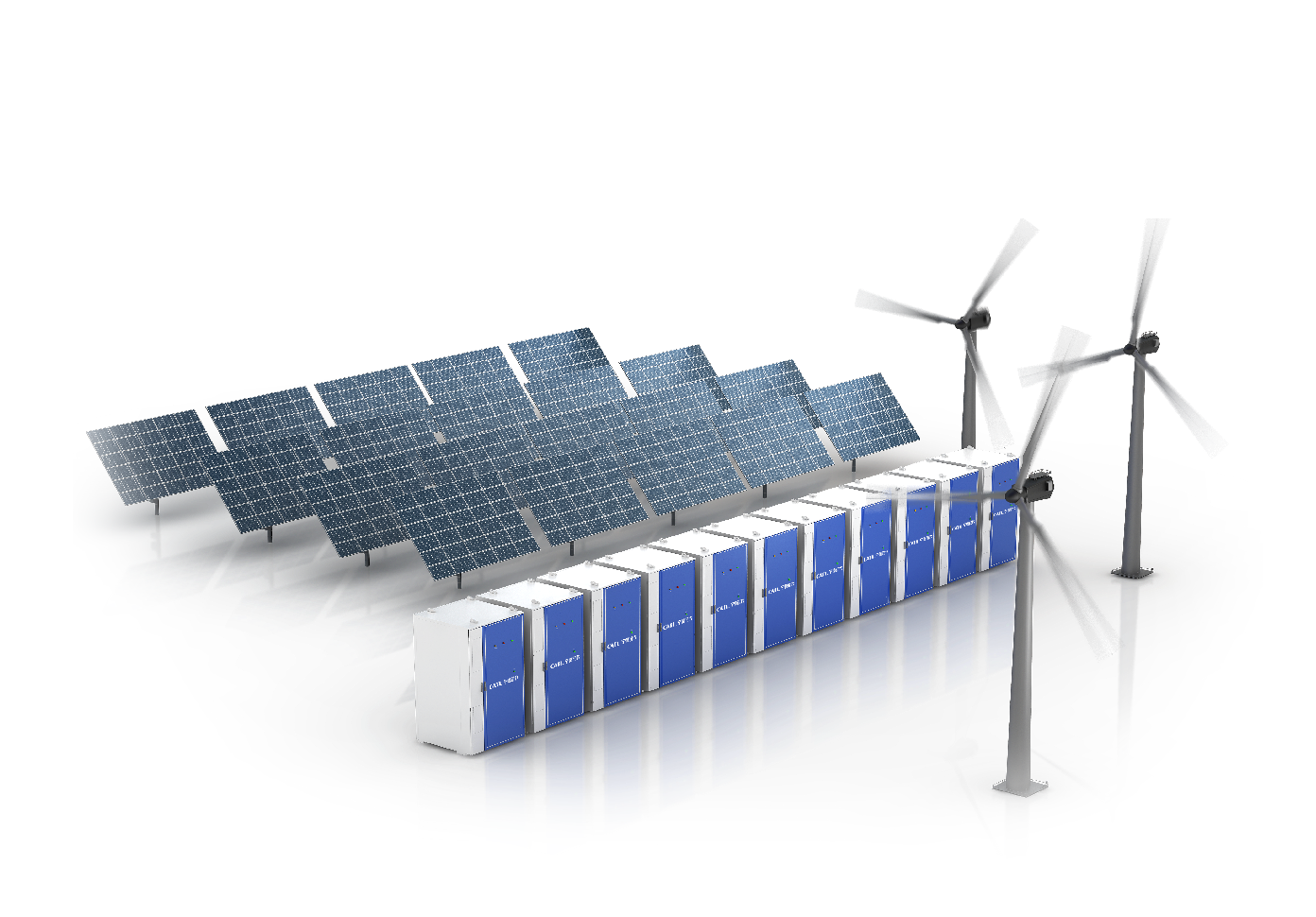
However, the model's limitations should be noted. Currently, the mall only offers three general-purpose cells, and online small-batch pricing naturally differs from large-client contract prices, so it won't disrupt CATL's core customer relationships. The online channel is a supplementary channel for fragmented, long-tail demand, while the company's main supply focus remains on large-scale storage projects and major overseas orders. The two channels complement each other rather than replace one another.
Supply-demand cycles will also constrain the platform's expansion. If cells become scarce again, production priority will shift back to large orders, potentially affecting online supply and delivery times, creating uncertainty in scaling the platform.
Looking at the longer-term industry cycle, this channel adjustment has significant knock-on effects: traditional intermediaries must重构 their profit models, small integrators gain a fairer supply chain environment, and competition in the storage industry shifts from securing cell supply to comprehensive competition in solution design, project implementation, and maintenance services.
The long-term value of CATL's online channel will depend on its ability to expand product categories, flexibly adjust pricing, and balance the interests of small and large clients.
Overall, this is not a disruptive channel revolution but an optimisation and upgrade in the efficiency of supply-demand matching within the industry chain. In a slowing, increasingly competitive energy storage market, fine-tuning supply models across multiple channels to cover different customer sizes is both a necessary response to market changes and a proactive move to solidify market share and industry leadership.
Comments
0 comments