
Dreame terminates car-making commercialisation, shifts to R&D institute model to focus on four core businesses
In June 2026, Dreame Technology formally advanced the optimisation of its business structure and development strategy, clearly terminating the large-scale commercialisation plans for its new energy vehicle and smartphone businesses. These cross-sector ventures will no longer establish independent operational teams, nor will they proceed with mass production planning, offline channel development, or C-end sales. Instead, they will be integrated into the company's Industrial Research Institute system for management. Following this adjustment, the automotive and smartphone divisions will only be responsible for fundamental technology research and frontier technology reserves. Technical achievements accumulated during the R&D process, such as motor control and smart cockpit technologies, will be fed back into the core business to empower the upgrade of existing home appliances and smart hardware products.
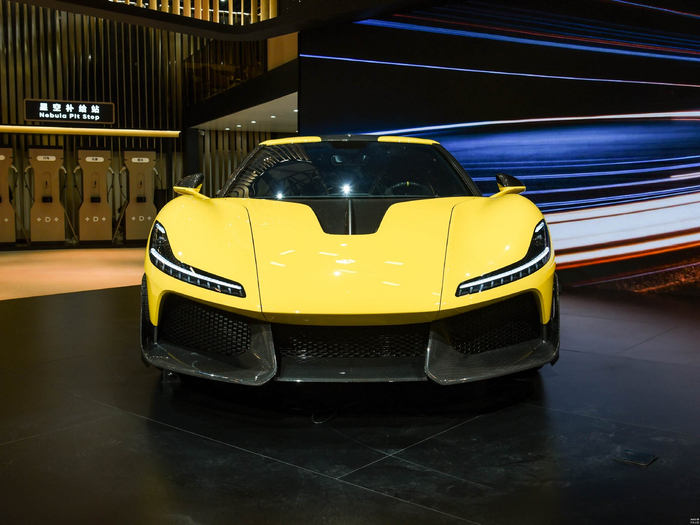
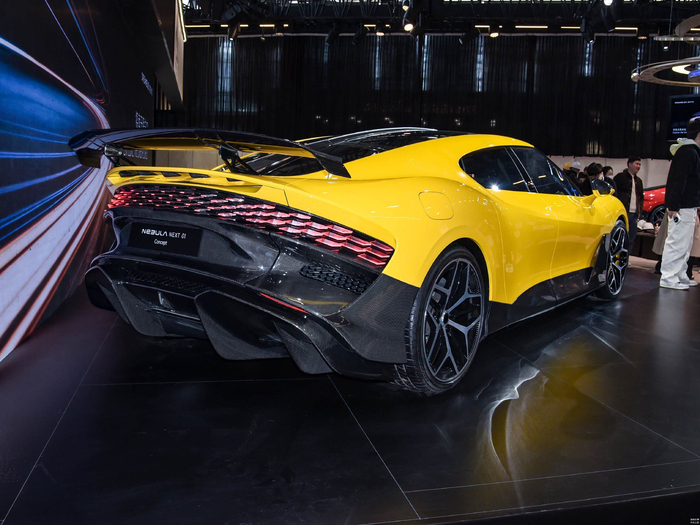
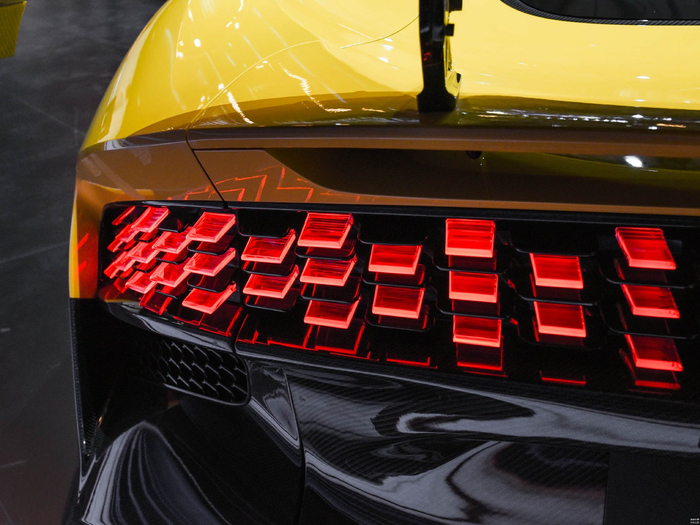
In response to external rumours about the suspension of its car-making business, a Dreame Technology executive in charge of automotive-related operations stated that car-making is progressing as normal, but with a focus on overseas markets. This statement complements the internal decision to halt heavy-asset vehicle manufacturing, supply chain integration, and after-sales system construction in China, indicating that the company has retained a technology validation window in specific overseas markets while completely abandoning the heavy-asset expansion path that replicates new energy vehicle startups in the domestic market. Previously, Dreame had grandly unveiled the Nebula NEXT 01 JET Edition concept car, positioned as a rival to the Bugatti Veyron. However, the commercialisation process of this project has now effectively been put on hold.
This strategic contraction has been accompanied by a systematic restructuring of the organisational framework. Dreame has conducted a comprehensive review of its over 200 business units, cancelling project allocations for those that had not been practically implemented. The staff optimisation ratio stands at approximately 12%, higher than the usual mid-year performance review elimination rate. Affected employees have received compensation packages ranging from 0.5 to N+1 months' salary. Employees in reusable functions such as finance and legal, as well as R&D and sales personnel, can transfer to core business departments through an internal mobility mechanism. The visibility of the group's internal Feishu (Lark) group member count has been set to hidden, signalling a clear intent to streamline the organisation.
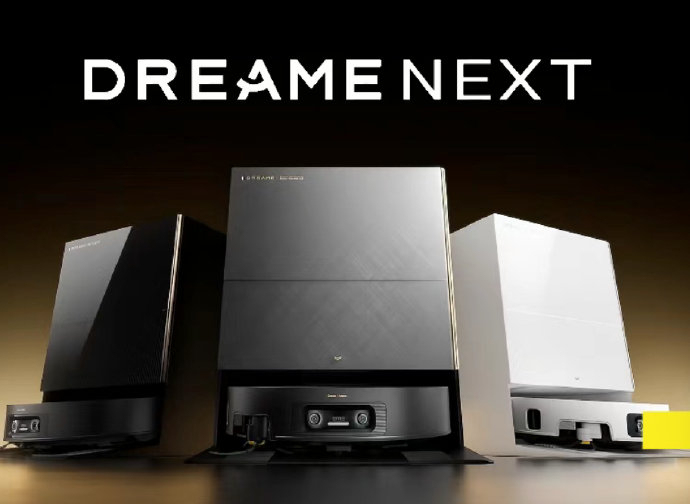
After reallocating resources, Dreame has refocused its operational priorities on four core tracks: smart cleaning, whole-home appliances, smart mobility, and embodied intelligence. These four tracks all leverage the company's technological expertise in high-speed motors, intelligent algorithms, and automated hardware R&D, boasting mature product portfolios and stable market channels. In the first quarter of 2026, Dreame's robotic vacuum cleaners achieved the top global ranking in both sales volume and revenue. By May, cumulative shipments of its floor washing machines had exceeded 10 million units. From January to May, sales of its robotic lawnmowers grew by 240% quarter-on-quarter. In China, sales of its hair dryers surged by 506% year-on-year in May. Overseas revenue has consistently accounted for 80% of total revenue, with products covering over 120 countries and regions worldwide.
In addition to automotive and smartphones, non-core businesses lacking technological synergy—such as trendy toys, bubble tea, snacks, real estate agencies, and apparel and cosmetics—have been directly shut down or phased out. The mass production plan for smart swimming goggles has been postponed. The drone business has been either integrated into the research institute or discontinued as an independent venture. High-investment, long-cycle projects like chips have also been transferred to the Industrial Research Institute and will no longer pursue independent commercialisation. In May 2026, the company stopped allocating funds to all business divisions, requiring each unit to secure its own financing and operate on a self-sustaining basis. Projects unable to achieve self-sufficiency face direct closure.
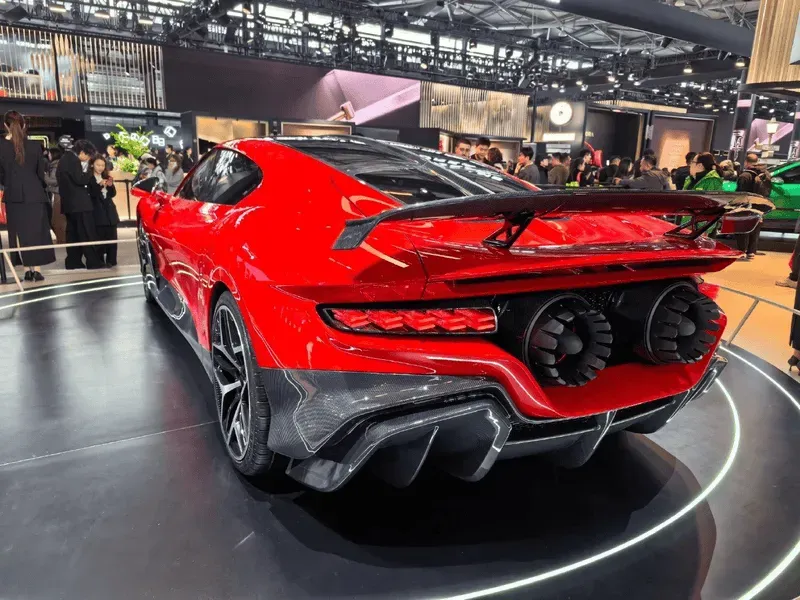
Tech companies venturing into car-making face significant practical barriers, including substantial capital requirements, long return cycles, and high supply chain integration challenges. Dreame's shift from diversified cross-sector expansion to focusing on its core business reflects a change in operational logic within the consumer technology industry as incremental growth space narrows. Divesting non-core loss-making businesses, improving financial statement transparency, and enhancing profit margins are also necessary steps for the company to rationalise its valuation logic during the Pre-IPO phase and demonstrate sustainable profitability to the capital market. The Industrial Research Institute will continue to conduct frontier automotive technology R&D, but all technological outputs will be aimed at empowering the core business, rather than independently creating new consumer terminal markets.
Comments
0 comments