
370 Million Existing Vehicles: A New 'Gold Mine' for Auto Consumption
"With the slowdown in new car growth, we need to find incremental opportunities in 'car usage'."
Following the release of two policy documents by the Ministry of Commerce, Lang Xuehong, Deputy Secretary-General of the China Automobile Dealers Association, told Automotive News that as the automotive industry enters a stock phase, the growth rate of new car production and sales is gradually converging. Relying solely on new cars to drive growth is becoming increasingly narrow. "Tapping into the service demand during the vehicle usage cycle is the feasible path to stabilize the domestic demand base and achieve long-term consumption expansion."
On June 23, the Ministry of Commerce, together with multiple departments, released two documents on the same day: one designated 40 pilot cities for automotive circulation and consumption reform by eight departments, and the other introduced 17 measures by nine departments focusing on six major areas: car modification, RV camping, classic cars, maintenance and insurance, automotive events, and car rental.
The policies are sequential: the first addresses "how to replace and circulate cars," while the second tackles "how to use and maintain cars."
In Lang Xuehong's view, this combination punch signifies that China's automotive consumption is shifting from a "one-time transaction" to "full lifecycle services."
40 Pilot Cities Implemented to Facilitate Used Car Circulation
First, look at the 40-city circulation reform pilot by the eight departments. According to the Ministry of Commerce's requirements, this pilot implements a "one city, one policy" approach, meaning each region determines its main focus based on its automotive industry foundation, consumption scale, and geographical advantages, avoiding a one-size-fits-all approach.
Five major directions are clear: optimize purchase restrictions and traffic limitations to unlock new energy vehicle consumption space in large cities; remove hidden barriers to cross-regional used car circulation and simplify transfer procedures; improve the scrappage incentive mechanism for old cars and standardize scrappage recycling and battery cascade utilization; promote the integration of automotive consumption with cultural tourism and sports; pilot supporting businesses such as intelligent connected vehicles, car rental, and events.
Why make such significant changes in the circulation link? The root cause is: if old cars cannot be sold, new cars are also affected.
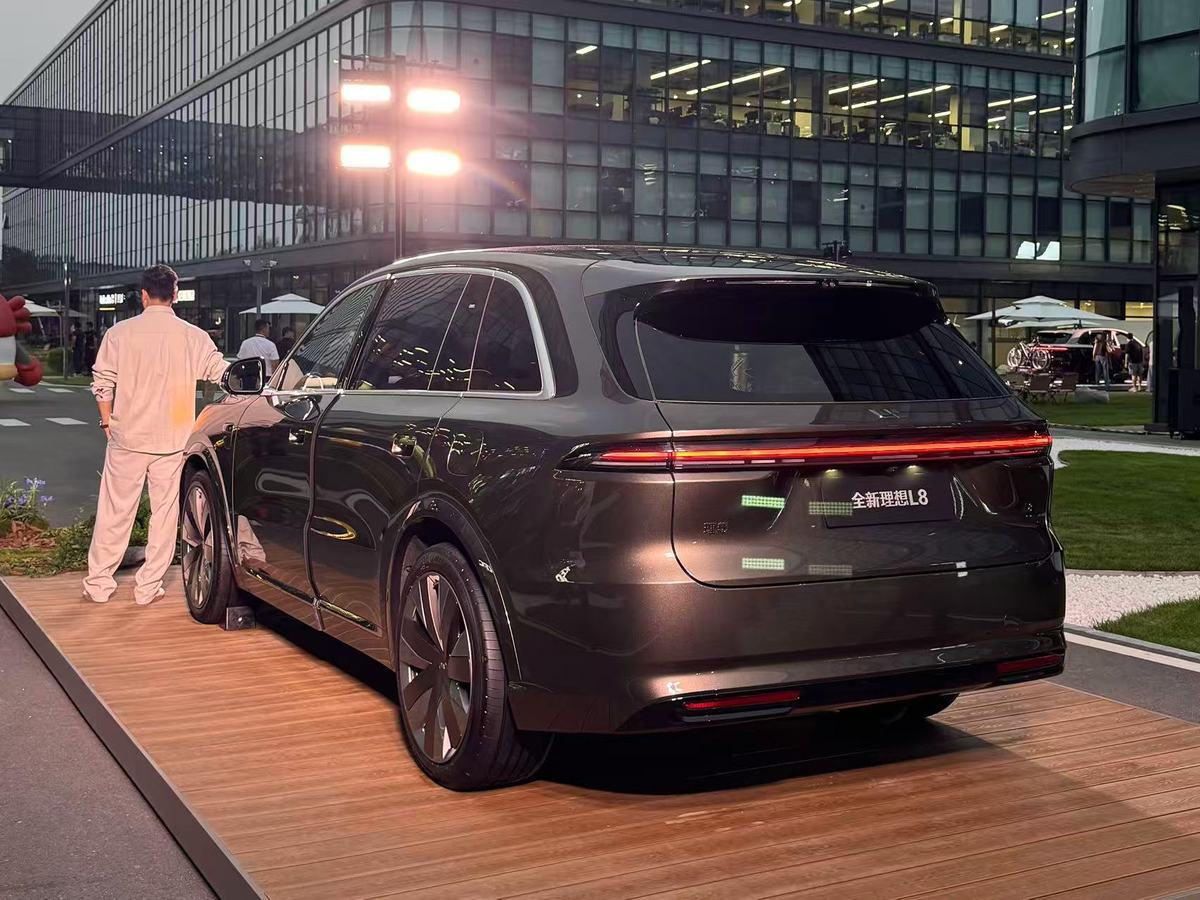
Sheng Qiuping, Vice Minister of the Ministry of Commerce, introduced in June that, to date, China's car ownership has reached 370 million vehicles, with ownership per thousand people rising to around 378. Car sales have ranked first globally for 17 consecutive years, making China a true automotive powerhouse. However, this also means the Chinese car market has entered a stock-dominated phase—most buyers are those replacing cars.
Over the past decade or so, measures like purchase tax reductions, local car purchase vouchers, and trade-in subsidies have been rolled out repeatedly. While they can boost sales in the short term, the side effects are significant: once policies are withdrawn, demand is prematurely exhausted, especially in the new energy vehicle market. More importantly, these stimulus measures focus on the "buying new cars" link, failing to truly resolve the long-standing issues of sluggish trade-ins and poor circulation in the used car market.
Sales data serves as evidence: combined with the impact of the 2026 new energy vehicle purchase tax halving policy, domestic passenger car retail sales in the first five months fell by 6.2% year-on-year to 10.31 million units. Among them, new energy passenger car sales during the same period saw a 19.7% decline. The effect of relying on subsidies to force growth is increasingly weak.
To stabilize the automotive industry, stimulating the used car market has become necessary. Let's do the math: with 370 million existing vehicles, even if only 5% of owners replace their cars this year, that's nearly 20 million units of new demand. If this incremental demand is released, it could support most of China's car market.
However, the reality is that most people find it difficult to trade in their old cars.
Based on information from multiple sources, although the state has long issued documents to cancel national restrictions on used car transfers, many cities have found alternative ways to impose restrictions, such as through emission standards or hidden transfer thresholds. The selling process is even more troublesome, with issues like opaque vehicle condition information, odometer tampering, and concealment of accident vehicles. Meanwhile, different institutions have inconsistent standards for used car inspections, and the transfer procedures are complex.

Consumers fear being cheated when selling or buying cars, leading to low activity in the used car market. Data from the China Automobile Dealers Association shows that in 2025, domestic used car transactions were less than 70% of new car sales. In contrast, the ratio in the United States has long exceeded 230%, meaning two used cars are sold for every new car.
Lang Xuehong's assessment is straightforward: "Reforms that are difficult to implement quickly at the national level can be tested first in pilot cities. Once replicable experience is gained, it can be promoted nationwide, significantly reducing the cost of institutional trial and error."
For example, once used car circulation is smooth, the most direct impact is stimulating trade-in demand, which then translates into new car orders. This will be the most immediate short-term effect for pilot cities. In the medium to long term, the policy aims to build a complete chain of "new car sales—used car circulation—old car scrappage and recycling," turning the stock cycle into an endogenous driver of the Chinese car market, rather than relying on policy support.
Six Major Tracks Opened to Transform the Aftermarket from Fragmented to Standardized
If the 40-city pilot addresses "how cars circulate," then the 17 measures from the nine departments answer "how cars are used."
The current state of the domestic automotive aftermarket can be summed up in three words: large, chaotic, and suppressed. With 370 million existing vehicles, the corresponding market space is measured in trillions. However, specific niche demands like personalized modification, RV travel, and classic car collection are suppressed by policy bottlenecks and industry chaos, making them difficult to release.
In contrast, in mature markets like Europe and the US, aftermarket revenue typically accounts for over 50% of the automotive industry's total, meaning the business after selling the car is bigger than selling the car itself. In China, most consumption is still concentrated on basic maintenance like oil changes, tire replacements, and bumper repairs. Personalized, cultural, and experiential consumption volumes are small and not yet significant.

The 17 measures precisely target six tracks to improve the current situation.
For the modification market, the policy clarifies two things: clearly defining the compliance boundaries and listing compliant modifications; streamlining the filing process and clarifying the path for change registration. It also proposes establishing a national automotive standardization technical committee for car modification to accelerate the formulation of national standards. Safety red lines remain unchanged, but personalized needs have an outlet. Lang Xuehong believes, "Relaxing modification restrictions can release more market demand."
For RV camping, there are three bottlenecks: inconsistent registration standards across regions, many restrictions on road access, and severely inadequate campsite facilities. This policy streamlines registration and traffic rules, simplifies land approval for campsites, and requires public parking lots to provide RV parking spaces and supply facilities.
For classic cars, the policy clarifies identification standards, inspection rules, road access conditions, and circulation norms. It also encourages auctions, exhibitions, collections, and vintage events, and lays out plans for parts reproduction and vehicle restoration industries. Essentially, this transforms old cars from a "gray area" into "circulable cultural assets."
In terms of maintenance and insurance, the most common pain points for car owners are: whether parts are original, how labor costs are calculated, and whether there is excessive repair. The policy requires transparency in repair technical information, traceability of parts, and measures to combat excessive maintenance and fraudulent repairs. On the insurance side, it explores a vehicle-battery separation model, with the core goal being transparency.
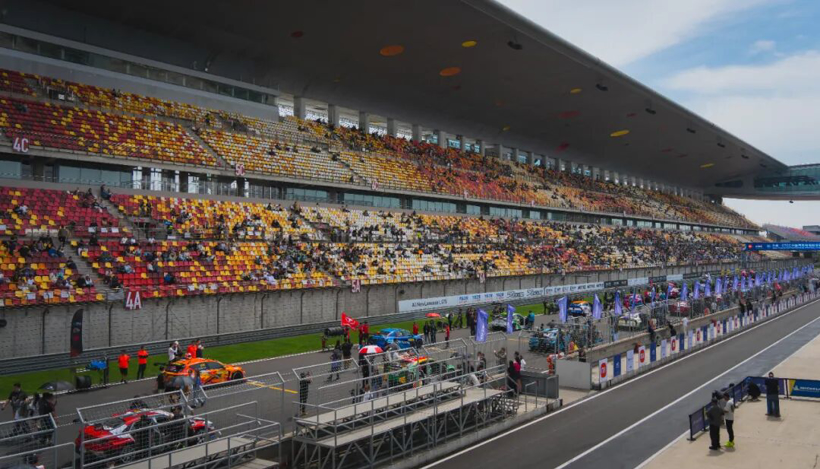
For automotive events, the policy proposes simplifying event approval procedures, building a multi-tiered event system, and promoting the integration of "events + cultural tourism," effectively lowering the barrier to hosting events and providing a clear commercial path for the event economy.
Car rental is a track particularly emphasized by Lang Xuehong. She stated that rental companies need financial support for fleet expansion and vehicle renewal, and the policy provides support through interest subsidies. "As rental companies expand their fleets and accelerate renewal, there will be more new car purchases, which can supplement the weak demand for private car purchases."
The common logic behind the six major tracks is to deconstruct "car usage" from a single transportation need into diverse consumption scenarios: personalized, leisure-oriented, cultural, and competitive. Each time a scenario is deconstructed, the industrial chain extends deeper, and the boundaries of consumption broaden.
As new car growth enters a stable range, a standardized automotive aftermarket will become one of the most important sources of incremental growth for vehicle manufacturers, parts suppliers, and service providers. Those who position themselves first will get the biggest slice of the pie.
Two-Way Linkage Between Circulation and Aftermarket
The simultaneous release of the two policies on the same day reflects a coordinated top-level design.
The 40-city circulation pilot addresses the physical lifecycle flow of vehicles: from new car purchase, use, and trade-in, to used car circulation, and finally to scrappage and recycling, forming a complete physical cycle. The 17 aftermarket measures address value extraction during vehicle use: modification, camping, events, and rental. These consumption behaviors run through the entire vehicle usage cycle, forming a service-level consumption loop.
Combined, they build a new chain of automotive consumption: "buying cars—replacing cars—using cars—enjoying cars." Lang Xuehong believes that among the five major directions of the pilot, car rental, RV camping, and automotive events form a two-way linkage with the 17 aftermarket measures. Pilot cities take the lead in testing, providing scenarios and policy support for aftermarket implementation; the aftermarket measures, in turn, enrich the business formats of the pilot, acting as mutual amplifiers.
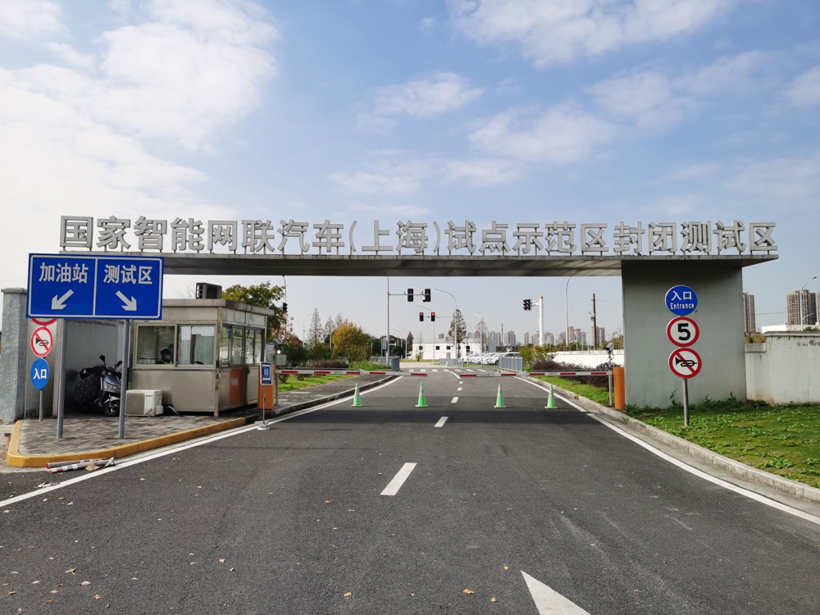
Moreover, the coverage of the 40-city pilot is broader than the 17 aftermarket measures. Besides overlapping areas like rental, events, and camping, the pilot also involves extended fields such as vehicle scrappage and dismantling, promotion of intelligent connected vehicles, and optimization of policies in cities with purchase restrictions. These contents do not have direct corresponding entries in the aftermarket document but can be explored first in pilot cities.
Taking automotive events as an example, the pilot encourages the integration of events and cultural tourism, while the aftermarket policy simultaneously simplifies approval procedures. With dual policy support, the institutional cost of a grassroots off-road race, from venue approval to event operation and cultural tourism引流, is significantly reduced. The same applies to RV camping: the pilot simplifies land approval, and the policy complements supporting standards, transforming RVs from "affordable to buy but not to use" into "affordable to buy, use, and enjoy."
Deeper industrial transformation is reflected in two "unblockings."
First, unblocking stock and increment. Poor used car circulation and low willingness to trade in old cars directly drag down new car sales. The pilot breaks through barriers to used car transactions, allowing existing vehicles to flow. This flow generates trade-in demand, which translates into new car orders. This is one of the most effective ways to drive incremental growth in a stock market.
Second, unblocking basic consumption and derivative consumption. In the past, a car's contribution to the economy was mainly concentrated at the moment of purchase. After the aftermarket policy opens up derivative scenarios like modification, events, and camping, a car generates continuous consumption throughout its lifecycle, including modification parts, event tickets, campsite fees, and rental services. The car transforms from a one-time transaction commodity into a consumption vehicle that continuously creates value throughout its lifecycle.
Based on this, it's easy to conclude: in the past, industry competition focused more on the speed of new car launches and price advantages. In the future, the core of industry competition will shift to long-term user retention and deep operational service capabilities.
Restructuring the Logic of Competition: From Selling Cars to Operations
The profound value of this policy combination lies not in short-term sales boosts, but in influencing the competitive logic of China's automotive industry, pushing the entire sector from a single focus on sales volume to full lifecycle user value operations.
Over the past decade, the involution in the domestic automotive industry has centered on new car pricing and feature stacking. Vehicle manufacturers' revenue relies on new car price differences, with profits continuously compressed by price wars. Dealers are tied to the gross profit from new car sales, making them weak against cyclical fluctuations. The aftermarket has long been in a fragmented, scattered, and chaotic state, lacking standardized systems and brand competitiveness. This model, dependent on new car increments, has reached its growth ceiling as the market enters the stock era.
The implementation of the dual policies opens a new path for the industry.
The opportunity for vehicle manufacturers lies in breaking away from the old logic of "selling the car is the end." They can layout official used car programs to lock in the circulation value within the user's replacement cycle; launch original equipment manufacturer (OEM) compliant modification product lines to bring modifications from the gray area into the official system; and develop dedicated RV travel models to tap into new travel consumption scenarios. By combining these three directions, secondary and tertiary consumption from existing users can become new profit sources, offsetting the profit erosion from new car price wars.

Dealer groups must bid farewell to a single business model overly reliant on new car sales. Combining businesses like used car transactions, compliant modification shops, short and long-term rentals, camping support, and chain maintenance can smooth out the cyclical fluctuations of new car sales. If a dealer can compensate for a 20% decline in new car profits with a 15% profit contribution from aftermarket businesses, they gain the confidence to weather the cycle.
The key words for aftermarket service providers are standardization, chain operation, and branding. By entering niche tracks like compliant modification, precision maintenance, classic car restoration, event operation, and campsite operation within the policy framework, they can build user trust and brand barriers through standardized services.
Local governments also have opportunities. They can leverage pilot policies to create distinctive industrial labels, such as building event industry parks, camping clusters, or classic car cultural districts, fostering the integration of automotive consumption with cultural tourism and sports. This is both consumption expansion and a city business card.

Of course, challenges also exist. Standardization of the aftermarket means rising compliance costs, and small modification shops and repair workshops that rely on the gray area will face elimination. Dealer transformation requires upfront investment, and areas like used car inspection and certification systems, modification bay construction, and rental fleet procurement all involve capital and talent reserves. Vehicle manufacturers laying out official modifications and classic car reproduction need to restructure product R&D and supply chain support, which is difficult to achieve quickly in the short term.
From an industry perspective, the policies primarily open up development space; specific business models still need to be explored and implemented by market entities themselves. Participants who successfully pioneer the path can seize first-mover advantages, while those who merely wait and see risk missing the window of opportunity.
As the automotive industry enters the aftermarket era, new cars will only be the entry point, and the existing stock will be the true source of value. Completing the shift from a "car-selling mindset" to a "user operation mindset" is key for industry chain entities to stand firm in the next stage of competition.
For every participant in the industry chain, this is both a policy dividend window and a signal forcing transformation. Escaping the price involution of new cars and focusing on circulation operations, aftermarket services, and full lifecycle user management is the true barrier to weathering the cycle.
Comments
0 comments