
Mercedes-Benz layoffs in China spread to R&D and manufacturing as global AI cost-cutting begins
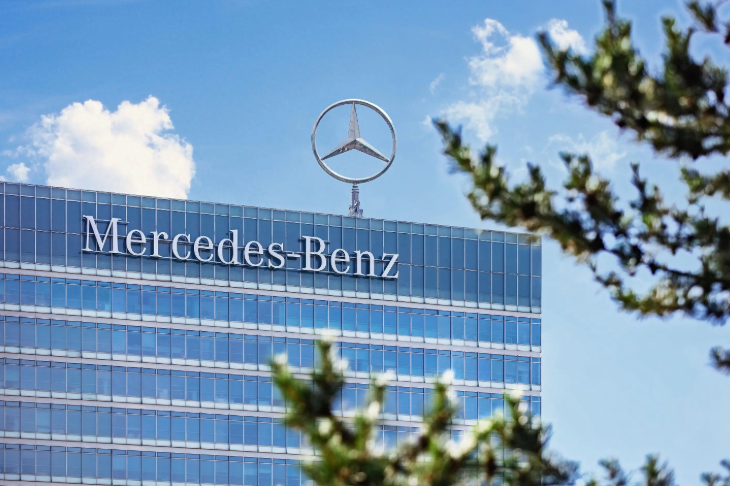
On June 25, according to domestic media reports, Mercedes-Benz's workforce optimization in the Chinese market has extended from front-office departments such as sales and finance to its R&D and manufacturing systems. Beijing Benz Sales Service Company plans to reduce its headcount from 900 to fewer than 600 through two rounds of adjustments, with the current implementation rate at approximately 10% and a compensation standard of N+6. The R&D system is expected to see a layoff ratio of around 10%, affecting approximately 2,000 R&D personnel in Beijing and Shanghai. Adjustment methods include non-renewal of contracts upon expiration, business contraction, and staffing restructuring, with compensation ranging from N to N+9. On the manufacturing side, significant personnel turnover has occurred since 2025, with over 2,000 employees leaving Beijing Benz in 2024, covering departments such as production, logistics, planning, and R&D. Recently, the factory has also inquired about voluntary resignation intentions among regular employees, with some negotiated severance packages at N+1.
Changes in production pace directly reflect terminal pressure. Affected by reduced output, the engine department at Beijing Benz's Yizhuang factory took consecutive holidays for over ten days in April this year, and the Dragon Boat Festival holiday was extended to five days. Employee benefits have also been scaled back, with gym partnership benefits canceled from 2025 onward, and the R&D team experiencing increased overtime frequency without additional staffing. Official data shows that Mercedes-Benz passenger car sales in China reached 683,600 units in 2024, a year-on-year decrease of 7%; this fell to 551,900 units in 2025, down 19% year-on-year; and the decline widened to 27% in the first quarter of 2026. Mercedes-Benz has set its 2026 annual sales target for China at 500,000 to 600,000 units, defining this year as a transitional period for the Chinese market.
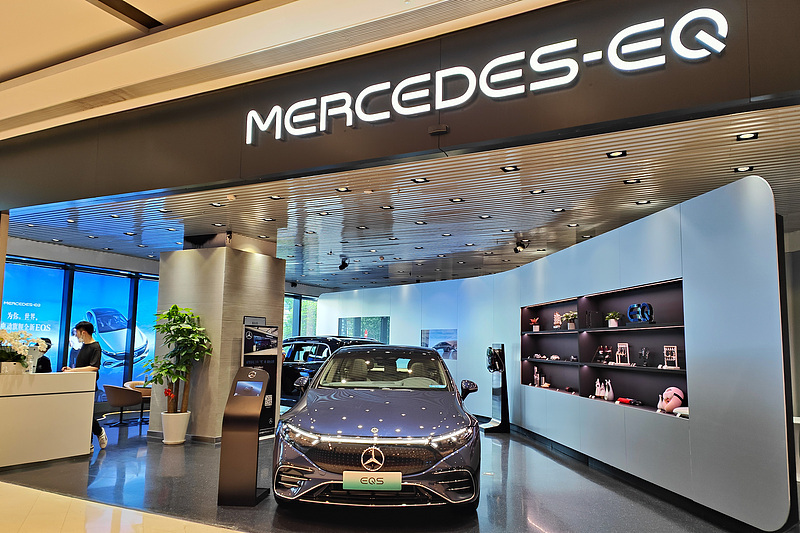
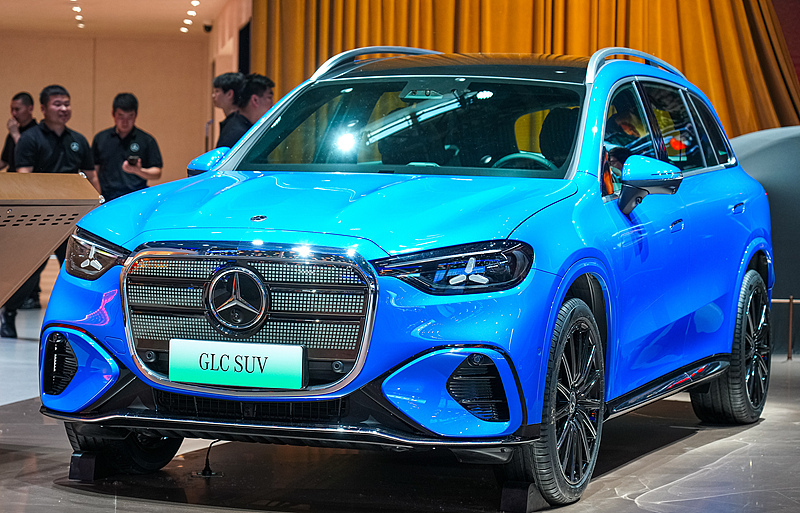
On the product front, the official price of the all-electric CLA based on the MMA platform has been lowered to 229,000 yuan. Although it is equipped with the Momenta assisted driving system, terminal sales in May this year were only 161 units. The upcoming all-electric GLC SUV has a pre-sale price of 349,500 yuan, lower than the official guide price of the fuel-powered GLC, aiming to enter the mainstream new energy SUV market priced between 300,000 and 400,000 yuan. This price range is crowded with brands such as Li Auto, AITO, NIO, XPeng, Xiaomi, Zeekr, and Tesla, where competitors have already established differentiated advantages in smart cockpits, advanced autonomous driving, and charging experiences. McKinsey research shows that among Chinese high-end electric vehicle consumers, the importance score for technology delivery capability in purchase decisions reaches 61%, while brand heritage accounts for 28%, indicating a shift in the premium support logic of traditional luxury brands.
Globally, Mercedes-Benz Group's Head of Human Resources, Britta Seeger, has confirmed that formal negotiations will begin with German union representatives to discuss additional cost-reduction measures. This plan runs parallel to the current labor agreement, which is valid until 2034 and stipulates that German factories cannot enforce compulsory layoffs, with reductions currently achieved only through natural attrition and voluntary departures. Artificial intelligence has been established as a core efficiency tool. Eighteen months ago, the daily usage rate of AI tools within Mercedes-Benz was 30%; it has now risen to 60%, with a target of 70% by the end of 2026. Seeger stated that AI is used to optimize workflows and improve production efficiency, rather than simply cutting jobs. In the first quarter of 2026, Mercedes-Benz's automotive business profit margin was 4.1%, down 3.2 percentage points from 7.3% in the same period last year.
Comments
0 comments